Finding the best dog parks near me: a practical local search guide
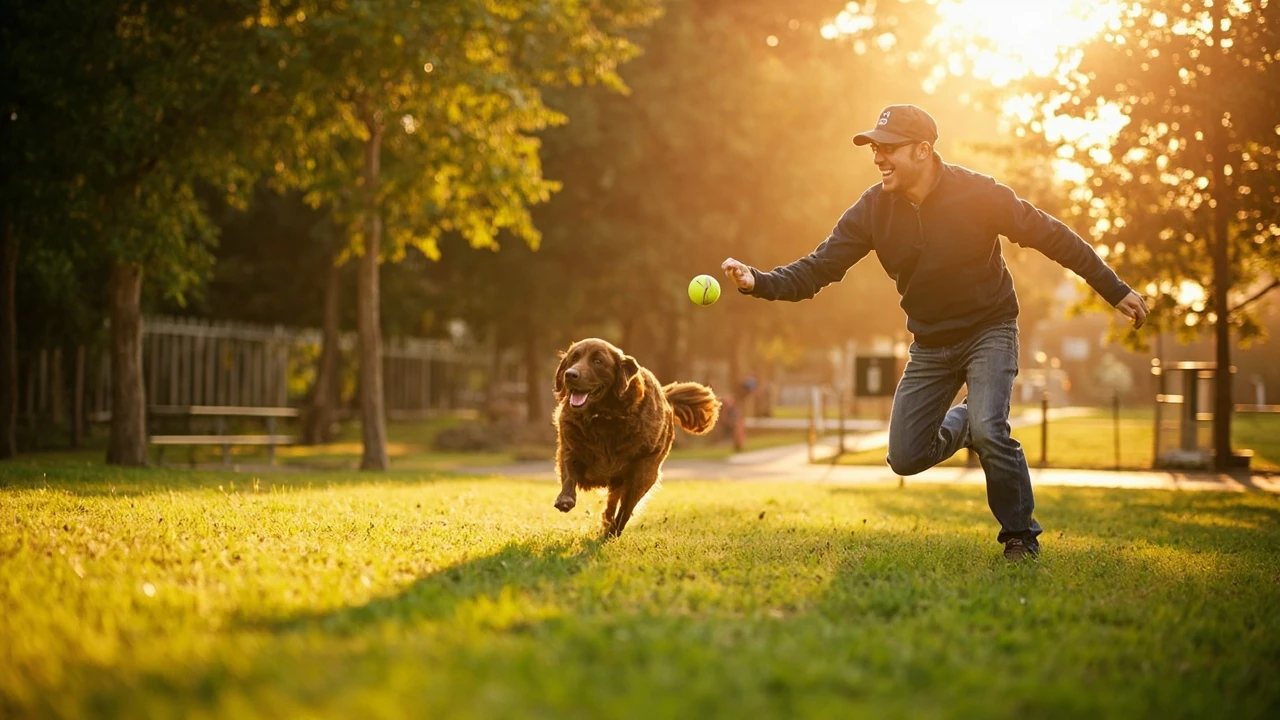
A Saturday morning, a leash in one hand, a phone in the other, and the same old question: where are the best dog parks near me that are actually worth the drive? Most local searches return the closest three options, not the best fit for a specific dog. This guide turns a generic map result into a short list of parks that match your dog’s size, energy level, and training stage, and that you can verify before you load the car.
Use the steps below to build a personal shortlist of nearby dog parks, check each one against your real priorities, and avoid the common disappointments: muddy fields, aggressive off-leash dogs, broken gates, and a thirty-minute drive for a patch of grass.
Best dog parks near me: how to start a focused search
The phrase “best dog parks near me” is doing more work than it looks. Three different readers mean three different things: a first-time dog owner who needs a safe enclosed field within ten minutes, a reactive-dog household that needs a quiet alternative to a busy city park, and an active sporting-dog owner looking for wide open space and trails. Start by naming your version of “best” before you search, because the same ten parks will rank very differently for each of those readers.
Once you know what you want, the search itself becomes faster and the results become more useful. The default map view is good at distance and bad at quality, so treat it as a starting list, not a verdict.
Define what “best” means for your dog first
A practical way to define “best” is to write down the three to five features that would make you reload the car for a second visit, and the three things that would make you leave after ten minutes. Common criteria include:
- Fully fenced perimeter with double-gate entry
- Separate areas for small or shy dogs and for larger or more active dogs
- Drainage that keeps the ground dry after rain
- Clean water access or a working tap
- Shade in summer and shelter in winter
- Visible bag and waste disposal stations
- Parking close enough that you do not have to cross a busy road with a dog
Keep the list short. Five non-negotiables are easier to evaluate than fifteen “nice-to-haves” that blur together when you are standing in a car park at 9 a.m. on a Sunday.
Use maps and review sites as a first filter, not the final answer
Map apps and review sites are good at surfacing the obvious choices within a reasonable radius. They are not good at telling you whether the gate latches, whether the small-dog area is actually used, or whether the park is busy enough to be social or quiet enough to be calm. Use them to build a list of five to eight candidates, then move to the direct checks below.
Filters worth using in the map view:
- Search for “dog park,” “off-leash area,” and “dog beach” separately, as the same area may appear under different labels
- Adjust the radius in both directions: a 5 km radius for weekday evenings, 15–25 km for weekend mornings
- Sort by rating, but read at least the last ten reviews, not the first three
What you are really looking for in reviews is patterns. A single one-star complaint about a muddy patch is just weather. Three reviews across two months mentioning aggressive dogs, broken gates, or regular glass on the ground is a real signal. The same pattern logic applies to a quiet park that several reviewers describe as “underused” and “peaceful” – that is a useful answer for a reactive dog.
What separates a genuinely good dog park from a patch of grass
A good dog park is a small piece of public infrastructure with a lot of moving parts. Fencing, gates, ground surface, shade, water, and a working waste system all need to be in reasonable condition at the same time, and dog owners need to follow the unwritten rules of off-leash space. When any of those layers is missing, even a park with great reviews will frustrate you on a regular basis.
The next sections walk through the features that quietly decide whether a park becomes a weekly habit or a one-time visit.
Enclosure design and entry systems
Perimeter fencing is the single most important safety feature of any off-leash park. Look for fencing that is at least shoulder height on the largest dog likely to use the park, no large gaps along the base, and a double-gate entry so two dogs cannot meet face-to-face in a doorway. Self-closing hinges and a latch that does not require two free hands matter more than people expect when you are carrying a leash, a water bottle, and a small dog.
Inside the fence, look at sight lines. A park that is mostly open grass is easier to scan than one broken up by dense shrubs and berms. You should be able to see your dog, or at least predict where your dog is, from almost any point inside the enclosure.
Ground surface and drainage
Surface quality decides whether a park is usable year-round. Well-designed parks use a mix of natural grass, wood chip, or pea gravel in high-traffic zones, and they sit on ground that drains well. A park on heavy clay will turn into mud after two rainy days, which leads to paw injuries, dirty coats, and complaints that get the park closed for “rest.”
If you are evaluating a park for the first time, walk the perimeter before letting your dog off leash. If your shoes sink, expect to be rinsing muddy paws in the car park afterwards. On the way out, check whether there is a tap or hose so that you can at least clean paws and fill a water bowl before the drive home.
Layout, zones, and capacity
The best-run parks in any city tend to share three layout features:
- A clear separation between a small or shy dog zone and a main zone for larger or more confident dogs
- A buffer strip or path between the two zones so dogs cannot charge the fence at each other
- Enough square metres per dog that even a busy Saturday does not feel like a dog show
Capacity is harder to evaluate from a map. A small urban park that is excellent at 7 a.m. on a Tuesday can be unworkable at 11 a.m. on a sunny Sunday. If you have a reactive dog, that small urban park may still be your best option, just at a different time of day.
Amenities that quietly matter
Amenities are easy to photograph for marketing and easy to neglect in maintenance. The ones that affect your day-to-day experience:
- Working water taps or fountains that are reachable by dogs, not just adults
- Shade trees, shade sails, or a simple shelter in the main run
- Benches placed so that you can sit within sight of your dog
- Waste bags that are actually stocked, not just an empty dispenser on a pole
- Bins that are emptied often enough that lids stay closed
If any of those are missing at your local park, the fix is often a polite request to the council or parks trust, and a clear photo of the problem. Volunteer groups that “adopt” a dog park are common in many cities and can be a faster route to improvements than waiting for the next budget cycle.
How to evaluate a dog park before you commit to a regular visit
The fastest way to find the best dog parks near me is to test three or four candidates in quick succession, on different days and at different times, and then narrow your list down to one or two regulars. The framework below keeps the evaluation simple and comparable.
Do a first visit during a quiet hour
Choose a weekday morning or a quiet weekend slot for the first visit. Your goal is to see the park at its calmest, not to judge it during a peak-time rush. At a quiet hour you can check the gate, the fencing, the ground, and the amenities in fifteen minutes without pressure, and you can leave with a clear read on whether the park is right for your dog.
Do a second visit during a busy hour
If the first visit goes well, return at the park’s busiest hour, usually a Saturday or Sunday morning, or just after working hours on a weekday. This is when you see how the space actually works: whether the small-dog zone is respected, whether owners pick up waste, and whether there is enough room for your dog to choose to be social or to opt out.
Score the park against your own list
Score each park out of five on your top three to five criteria, then add a one-line note per criterion. The notes are more useful than the numbers because you will forget the score within a month, but you will remember the park where a toddler ran into the off-leash zone or the one where the tap had been broken for weeks.
| Criterion | What to look for | Why it matters |
|---|---|---|
| Fencing and gates | Height matches local large dogs, no gaps, double-gate entry, self-closing | Prevents escapes and face-to-face meetings at the door |
| Ground and drainage | Dry underfoot after rain, no deep mud, some hard surface in high-traffic spots | Reduces paw injuries and post-walk cleanup |
| Zoning | Separate small or shy dog area, clear buffers, visible signage | Gives nervous or small dogs a real option to opt out |
| Water and waste | Working tap, stocked waste bags, bins emptied regularly | Day-to-day usability of the park |
| Shade and shelter | Trees, shade sails, or a basic shelter over a bench | Makes the park usable in summer heat and winter rain |
Matching the park to your dog’s profile
Once you have a shortlist of well-run parks, the “best” choice is the one that matches your specific dog. Different dogs have very different needs from the same piece of grass, and a park that is perfect for a confident four-year-old retriever can be a poor fit for a six-month-old puppy or a nervous rescue.
Puppies and adolescent dogs
For puppies under six months, the priority is a clean, fully enclosed space with good drainage and as few unknown dogs as possible. Carry your puppy rather than letting them walk through the main gate, and avoid peak hours until vaccinations are complete. A small park with friendly regulars is more useful at this stage than a large busy one.
Adolescent dogs between six months and two years need the opposite. They need space to move, other dogs to learn from, and enough owners paying attention that rough play is interrupted early. Look for parks with a clear second zone for older or calmer dogs so your adolescent can be matched with similar energy levels.
Reactive, anxious, or senior dogs
Reactive dogs do best in parks with real visual barriers, such as hedges, berms, or distance between zones, and at quiet hours. A “best dog park” for a reactive dog is often a small, slightly scruffy local park that nobody else visits at 2 p.m. on a Wednesday. Many cities also run ” reactive dog” or “small dog” sessions at specific times; those are worth knowing about even if you would not normally consider that park.
Senior dogs usually want short, flat loops with shade and a water source close to the gate. A 10-minute visit to a calm park is more valuable than a 40-minute visit to a busy one, especially in summer.
High-energy and working breeds
High-energy dogs benefit from parks that are big enough to actually run in, ideally with a perimeter path so the dog can build up a steady trot. Some regions have dedicated “dog sports” parks with agility equipment, swimming access, or open fields for fetch. If your local options are all small urban parks, a quiet hour at a large fenced sports field, where allowed, can be a better fit than any of them.
| Dog profile | Best park features | Best time to visit |
|---|---|---|
| Puppy under 6 months | Small, clean, fully enclosed, few unknown dogs | Quiet weekday mornings |
| Adolescent 6 months to 2 years | Large main zone, similar-energy playmates, attentive owners | Moderately busy weekend mornings |
| Reactive or anxious | Visual barriers, real small-dog zone, low foot traffic | Quiet weekdays, off-peak hours |
| Senior dog | Flat ground, shade, water close to gate, short perimeter | Cool parts of the day, any quiet hour |
| High-energy or working breed | Wide open space, perimeter path, optional agility or water | Early morning or late evening |
Beyond the park: pairing off-leash time with the rest of the day
A dog park visit rarely stands alone. For most people it sits inside a wider day that includes the drive there, a coffee stop, and a walk either before or after. Choosing a park that fits cleanly into a route you already use is what turns an outing from a chore into a habit.
If you are the kind of household that combines a dog outing with a longer family day, it helps to pick a park that is on the way to something else, not at the end of a detour. The same logic shows up in broader weekend planning: a morning dog walk, a midday activity, and a late-afternoon rest work best when each stop is within a short drive of the next.
For a full day built around outdoor time, an itinerary-style approach can help. The same kind of thinking that goes into planning a forest escape – one anchor activity, one backup option, and a short list of nearby stops – is useful for a dog day too. Choosing a park near a café, a trail, or a family-friendly stop gives you a real plan B if the park turns out to be too busy, too muddy, or unexpectedly closed for maintenance.
Seasonal and weather considerations
The “best” dog park near you in July may not be the “best” in January. Heat, mud, ice, and daylight all change which parks are usable, and a small amount of seasonal planning saves a lot of frustrated drives.
Summer
In hot weather, prioritise parks with serious shade and a water source that works. A grass-only park in full sun can be hot enough to burn paw pads by mid-morning. Aim for early morning or late evening visits, and check the surface with the back of your hand before letting your dog walk on it. If you cannot hold your hand there for five seconds, the surface is too hot for paws.
Winter and wet weather
In cold or wet seasons, drainage and shelter matter more than grass. Parks with wood-chip or gravel high-traffic zones stay usable when pure grass parks close themselves for “rest.” A simple wet-weather plan – quick-dry towel, paw rinse, and a sheltered bench under a tree – is enough to keep most dogs walking through a normal winter.
For trail-style walks in mixed weather, the same preparation logic that applies to human hiking applies to dogs: a small packing list, layered thinking about warmth and dryness, and a short list of nearby shelters or cafés. If you are combining a dog walk with a longer outdoor day, it is worth looking at how to pack for a wet-weather trail day, as the same list of essentials covers both you and your dog.
Seasonal closures
Many councils close grass dog parks on a rotating basis to let the turf recover, especially after a wet summer. Before you commit to a regular visit, check the local parks website or sign at the gate for closure dates. A park that is technically open but fenced off for “overseeding” is the same as a closed park for your planning purposes.
Etiquette and safety: keeping the park good for everyone
The quality of a dog park is mostly maintained by the people who use it, not by the council that owns it. Three habits make the biggest difference to how a park feels on a given afternoon.
Watch your dog, not your phone
Active supervision is the single most useful thing an owner can do. Most incidents at dog parks – fights, escapes, children being knocked over – happen in the few seconds when nobody in the area is looking. If your dog is off leash, your eyes should be on your dog, on the gate, and on the dogs closest to you.
Pick up, every time, including the “almost nothing”
Waste stations stay stocked only when people actually use them. Picking up after your dog is non-negotiable, and picking up the small bits that seem like nothing is what keeps the park from smelling bad a week later. If the station is empty, carry a small bag of bags in your pocket for next time and for other owners.
Read the room before you enter
Before you open the gate, take ten seconds to read the park. Are dogs playing appropriately, or is the main area tense? Is the small-dog zone being respected? Is there a nervous dog pinned in a corner by a confident one? If the answer to any of those is yes, wait a minute, choose a different gate, or come back later. Choosing not to enter is a real skill and a kindness to the dogs already inside.
| Situation at the gate | What it usually means | What to do |
|---|---|---|
| Calm play, owners watching | Healthy, well-managed park | Enter, keep your dog within sight |
| Cluster of dogs, one tense | Possible scuffle about to start | Wait outside the gate, try again in a few minutes |
| Small-dog zone ignored | Small dogs may be overwhelmed | Use the gate furthest from the main cluster, or visit off-peak |
| Owner on phone, dog roaming | Supervision gap | Keep more distance and watch that dog |
| Wet ground, no drainage | Park will be muddy for days | Visit a different park or wait for drier weather |
Safety and what to do when something goes wrong
Even in the best-run parks, things occasionally go wrong. A quick plan for the common incidents makes the difference between a minor event and a real problem.
Dog fights
If two dogs get into a serious fight, do not reach in with your hands. Use a loud, sharp noise, a thrown jacket, or a wheelbarrow-style lift on the hindquarters of the aggressor to break the grip. Once separated, move your dog calmly out of the park, check for puncture wounds, and contact your vet if there is any bleeding. Many cities also have a local dog warden or animal control line for repeat offenders; a short report helps the next owner.
Escapes
If your dog gets out, the double-gate system only works if it is used correctly. Always close the outer gate before opening the inner one, and never assume the latch has caught. If a dog does escape, the highest-value move is to stop, crouch, and call in a calm voice – chasing a loose dog usually sends it further away. Most off-leash parks are close enough to roads that this matters more than it sounds.
Heat stress and paw injuries
Heat stress in dogs shows up as heavy panting, drooling, stumbling, or sudden reluctance to move. The first response is shade, cool (not cold) water on the belly and paws, and a quiet ride to the vet if symptoms do not improve within a few minutes. Paw injuries from hot pavement or hidden glass are easier to prevent than to treat, which is why the surface check at the gate is worth the extra thirty seconds.
Tools, apps, and small habits that make the search easier
You do not need much gear to find the best dog parks near me, but a few small habits make the search repeatable.
- Save your shortlisted parks in a single map list with a clear name, so the next visit is one tap away
- Keep a small note per park with the best entry gate, the best hour, and the one issue you want to watch for
- Check the local council’s parks page once a season for closure updates, and check community social groups for last-minute changes
- Carry a small “dog kit” in the car: waste bags, a quick-dry towel, a small water bottle, and a basic first-aid item for paws
- Use a long line for the first few visits to a new park, so you can recall your dog from the gate if needed
If you are pairing a dog walk with another outdoor activity, the same time-and-budget logic that helps with a full day out applies. Knowing roughly how long you will spend at each stop, what it will cost, and what happens if the weather turns is what separates a relaxed Saturday from a stressed one. The same practical approach used to plan a realistic day trip budget, for example, works just as well for a dog-focused day with one main park, one backup, and one low-key stop on the way home.
Common mistakes to avoid when choosing a dog park
Most of the avoidable problems with dog parks come from a small set of predictable mistakes. Knowing them in advance is the easiest way to skip a few bad first visits.
- Picking the closest park without checking the ground, the fence, or the gate
- Going only at peak hours and assuming the park is always that busy
- Ignoring the small-dog zone because your dog is “friendly,” even when small or nervous dogs are present
- Trusting a single review, either positive or negative, without reading several
- Choosing a park with no water and no shade in summer “because it is closer”
- Forgetting that the same park can be a different experience on a wet Tuesday and a sunny Saturday
Building a shortlist you actually use
The point of all the filtering above is to end up with a shortlist of two or three parks you genuinely rotate between, not a long list of candidates you never visit. A practical shortlist looks like this:
- One “everyday” park: close to home, well-run, suitable for most days, even when you only have 30 minutes
- One “weekend” park: bigger, with more space, worth the drive on a Saturday morning when you have more time
- One “backup” park: a smaller, calmer option for reactive-dog days, hot afternoons, or post-storm mud
With those three in place, you stop searching every week. The question shifts from “best dog parks near me” to “which of my three today, and at what time.” That is the real win, and the one that makes the rest of the dog-walking routine feel lighter.
Frequently asked questions
How do I search for the best dog parks near me on a phone?
Open your preferred map app, type “dog park” or “off-leash area,” set a radius that matches your real willingness to drive, and read the most recent reviews. Save the best two or three as a custom list so the next search is one tap. Treat the map as a starting list, then check the park in person before you rely on it.
What features matter most in a good off-leash dog park?
The essentials are full perimeter fencing, a double-gate entry, decent drainage, a working water source, and some form of shade. Anything beyond those is a bonus. A small park with all five essentials is usually a better everyday choice than a large park missing two of them.
How can I tell if a dog park is safe before I let my dog off leash?
Walk the perimeter first, check the gate latch, and look at the ground. Read the room inside the park for a minute or two before unclipping the leash. If you see aggressive play, ignored small-dog zones, or owners who are not watching their dogs, that is a signal to wait or to choose a different park.
Are small-dog zones actually useful?
Yes, when they are respected. A real small-dog zone lets small, shy, or older dogs choose their playmates and opt out of high-energy play. They stop being useful when larger dogs are allowed in, or when the zone is treated as a “quiet corner” for everyone. If your local small-dog zone is ignored, an off-peak visit to the main park is often a better option.
How often should I rotate which dog park I visit?
For most dogs, two or three regular parks on a rotating schedule is healthier than a single park every day. Different grounds, smells, and playmates give a dog more mental stimulation and reduce wear on any one park. The rotation does not have to be complicated: one weekday, one weekend, one backup.
What should I do if my dog is reactive but I still want off-leash time?
Look for parks with real visual barriers, visit at quiet hours, and consider dedicated small-dog or reactive-dog sessions where they exist. Use a long line at the gate so you can recall your dog before any trigger appears. A slightly scruffy, underused local park is often a better fit for a reactive dog than a flagship park with the best reviews.
How do seasons change which dog park is best?
Summer favours parks with shade, water, and grass that does not bake; winter and wet weather favour parks with good drainage and a sheltered bench. Check closure notices for seasonal turf rest periods, and have a backup park for the weeks when your main one is fenced off for recovery.
What basic kit should I keep in the car for dog park visits?
A small dog kit covers most situations: waste bags, a quick-dry towel, a collapsible water bowl, a bottle of water, and a basic paw first-aid item. Add a long line for first visits to a new park, and a light jacket for yourself if the dog walk is part of a longer outdoor day.
How do I report a problem at my local dog park without getting ignored?
Send a short, specific note to the council or parks trust with one clear photo, the park name, and the exact issue – broken gate, empty waste dispenser, standing water, aggressive regular. Most councils have a standard form; community social groups are useful for visibility, but the formal report is what creates a paper trail for funding.
Can dog parks be combined with other family activities?
Yes, and they often work best that way. A morning at a well-chosen dog park, a midday activity nearby, and a late-afternoon rest fit cleanly into a single day if each stop is on a sensible route. The same planning mindset used for a full family day out – one anchor, one backup, a short list of nearby stops – is what makes a dog-focused day feel easy rather than rushed.
Related reading
Explore High Ropes Adventure
Trip tools
Essential adventure planning guides
Use these practical guides to compare rope park activities, prepare for a first high ropes day, check a booking, choose suitable footwear and contact the editorial team. Each page links to the relevant live tools and current planning sections.
Latest articles
- Outdoor pillows: how to choose the right ones for a deck or trail rest stop
- How to find Morgan Jay tickets without overpaying
- How to find national parks near me: a practical local search guide
- Paylater travel: how buy now, pay later works for trip bookings
- Bagsmart Blast Travel Backpack: A Practical Review for Day Trips and Adventure Days
- How to choose an outdoor rocking chair that actually lasts
- Indiana travel advisory map: how to read it before a day trip
- How to plan an outdoor day around a concert stop: a cardi b tickets field guide
- Outdoor sectional sofas: a practical buyer’s guide for patio living
- How amusement parks actually work: rides, safety, and what to expect