Shibuya Sky tickets: how to choose the right time, deck, and pass
Shibuya Sky tickets: how to choose the right time, deck, and pass
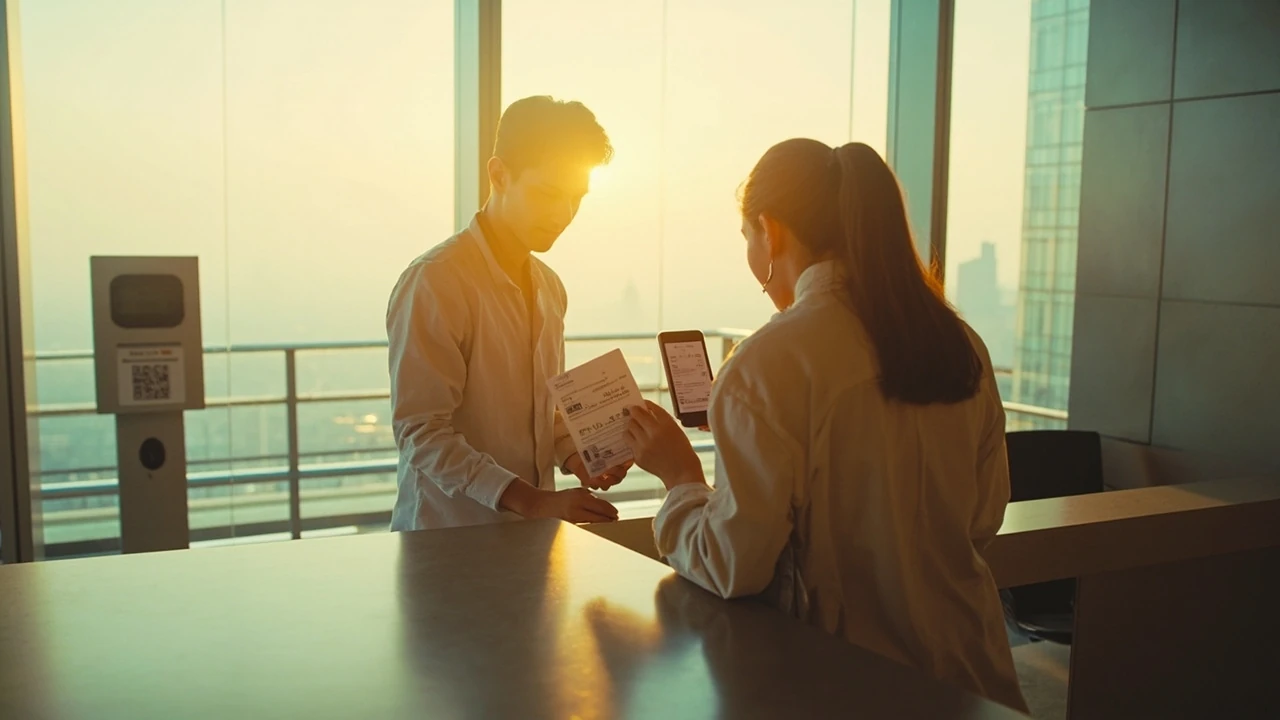
Standing on the 47th floor of Shibuya Scramble Square, 229 metres above the famous scramble crossing, you understand quickly why people plan their Shibuya Sky tickets weeks in advance. The platform is open-air, the floor is mirrored at one end, and the air over Tokyo is sharp and clear on a good day. The catch is that the deck only admits a set number of visitors per slot, and the most popular windows, sunset on a Friday, clear evenings in late autumn, sell out in a way that can feel surprising if you are used to walking up to a ticket window at a museum.
This guide walks through the practical decisions you make when buying Shibuya Sky tickets, from choosing between the Sky and Sky Stage access to matching a time slot to a real Tokyo itinerary. It is written for first-time visitors who want a smooth experience, repeat visitors comparing ticket types, and anyone trying to decide whether a sunrise slot, a daytime visit, or a sunset booking gives them the best value. The focus is on what the official booking system actually controls, what it does not, and what to check before you pay.
What Shibuya Sky tickets actually include
Shibuya Sky sits on the top three floors of Shibuya Scramble Square, the 230-metre mixed-use tower that opened above Shibuya Station in 2019. A standard Shibuya Sky ticket is a timed entry pass for the indoor observation area on the 46th floor, the transfer level, and the open-air rooftop on the 47th floor. Once you pass the entrance, you move through the experience in your own pace until the end of your slot, and there is no extra charge for moving between levels inside the venue.
Several things are bundled into the same ticket, which is worth knowing because the price is often higher than a typical Tokyo observation deck:
- Access to the indoor 46th-floor corridor, the 47th-floor indoor area, and the open-air rooftop
- Use of the rooftop benches, the so-called “Sky Edge” corner with the floor-to-ceiling glass, and the mirrored section of the rooftop
- Free Wi-Fi on the deck, downloadable photo frames, and the in-house compass display
- Use of the “Sky Cafe” and the “Paradise Lounge” drinks counter on a pay-as-you-order basis
- Coat check for bulky bags and umbrellas at the transfer level
What a standard Shibuya Sky ticket does not include is the rooftop bar tab, any food from the cafe, and access to private event bookings. If you see a listing that markets “VIP Shibuya Sky tickets”, it is almost always a third-party reseller bundling a sunset slot with a drink coupon, not a separate tier sold by the venue itself.
The main ticket types at a glance
The official booking system sells a small set of clearly named products, and the price changes mainly with the time of entry. A non-Japanese visitor looking at Shibuya Sky tickets for the first time usually ends up choosing between a small number of options, so the comparison below is the one that matters in practice.
| Ticket type | What it covers | Typical audience | Key limitation |
|---|---|---|---|
| Standard adult timed entry | 46F and 47F, including open-air rooftop, any advertised time slot | Most first-time visitors, solo travellers, couples | Subject to capacity caps; popular slots sell out 2-4 weeks ahead |
| Sunset / evening slot | Same access, but entry within a window centred on sunset | Photographers, couples, anyone planning a date night | Highest price tier, often the earliest to sell out, and strictly enforced entry time |
| Sunrise slot (limited days) | Early-morning entry before standard opening, with 360-degree Tokyo morning light | Photographers, repeat visitors, jet-lagged early risers | Only available on selected days and weather conditions; must be booked online |
| Junior / child timed entry | Same access as adult, for children within the age band set by the venue | Families visiting Tokyo with school-age children | Children below the lower age band are not admitted even with a paid ticket |
| Disabled companion ticket | Free or discounted entry for a registered companion of a paid disabled visitor | Visitors with accessibility needs and their helper | Requires the primary ticket to be booked first, then the companion slot added |
The categories above reflect how the venue describes its products on the official site. A few seasonal variants appear, including a short Christmas and New Year period with a dedicated rooftop bar package, but these are usually framed as add-ons to a standard timed ticket, not as a separate product.
How timed entry actually works
When you book Shibuya Sky tickets, the system gives you a specific date and a narrow entry window, usually a 30-minute slice. You can arrive any time inside that window, scan your QR code at the entrance on the 14th floor, and then move through the experience without a time pressure once you are inside. The clock that matters is the entry time, not how long you spend on the deck.
There are a few consequences of this design that catch first-time visitors off guard:
- If you arrive after your window closes, staff may refuse entry or, at busy times, ask you to wait for a later slot that may not exist
- The system does not refund you for a missed entry, even if the train was delayed or you misread the time zone
- If you arrive well before your window, you will usually be asked to wait in the lower-level queue area and re-scan at the start of your slot
- Your exit time is open, but the rooftop itself may be cleared for a private event on certain days, which is announced only at check-in
For most visitors, the practical advice is simple: aim to be in the building 15 to 20 minutes before your slot, not the exact minute of the slot, so you have time to collect tickets, check coats, and take the dedicated lift up.
How far ahead you need to book
Shibuya Sky tickets are released on a rolling window, typically two to four weeks of dates visible at any time. The longer the lead time, the more slot options you can see, including the most popular sunset windows. As you get closer to a date, the system closes the option entirely once a slot is full, rather than showing it as sold out alongside alternatives.
As a general rule of thumb, which reflects how the venue behaves in normal weeks outside of Japanese public holidays:
| Season and time of day | How far ahead Shibuya Sky tickets usually sell out | Booking strategy |
|---|---|---|
| Weekday late-morning or early-afternoon | Same week, often still available 1-2 days before | Book a few days ahead for comfort; same-day is usually possible |
| Weekday sunset | 1-2 weeks ahead in spring and autumn | Book as soon as your dates are fixed |
| Weekend daytime | Around a week ahead in low season, faster in cherry blossom and late autumn | Book at least a week in advance for any weekend in March, April, or November |
| Weekend sunset | 2-4 weeks ahead, sometimes sooner around golden week and New Year | Treat the sunset window as a priority, not a default |
| Sunrise slots | Often released in small batches a few days in advance | Check the official site early in the morning of the day you want, and be ready to book in one go |
These windows can shift quickly. If your itinerary only allows a single day, and that day is a Saturday in late March, you should plan around the booking rather than the other way around.
How Shibuya Sky ticket prices are structured
The official Shibuya Sky ticket price varies with time of day, day of the week, and the visitor’s age. The venue publishes a current price grid on its official site, and the same grid is reflected at the on-site ticket counter. Adult standard entry in the cheapest slot, weekday late morning, is the lowest published price, and a weekend sunset slot is the highest. There is no separate “premium” or “VIP” ticket category at the counter itself; the price is driven by slot demand.
Children are usually charged a reduced rate within a defined age band. Visitors above a certain age, often 65 and over, are charged a senior rate. Children below the lower age threshold are not admitted at all. The disabled companion policy is set out separately and is usually free for one companion per paid disabled visitor.
A practical way to read the published price list is to look at the time-of-day bands rather than individual slot prices. The same adult in three different time bands on the same day pays three different amounts, and the difference between the cheapest and the most expensive slot on a weekend can be a meaningful percentage of the total. If you are flexible on time, picking an early-evening slot just after sunset instead of the sunset window itself is often noticeably cheaper while still giving you a darkened city view.
What changes at the rooftop level
Once you scan your Shibuya Sky ticket and reach the 47th floor, the experience is a single continuous space, but the deck is split into zones with different rules. Knowing the difference matters because the rules affect photography, group movement, and how long you can stay in the most popular corner.
- The main open-air rooftop has wide standing space, glass railings on three sides, and free seating on benches and small platforms
- The “Sky Edge” corner is the highest point and is the busiest. Staff may briefly pause entry to that corner if a queue forms
- The mirrored section is one end of the rooftop and is the one most people photograph, especially in evening light
- The indoor area on the 47th floor houses the cafe, the lounge, restrooms, and a small retail counter; access to this area is part of the standard ticket
- The 46th-floor indoor corridor is the “approach” to the lift up, with an animated display that leads you into the rooftop experience
None of these zones require an extra fee, but some are easier to access in certain slots. A weekday morning is the most comfortable time to spend time on the benches near the Sky Edge, while a sunset slot requires a little more patience for the same corner.
Age, height, and accessibility rules to check before booking
Shibuya Sky tickets have a small set of visitor rules that matter more than people expect, especially for families and visitors with reduced mobility. The venue is a rooftop with a single staircase in the middle, so the staff apply age and height rules to keep the deck safe during busy periods.
For families, the points to confirm before you book are:
- The minimum age for rooftop access, which is published on the official site and is enforced at the lift to the rooftop
- Whether very young children need to be held, and the policy on pushchairs, which are not allowed on the open-air deck
- Whether the cafe and the lounge accept younger children during evening slots, since the rooftop mood after dark is quiet and adult-leaning
- Companion tickets for any visitor who needs a helper, which are processed as a separate step after the primary ticket is paid
For accessibility, the lift takes visitors from the 14th-floor entrance to the 46th-floor indoor level, and a second lift connects the 46th to the 47th floor. The open-air rooftop is reachable by lift and is step-free once on the deck, but the surface is a hard platform and the glass railings are high. Wheelchair users and visitors with limited mobility should contact the venue ahead of time so the staff can plan a smooth route and avoid the busiest minutes on the Sky Edge corner.
Weather rules that change the day of your visit
Because Shibuya Sky is an open-air rooftop, weather is the single biggest variable between a memorable Shibuya Sky ticket and a wasted slot. The venue does not refund tickets for ordinary weather, but it does close the rooftop for specific conditions, and it announces these decisions at the venue and on the official site the same day.
The most common reasons a rooftop is closed or partially closed are:
- Sustained high wind, which can make standing near the glass railings unsafe
- Heavy rain, which closes the open-air deck but usually keeps the indoor 46th and 47th floors open with reduced ticket value
- Thunderstorms, which lead to a full closure of the rooftop for the duration of the storm
- Low-visibility events, such as dense fog, which technically keep the deck open but make the view almost meaningless
- Extreme summer heat, which in recent years has led to short safety pauses in the early afternoon on the hottest days
The practical advice is to read the weather forecast for central Tokyo carefully the day before, and to keep a flexible slot in your itinerary in case you need to move a visit. A dry, slightly overcast day often gives better photographs than a clear bright afternoon, because the haze over Tokyo drops and the cityscape reads more clearly.
How to fit a Shibuya Sky visit into a real Tokyo day
A common mistake when buying Shibuya Sky tickets is to plan the visit in isolation, then discover that the timing does not fit the rest of the day. The observation deck is at the top of a building that is part of Shibuya Station, so the simplest plan is to anchor the visit to a Shibuya-based morning or evening rather than slot it into a moving itinerary across the city.
A realistic daytime plan looks like this:
- Arrive at Shibuya Station at least 20 minutes before your slot, using the Fukutoshin, Toyoko, or JR lines depending on where you are staying
- Take the dedicated lift to the 14th-floor entrance, scan your ticket, and store coats and bags at the transfer level
- Spend 60-90 minutes on the rooftop, moving between the Sky Edge corner, the mirrored section, and the indoor cafe as the light changes
- Exit through the Shibuya Scramble Square lower floors, which connect directly to the Shibuya shopping and dining network, including the rooftop’s parent mall and several other observation-friendly cafes
A sunset plan is similar in shape but stricter on timing. Aim to be on the open-air deck at least 20 minutes before the official sunset time, because the strongest light is often the 10-15 minutes around sunset, not the moment of sunset itself. A sunrise plan is more relaxed, since the morning sun in Tokyo comes from the east and lights the skyline evenly, with a much smaller crowd than the sunset slot.
Common mistakes when booking Shibuya Sky tickets
Most problems with Shibuya Sky tickets are not about the venue; they are about the booking process. The same small set of issues comes up in visitor reports and reviews, and a few minutes of attention at the booking stage removes most of them.
- Booking through unofficial resellers that add a service fee and sometimes resell the same QR code twice, leading to a refused entry at the lift
- Selecting a slot in the wrong time zone, especially for international visitors who assume the system is in their local time
- Forgetting to enter the name of each visitor exactly as it appears on the passport, which the venue checks at busy times
- Choosing a sunset slot on a day with forecast rain, without a plan B for the indoor deck or a rebook
- Trying to bring a large suitcase, which is not allowed past the 14th-floor security check and would otherwise need a coin locker downstairs
If you are booking for more than two people, the cleanest approach is to book all tickets in a single transaction under one name and email. That keeps the QR codes in the same confirmation, which is the format the venue expects at the entrance.
How to read the official Shibuya Sky booking page
The official site is the only place that controls the price, slot capacity, and refund rules for Shibuya Sky tickets. Resellers and travel platforms display the same slots, but they add a fee and impose their own cancellation terms, which are usually stricter than the venue’s.
When you open the booking page, the elements to check are:
- The current price grid, which is published on the same page and should match what you pay at the counter
- The list of available time slots, colour-coded or marked sold out, which tells you which windows are still open
- The age bands and the rules text, which include the minimum age for rooftop access and the disabled companion policy
- The weather notice, which is posted at the top of the page on the day if a closure is expected
- The cancellation policy, which is the same for all tickets and is shown in the confirmation email
For visitors who are not in Japan yet, the official site accepts foreign credit cards and several international payment methods. The QR code is delivered by email, and the same code works on a phone or printed on paper.
How Shibuya Sky compares to other Tokyo observation decks
Shibuya Sky tickets sit in a wider market of paid observation decks in central Tokyo, and the comparison is worth doing if you have limited time in the city. The three most relevant comparisons are Tokyo Skytree, Tokyo Tower, and the free Government Building observatories in Shinjuku, all of which have very different visitor profiles.
| Deck | Height and format | Ticketing | When it beats Shibuya Sky |
|---|---|---|---|
| Shibuya Sky | 229 m, fully open-air rooftop with mirrored corner and 360-degree view | Timed online entry, capacity-controlled, higher price for sunset | Open-air feel, central position, modern Shibuya context, best at sunset |
| Tokyo Skytree Tembo Deck | 350 m main deck, plus a higher Tembo Galleria at 450 m | Timed online entry with broader capacity, two height tiers | Higher altitude, longer viewing time, family-friendly interior exhibits |
| Tokyo Tower Main Deck | 150 m, indoor and outdoor observation, retro Tokyo icon | Timed online entry, simpler pricing, no separate sunset tier | Lower price, classic Tokyo skyline views, very short queues outside peak weekends |
| Tokyo Metropolitan Government Building | 202 m, indoor observation on both north and south towers | Free entry with a small reservation system in some periods | No cost, easy to combine with a Shinjuku day, but no open-air rooftop |
If your goal is an open-air rooftop with a 360-degree view and a strong evening light, Shibuya Sky tickets are the clearest choice. If you want the highest point in the city, prefer an indoor experience, or want to keep the budget light, the other decks each answer a slightly different question.
What to do with the rest of your Shibuya visit
Most visitors buy Shibuya Sky tickets as part of a Shibuya day, not as the only stop, and the area around the tower rewards a small amount of planning. The scramble crossing below is the obvious anchor, but the surrounding streets have a mix of retro shopping, modern retail, and parks that work in any weather.
- The Shibuya Scramble Crossing view from the Starbucks on the second floor of the QFRONT building, which is one of the classic Tokyo photo spots and is a short walk from the tower
- The Shibuya 109 and Shibuya Center-Gai shopping streets, which are most useful in late morning and early evening when foot traffic peaks
- Miyashita Park, a small rooftop park on top of a shopping complex, which is a good place to sit before a sunset slot if you arrive early
- The Shibuya Stream and Shibuya Bridge corridors, which connect the tower to the riverside walks toward Ebisu and Daikanyama
- The small observation-friendly cafes inside Shibuya Scramble Square itself, which are an alternative if the rooftop is closed for weather
For a family day, the right shape is a daytime slot followed by a relaxed Shibuya lunch, with a sunset slot reserved for the adults in the group. For a couple’s evening, the sunset slot and a dinner in the Shibuya or Ebisu area make a natural pair, with a short walk back to the station for trains home.
Frequently asked questions
How much do Shibuya Sky tickets cost?
Shibuya Sky ticket prices vary by time of day and visitor age, with the lowest adult price on a weekday late-morning slot and the highest price on a weekend sunset slot. Children within the published age band pay a reduced rate, and senior visitors usually pay a discounted rate. The exact current price is on the official booking page.
How far in advance should I book Shibuya Sky tickets?
For weekday non-sunset slots, a few days is usually enough. For weekend or sunset slots, book two to four weeks ahead, and even earlier in cherry blossom and late autumn. Sunrise slots are released in small batches and can sell out within hours, so check the official site early in the morning of the day you want.
Can I buy Shibuya Sky tickets at the door?
Walk-up tickets are sometimes available, especially on weekday mornings and afternoons, but the venue strongly encourages online booking and reserves the right to refuse walk-up entry when slots are full. If you are travelling in peak season, do not rely on a same-day walk-up.
What is the difference between Sky and Sky Stage on the ticket?
Sky refers to the main 46th and 47th floor experience, including the open-air rooftop, the Sky Edge corner, and the mirrored section. Sky Stage is the term sometimes used for the rooftop event and bar area, which is open during most operating hours but may be reserved for private events on certain evenings. A standard Shibuya Sky ticket covers both unless the rooftop is closed for a private booking.
Are children allowed on the rooftop with Shibuya Sky tickets?
Yes, but only above the minimum age set by the venue, which is published on the official site and enforced at the lift. Children below that age are not admitted, and pushchairs are not allowed on the open-air deck. There is no separate family ticket; children pay the published child rate.
What happens if it rains on the day of my Shibuya Sky ticket?
Heavy rain closes the open-air rooftop, but the indoor 46th and 47th floors usually remain open. Wind and thunderstorms can lead to a full closure of the rooftop. The venue does not refund tickets for weather-related closures, so a flexible rebook policy from the booking platform is worth checking before you buy.
Can I bring a large bag or suitcase to the observation deck?
Large bags and suitcases are not allowed past the 14th-floor security check. The venue offers a free coat and small-bag check on the transfer level, but larger items need a coin locker in Shibuya Station before you arrive. The cleanest approach is to travel light on the day of your visit.
Is the Shibuya Sky sunset slot worth the higher price?
For first-time visitors who want the strongest photos and the most memorable Tokyo light, the sunset slot is usually worth the extra cost, especially on a clear evening. For repeat visitors or anyone with a flexible schedule, a slot just after sunset is often noticeably cheaper and still gives a strong view of the lit-up skyline.
Are Shibuya Sky tickets refundable or changeable?
The official cancellation policy is set out in the booking confirmation. In general, refunds are limited and changes are at the venue’s discretion. If you are booking a long way ahead and your plans are not yet firm, look for the option that allows a time-slot change rather than a refund.
Is the Shibuya Sky ticket the same as a Shibuya Scramble Square ticket?
No. Shibuya Scramble Square is the office and shopping tower; entry to the building’s lower floors and shops is free. The Shibuya Sky ticket is a separate paid product for the top three floors, and the two are not interchangeable.
Putting it together: a quick booking checklist
Before you click through to the official site, the most useful pre-booking check is a short list that converts your travel plan into a ticket decision. Use the steps below to make the booking in one go, with the right slot and the right number of tickets for your group.
- Decide whether you want a daytime, sunset, or sunrise slot, and check the weather forecast for that day before you commit
- Count the number of adults, the number of children within the published age band, and any seniors in the group, and check the price for each
- Confirm the time zone on the booking page matches Tokyo time, and pick a slot that gives you at least 20 minutes of buffer at the entrance
- Check the venue’s minimum age for rooftop access and the pushchair rule if you are travelling with young children
- Read the cancellation and rebooking terms on the confirmation page, and keep the confirmation email until the visit is over
For a hands-on companion guide to ropes course and high ropes planning, the article Your First High Ropes Course: What to Expect walks through a similar timed-entry, capacity-controlled experience from a different angle. If you are planning a longer Tokyo day that mixes observation with outdoor time, the practical comparison in Train or Car for an Outdoor Day Trip? A Practical Comparison is a useful read on getting around central Tokyo efficiently.
Related reading
Explore High Ropes Adventure
Trip tools
Essential adventure planning guides
Use these practical guides to compare rope park activities, prepare for a first high ropes day, check a booking, choose suitable footwear and contact the editorial team. Each page links to the relevant live tools and current planning sections.
Latest articles
- How to find Morgan Jay tickets without overpaying
- How to find national parks near me: a practical local search guide
- Paylater travel: how buy now, pay later works for trip bookings
- Bagsmart Blast Travel Backpack: A Practical Review for Day Trips and Adventure Days
- How to choose an outdoor rocking chair that actually lasts
- Indiana travel advisory map: how to read it before a day trip
- How to plan an outdoor day around a concert stop: a cardi b tickets field guide
- Outdoor sectional sofas: a practical buyer’s guide for patio living
- How amusement parks actually work: rides, safety, and what to expect
- Beis Travel: What the Bag Brand Offers for Outdoor Days