Best places to travel with kids: a practical shortlist for active families
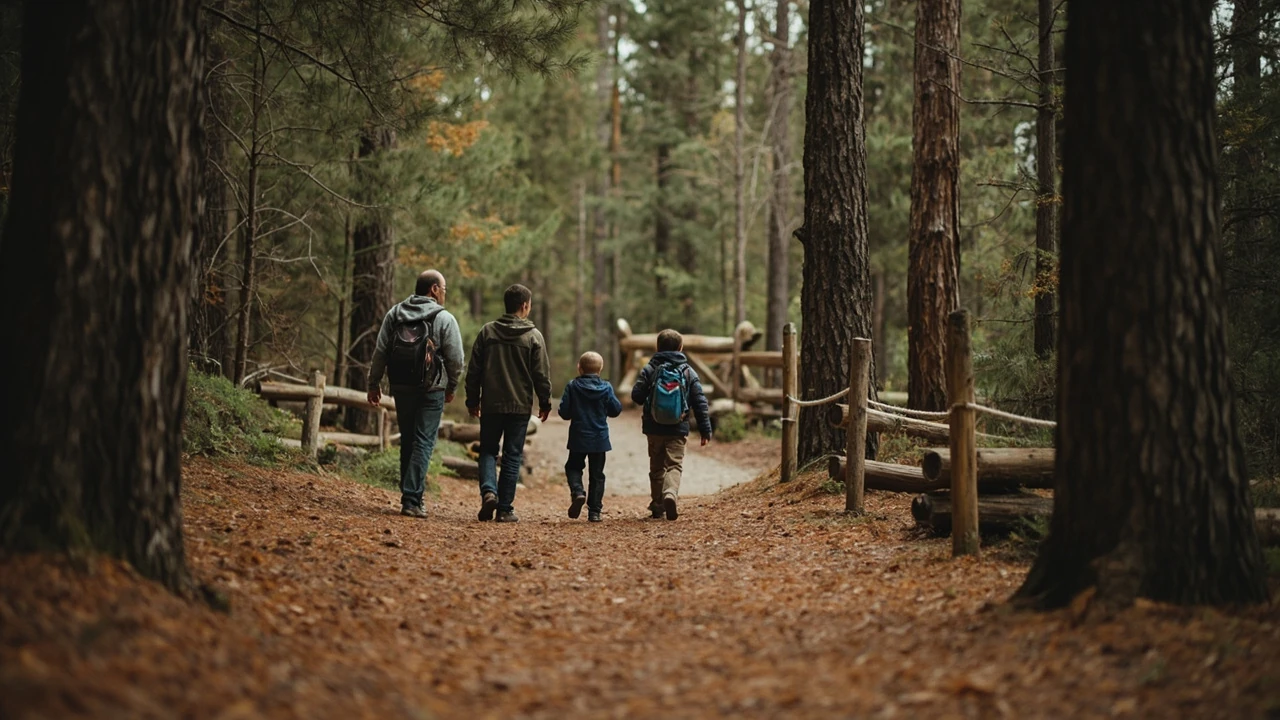
Two parents stand at the kitchen counter with three different tabs open: a forest adventure park two hours away, a coastal town with a long sandy beach, and a city break with a children’s museum. The kids are arguing about who gets the window seat. Choosing between these is less about personal taste and more about which trip will actually hold up against tired legs, short attention spans, hunger spikes, and weather that does not care about the brochure. The best places to travel with kids are the ones that survive contact with a real family on a real day.
This guide is built around that contact-with-reality test. It explains what to look for in a destination, how to compare the main types of family trips, and where common shortlists go wrong. It does not try to rank every country or city on earth. Instead, it gives you a working framework, a comparison table, and a practical shortlist of categories that consistently perform well for children between roughly four and twelve, which is the age band where active outdoor travel tends to work best.
Best places to travel with kids: what the phrase actually means
“Best places to travel with kids” is a popular search phrase, but it means different things to different families. Some readers want a list of countries. Some want a list of specific resorts, parks, or towns. Some want to know how to choose at all, because the family has only a week and the children have very strong opinions. The phrase is a seed, not a brief, and the right answer is a small, well-reasoned set of choices rather than a generic top-ten of the planet.
For most families, the right frame is not “where is the most beautiful place” but “where will my specific children, on this specific budget, have a trip that they remember as fun a year later.” That usually narrows things down faster than any review site.
What a “kid-friendly” destination really delivers
A destination earns the label when four conditions overlap. Travel time is short enough that children arrive with energy left. Activities are mixed, with active outdoor time balanced against downtime, pools, or calm days. Food and water are accessible without a daily treasure hunt. And the environment is forgiving: shade, places to sit, and an exit route when a child is done.
When one of those four is missing, the trip still happens, but the cost of the missing piece shows up in tears at dinner or a child who sleeps until noon and misses the next day. The best places to travel with kids almost always score well on all four at once.
How to shortlist destinations in about thirty minutes
Before you read another list, it helps to have a quick filter. Open a notes app and answer six questions. The answers will remove most of the noise in one pass.
- How long can we travel, door to door, before a meltdown? One hour, three hours, or a full day?
- What is the realistic daily budget per person, including travel, lodging, food, and tickets?
- Does the trip need to be accessible for a stroller, a wheelchair, a tired grandparent, or a child with sensory needs?
- Do we want one base for the whole trip, or do we want to move around?
- Is the weather at the travel dates likely to be hot, cold, wet, or unpredictable?
- What is the must-do experience that makes the trip worth it if everything else goes wrong?
Once those are written down, a destination either fits or it does not. A five-hour transfer on a hot day with a four-year-old does not suddenly become fine because the beach is famous. A trip with great activities but a one-hour walk from the nearest shop is going to drain you on day two.
The main types of family trips and how they compare
Most family trips fall into one of five shapes. Each has its own strengths, costs, and failure modes. The table below summarises them so you can match the shape to your week rather than the other way around.
| Trip shape | Best for ages | Typical travel time | Main advantage | Main risk |
|---|---|---|---|---|
| Nature and adventure base (forest lodge, national park, lake cabin) | 4 to 14 | 1 to 3 hours from home | Fresh air, space, low daily cost once you arrive | Weather can cancel outdoor days |
| Coastal or lake beach town | 2 to 12 | 1 to 4 hours from home | Sand, swimming, natural entertainment for hours | Peak-week crowds and price spikes |
| Theme park or resort complex | 5 to 14 | 2 to 6 hours from home | Built-in fun, predictable logistics | Cost per day, queues, sensory overload |
| City break with kid anchors (museum, zoo, aquarium) | 5 to 12 | 2 to 6 hours from home | Big single experiences, good in bad weather | Harder on very young children, expensive food |
| Active multi-stop trip (cycling, hiking, ropes course circuit) | 7 to 14 | Varies, often regional | Shared goals, real sense of achievement | Demands more from younger or less fit children |
Read the table sideways, not top down. A family with a four-year-old and a tight budget will often do better in the first two rows than in a theme park, even if the theme park looks more exciting on Instagram. A family with two children aged nine and eleven who love a challenge will probably get more from the last row than from a quiet cabin.
What to look for in a nature and adventure destination
Nature and adventure trips are the workhorse of family travel. They are usually cheaper than resorts, easier on the schedule, and more memorable per day. They also reward a small amount of research.
Three on-site checks before booking
When you find a place that looks promising, do three quick checks before paying a deposit. First, look at the map and see how far the lodge, cabin, or camp is from the main activity. A ten-minute gap is fine; a forty-minute transfer after a full day is not. Second, read the activity provider’s own page for age, height, and weight rules, then check the weather and closure policy so you know what happens if it rains. Third, count the number of food options within a short drive, and check whether the accommodation has a kitchen or at least a fridge.
These three checks remove most of the “we got there and it was nothing like the photos” problems. They also give you a real answer when a child asks, before the trip, “but what will we do there.”
Why rope parks and high ropes courses earn their place
Among outdoor activities, rope parks and high ropes courses have become a quiet favourite for school-age children because they offer a clear, visible challenge. The child clips in, climbs, balances, and finishes with a zipline, and the family can watch from the ground. It is the kind of activity that produces a small but real story afterwards, which is what trips are for.
If you are considering this kind of activity, the practical basics matter. The first high ropes course visit is smoother when you know roughly what to expect from the harness, the briefing, and the course difficulty, and a quick read of how rope park weather rules work in rain or wind can save a wasted trip. Both topics are covered in detail in Your First High Ropes Course: What to Expect and Rope Park Weather: Rain, Wind and Closure Questions to Ask, which are worth a look before booking.
How to pick a coastal or lake destination that works for children
Beach towns look simple in photos, but the difference between a good one and a hard one is large. A child-friendly coast has shallow, slowly sloping water for at least part of the beach, shade within a few minutes’ walk, a public area with toilets and a tap, and at least one rainy-day option such as a small aquarium, indoor pool, or covered market.
It is also worth checking the walk from the parking or transit stop to the sand. A long carry with a tired child and a beach bag turns the first day into a chore. Many of the best small coast destinations are chosen precisely because the family can walk from a flat to the water in under five minutes.
Food and water, the silent trip-killer
The single most common reason a family cuts a beach day short is hunger or thirst with no easy fix. On a remote coast, that means packing more than you think you will need. The logic is the same as for any outdoor day, and a wet-weather trail packing list is a useful starting point even for sunny destinations, because the core items overlap. A practical look at what to bring is in What to Pack for a Wet-Weather Trail Day.
Theme parks and resort complexes: when they are worth the cost
Theme parks are not bad for children. They are, however, expensive per hour of fun and demanding on attention. A park trip works when the family plans for the cost and the queues instead of being surprised by them. Two-day tickets, fast passes where the budget allows, and at least one half-day off the park help. So does a hotel with a pool, because a two-hour midday break usually doubles the time the children can enjoy the rides in the late afternoon.
Resort complexes that mix a water park, kids’ club, and one or two evening shows can be a smarter choice for families with mixed ages. The trade-off is that you often stay on site for the whole week, which means the trip becomes more about the property than the place.
City breaks that children actually enjoy
A good city break for kids is built around one or two anchor experiences, not around the city as a whole. A natural history museum, a large aquarium, a science centre, a funicular or river boat, and a famous park are usually enough. Three full days is a sensible cap for most children under ten; after that, the novelty wears off and the cost per good memory drops.
Walking distance from the hotel to the first attraction is more important than the hotel’s star rating. A simple room near a park or transit line will save more trips than a luxury room a metro ride away from anything interesting.
Active multi-stop trips for school-age children
Once children are old enough to walk a few kilometres without complaining, multi-stop active trips start to make sense. A week of cycling between small inns, a lake-based trip with daily swimming and a short hike, or a circuit that links a rope park, a cave tour, and a climbing wall can produce a very strong family memory. The format works because each day has a goal, and finishing a day on a bike or at the top of a course gives children a real sense of progress.
The main risk is over-scheduling. Two activity days in a row, followed by a half-day and a full rest day, usually beats four active days in a row for most children. Rest days also let the family do laundry, plan the next leg, and enjoy whichever part of the trip turns out to be the favourite.
Practical planning rules that hold across every type of trip
Most of the planning rules that work for family travel are short, simple, and easy to forget in the excitement of booking. The list below is the short version. Treat it as a checklist rather than a philosophy.
- Book the travel day, not just the destination. Shorter transfers and earlier arrivals pay for themselves.
- Plan one anchor activity per full day, and leave the rest of the day flexible.
- Carry a small “rescue kit” with snacks, a refillable water bottle, plasters, a spare layer, and a charged phone.
- Set a realistic daily budget before booking, then add a ten percent buffer for the surprise costs that always appear.
- Check the cancellation and weather policy for any timed activity, and ask what happens if it is cancelled on the day.
- Tell the children, in age-appropriate language, what each day will look like. Surprises are for birthdays, not travel.
The rescue kit, in particular, is one of the cheapest pieces of insurance in family travel. A child with wet shoes, an empty stomach, and a parent with no spare layer is a chain of small problems that one small bag can prevent.
How to think about cost without losing the fun
Cost is not a reason to avoid a destination, but it is a reason to sequence it. A two-week international trip can be cheaper per day than a four-day theme park weekend at peak time, and a cabin near a national park can be cheaper per day than a city hotel. The mistake is to compare the headline price of a flight with the all-in price of a road trip, or the ticket price of a park with the all-in cost of a cabin week, including food, fuel, and tickets.
Once a realistic per-day number is in front of you, you can decide whether the extra cost of a better destination actually buys you a better day for the children, or whether the same money, spent closer to home, would produce the same memories.
Common mistakes families make when choosing a destination
The same handful of mistakes show up in almost every disappointing family trip. Naming them is the easiest way to avoid them.
- Choosing a destination because an adult loved it at twenty, not because it fits the children as they are now.
- Packing too much into too few days, then wondering why everyone is tired by day three.
- Booking the cheapest option for every component, then finding that the transfers and add-ons cancel out the saving.
- Skipping the weather and closure check for outdoor activities, and losing a day to a closure that was easy to predict.
- Ignoring food, water, and shade until the first hot afternoon, then trying to solve all three at once.
- Planning for an ideal child, not the actual child who gets tired, hungry, or scared at unexpected moments.
None of these are exotic mistakes. They are the everyday ones, and a short planning pass before booking catches most of them.
Matching the trip to the age of the children
Age changes the answer more than any other factor. A destination that is perfect for a nine-year-old can be exhausting for a four-year-old, and a calm lake can feel boring to a thirteen-year-old who would rather be on a mountain bike. The table below is a rough guide.
| Age band | Best trip shapes | Daily activity cap | Travel-time cap |
|---|---|---|---|
| 0 to 3 | Beach, family resort, short cabin stay | One main outing, short nap window | About 2 hours door to door |
| 4 to 6 | Nature base, short city break, theme park with breaks | Two outings with a long midday break | About 3 hours door to door |
| 7 to 10 | Adventure base, active multi-stop, theme park, city with anchors | Two to three activities, mixed with rest | Up to a full day if well planned |
| 11 to 14 | Active multi-stop, city break, sport-led trip | Full days are realistic if interest is high | Full day, with a stop or overnight transfer |
The travel-time cap is the most important number in the table. Exceeding it is the single biggest cause of trips that start badly and never fully recover.
Putting it together: a small shortlist that works for most families
If you want a starting point rather than a theory, the shortlist below covers the destinations that most reliably work for school-age children, with the widest range of budgets and travel times.
- A national park or large forest area within two to three hours of home, with a cabin or family-friendly lodge and a rope park or similar activity provider nearby.
- A small coastal or lakeside town with a shallow beach, a short walk from accommodation, and one indoor backup for rain.
- A mid-sized city with a major museum or aquarium, a large park, and a hotel near public transport.
- A purpose-built adventure or nature resort for one or two nights, used as a high point in a longer, cheaper trip.
Each of these can be researched, booked, and enjoyed within a normal family budget, and each has enough natural variety that two children with different interests will both find something to do. For more on the planning that ties these choices together, the One-Day Forest Escape Planner is a useful reference even when the trip is longer than a day, because the day-level structure is the same.
What to do once you have a shortlist
With a shortlist in hand, the next step is to test it against the six questions at the top of this article. If a destination fails two or more of them, it is probably not the right one, no matter how good it looks in photos. If it passes all six, the remaining work is logistics, which is mostly a matter of time, not a matter of taste.
It is also worth revisiting the decision a week before you travel. Children grow, weather changes, and small details like a half-day closure at the local rope park can flip the answer. The destinations that age well as family favourites are the ones the family keeps coming back to, not the one-offs that looked perfect in a brochure.
Frequently asked questions
What age is easiest to travel with kids?
There is no single easy age, but many families find that children between about seven and ten are the most flexible. They can walk a few kilometres, follow a plan, and remember a trip clearly, while still being excited by ordinary things like a rope course or a boat ride. Younger children can travel well with the right shape of trip, and older children can travel further, but the school-age band is usually the smoothest.
How do you pick a destination when children have very different ages?
Pick a base trip rather than a theme trip. A nature base with a mix of easy walks, water, and one or two structured activities tends to satisfy a four-year-old and a ten-year-old at the same time. Theme parks and city breaks usually split the family by interest after the first day.
How long should a first family trip be?
For a first trip with younger children, two to three nights is usually enough. Long enough to settle in, short enough that nobody is exhausted by the journey home. School-age children can handle a full week, but it is worth building in a rest day in the middle.
Are all-inclusive resorts a good choice for active families?
They can be, especially for families with mixed ages or limited planning time. The trade-off is cost per day and a tendency to stay on site. For families who prefer to explore, a self-catering base usually gives more value and more variety.
How do you handle rainy days on an outdoor trip?
Plan one indoor backup per destination before you leave. A small museum, an indoor pool, a covered market, or a family-friendly cafe with a play area is usually enough. Having a real plan for rain is the difference between a relaxed rainy afternoon and a frustrated day spent searching for somewhere to go.
Is a rope park or high ropes course suitable for nervous children?
Often yes, because the harness and the briefing make the activity feel controlled, and the family can watch from below. Courses are usually graded, so a nervous child can start on an easier level and still finish with a sense of achievement. Reading a short guide such as the first high ropes course explainer before booking helps, and the provider’s own age and height rules are the final word.
How do you keep travel days short with young children?
Travel by car or train when the total time door to door is under three hours. For longer distances, split the journey with an overnight stop, and aim to arrive at the destination before the children’s normal nap or bedtime so the new place becomes the place they fall asleep.
What is the biggest mistake families make when shortlisting destinations?
Choosing by adult preference rather than by what the children can actually do and enjoy on the day. A famous city can be the wrong answer for a four-year-old, and a quiet forest can be the right answer for a ten-year-old who loves climbing. The shortlist works when it is built around the children as they are now.
How do you keep costs realistic on a family trip?
Set a per-day budget before booking, including travel, lodging, food, and tickets, then add a buffer. The buffer is not optional. Once the per-day number is set, choose the destination that fits it, not the other way around, and book the components that matter most early, when prices are usually lower.
Are multi-stop trips worth the extra effort?
For school-age children, often yes. The variety keeps each day fresh, and the sense of moving between places is part of the memory. The key is to keep the legs short, the transfers simple, and the schedule loose enough for at least one rest day in the week.
Related reading
Explore High Ropes Adventure
Trip tools
Essential adventure planning guides
Use these practical guides to compare rope park activities, prepare for a first high ropes day, check a booking, choose suitable footwear and contact the editorial team. Each page links to the relevant live tools and current planning sections.
Latest articles
- Sweet tart ropes: what the flavour means in a ropes course
- Demon Slayer movie tickets: how to find a screening and prepare for a day out
- How to choose NBA tickets without overpaying
- Time travel movies worth watching on a slow weekend
- Overseas adventure travel: how to plan a trip that actually works
- Choosing an outdoor bench that actually lasts
- Lows adventure: how low-ropes courses work and who they suit
- outdoor couch
- United travel bank: how prepaid travel money cards actually work
- National parks in California: a practical guide to choosing your trip