National parks in California: a practical guide to choosing your trip
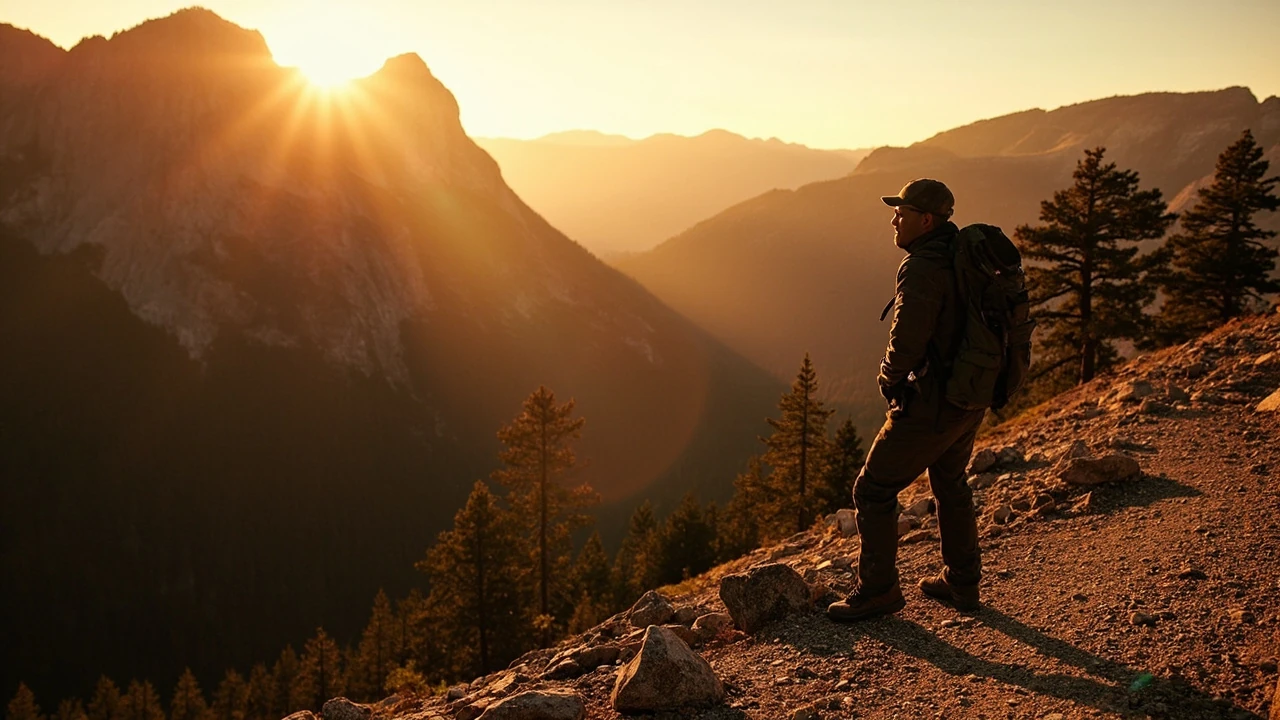
National parks in California: choosing where to go and when
California holds nine national parks, and most of them look nothing like each other. In a single week you can stand on the highest peak in the lower 48, walk among the world’s tallest trees, drive through a volcanic crater, photograph wind-sculpted sand dunes, and watch a waterfall drop straight into the Pacific. The variety is the point, but it also makes planning harder, because the seasons, the access roads, and the reservation rules change from park to park.
This guide walks through the practical decisions behind a trip to the national parks in California. It compares the nine parks on terrain, best season, drive time from major cities, reservation requirements, and the kind of visitor each park suits. The goal is not to crown a “best” park but to help you match a specific park to the time you have, the people you are travelling with, and the conditions you are willing to drive into.
How the nine parks break down by landscape
California’s national parks fall into four broad landscape groups, and that grouping is the fastest way to narrow your options.
- High Sierra wilderness covers Yosemite, Kings Canyon, and Sequoia. These parks share granite cliffs, giant sequoias, and a long winter snowpack that closes most high-elevation roads from November into May or June.
- Desert parks are Death Valley and Joshua Tree. Both are below 4,000 feet for most of their area, both run very hot in summer, and both reward early-morning and late-afternoon driving.
- Volcanic and cave parks are Lassen Volcanic and Lava Beds. These parks sit in the northeastern corner of the state and are the only ones shaped by relatively recent volcanic activity.
- Coastal parks are Redwood, Channel Islands, and Pinnacles. Redwood runs along the north coast, Channel Islands sits offshore, and Pinnacles has shifted inland to its east-side entrance near Soledad.
Your travel window usually decides the group for you. Snow closes the Sierra in winter, heat closes the deserts in midsummer, and ocean swell and ferry schedules shape any Channel Islands plan.
Park-by-park comparison at a glance
The table below uses a consistent set of attributes so you can scan trade-offs. Drive times are measured from the nearest major airport or from Los Angeles and San Francisco, where relevant. Reservation and fee information reflects the standard systems used by the National Park Service; specific dates and prices can change, so confirm with the park’s official page before you book anything.
| Park | Landscape | Best season | Closest major city | Entrance fee (per vehicle) | Reservation required |
|---|---|---|---|---|---|
| Yosemite | Granite cliffs, waterfalls, giant sequoias | Late May to early October | San Francisco or Sacramento | $35, valid 7 days | Peak-hour reservation May through September |
| Sequoia | Giant sequoia groves, high Sierra | June to early October | Fresno or Visalia | $35, valid 7 days | None for general entry; some trailhead permits |
| Kings Canyon | Canyons, sequoias, alpine backcountry | Late June to early October | Fresno or Visalia | $35, valid 7 days | None for general entry; wilderness permits for backcountry |
| Death Valley | Salt flats, badlands, below-sea-level basin | November through March | Las Vegas or Los Angeles | $30, valid 7 days | None for general entry |
| Joshua Tree | Desert scrub, granite stacks, dark skies | October through April | Palm Springs or Los Angeles | $30, valid 7 days | None for general entry; timed entry at select sites in peak season |
| Redwood | Coast redwoods, foggy river valleys | June to early October | Eureka or Arcata | $0 (no entrance fee) | None; some trail reservations |
| Lassen Volcanic | Hydrothermal areas, alpine lake, cinder cone | Late June to early October | Redding or Reno | $30, valid 7 days | None for general entry |
| Lava Beds | Lava tube caves, Modoc Plateau | May through October | Redding or Klamath Falls (OR) | $25, valid 7 days | None; cave permits free at visitor center |
| Channel Islands | Offshore islands, sea caves, endemic species | April through early October | Santa Barbara or Ventura | $0 land fee; ferry and Island Packers fare separate | Boat and campground reservations recommended months ahead |
| Pinnacles | Volcanic spires, talus caves, condor sightings | Late fall through spring (cooler temps) | San Jose or Salinas | $30, valid 7 days | None for general entry |
Entrance fees and reservation rules are set by the National Park Service and can change. Treat this table as a starting structure rather than a final schedule, and check each park’s page before you drive in.
Seasonal windows that actually work
Most visitors underestimate how much the season controls a California national-park trip. The same park can be a five-hour drive in summer and a one-hour drive in winter once snow closes the pass, or vice versa. Use the windows below as a planning filter before you book flights or a rental car.
- Yosemite and the Sierra parks are practical from late May through early October. Tioga Pass and Glacier Point roads usually close in November and reopen sometime between late May and early July, depending on snowpack.
- Death Valley is most comfortable from November through March. Summer highs at Furnace Creek regularly run above 115 °F (46 °C), which makes midday driving genuinely dangerous.
- Joshua Tree shares Death Valley’s logic but is cooler because of elevation. October through April gives mild daytime temperatures and clear night skies for stargazing.
- Redwood parks are best from June to early October. Summer fog keeps temperatures cool along the coast, but the Smith River and inland redwood groves warm up nicely by mid-morning.
- Channel Islands ferries run year-round, but calmer seas and warmer camping sit between April and early October. Winter crossings can be cancelled on short notice when the swell rises.
- Lassen Volcanic and Lava Beds are snow-bound in winter. Lassen’s main road through the park typically reopens in late May or June, while Lava Beds remains accessible earlier because of its lower elevation.
If your only available window is winter, the list of parks you can realistically reach in good conditions shrinks quickly to Death Valley, Joshua Tree, Pinnacles, Channel Islands, and the lower-elevation sections of Redwood and Sequoia. Plan the Sierra parks for a separate summer trip.
Planning your itinerary: how to combine parks without burning out
Most visitors either try to cover too much ground in one trip or they stick to one park and end up missing the variety that makes California unique. The middle path is to group two or three parks within a single drive corridor, then fly in and out of the closest major airport. Below are three itinerary shapes that work in practice.
Southern California loop: Joshua Tree and Death Valley
This loop makes sense if you are flying into Los Angeles or Las Vegas, or driving in from the Southwest. From Palm Springs, Joshua Tree’s west entrance is about an hour. After one or two nights there, drive north to Death Valley, which is roughly four to five hours via Baker and Pahrump. The loop closes when you drive back south from Death Valley to Los Angeles, which is around five to six hours on a single day.
Because both parks sit in the desert, do not try to add a Sierra park into the same trip. You will end up driving at night in the wrong conditions. Instead, treat this as a 4–6 day focused trip and save the Sierra for a separate visit.
Sierra triangle: Yosemite, Sequoia, and Kings Canyon
These three parks share a single mountain range and can be linked without returning to a major city. A practical order is to enter Yosemite from the west, exit via the south (Wawona or Tioga Pass, depending on the season), drive south to Sequoia, then continue to Kings Canyon, and exit via Fresno or Visalia to catch a flight home.
Realistically this needs 7–10 days to allow for slow drives, weather delays, and one or two rest days at lower elevation. Many visitors choose to combine two of the three parks rather than all three, because the drives between them run on winding mountain roads that take longer than they look on the map.
North coast week: Redwood and Lassen Volcanic
Redwood and Lassen Volcanic pair well because they sit in the same general region of northern California. Start in the redwood groves along Highway 101, then drive inland on Highway 299 to reach Lassen. Add Lava Beds as a quiet third stop if you have an extra day and are comfortable with longer drives.
This route rewards travellers who are not on a tight schedule. Distances are large, services are sparse outside the small towns, and the weather can shift quickly. Plan fuel stops in advance and treat each drive as part of the trip rather than a chore to power through.
Reservations, fees, and the practical paperwork
California’s national parks have moved to a hybrid system in which an entrance fee, a peak-hour reservation, and a separate activity permit can all be required. Knowing which one applies to your trip prevents an avoidable turn-around at the gate.
Entrance passes and the interagency option
For additional context, Each park charges its own entrance fee per vehicle, usually valid for seven days at that specific park. If you are visiting more than one park, an America the Beautiful annual pass covers entry to all of them for one year from the month of purchase. For most visitors visiting three or more parks in a year, the annual pass is the cheaper option. A senior pass and an access pass (for permanent US residents with a disability) extend the same coverage at reduced or no cost.
For additional context, Some parks, including Redwood and Channel Islands, charge no entrance fee at the land-based entrance. In those cases, you still need to cover the cost of getting to the park, which for Channel Islands means a ferry ticket with Island Packers or a private boat.
Peak-hour and timed-entry reservations
Yosemite runs a peak-hour reservation system during the busy season, typically from late May through September. The reservation covers entry during a specific time window and is in addition to the entrance fee. Joshua Tree has used a similar system in past summers at a few trailheads and picnic areas. Both parks publish the dates and the rules on their official pages each year, so always check the current announcement before you assume a reservation is or is not required.
Reservations for Yosemite usually open several months in advance and can sell out within days for the most popular weeks. If you cannot get a reservation, the workaround is to arrive before 5 a.m. or after the peak window closes for the day, but that only works if you are willing to drive in before dawn.
Activity permits: wilderness, caves, and overnight stays
Beyond the entrance reservation, you may also need permits for specific activities. The most common are:
- Wilderness permits for overnight backpacking in Yosemite, Sequoia, Kings Canyon, and Lassen Volcanic.
- Cave permits for lava tube exploration at Lava Beds and for specific wild caves in Sequoia.
- Campground reservations for front-country sites in Yosemite, Joshua Tree, Sequoia, Kings Canyon, and Channel Islands.
- Special use permits for weddings, commercial filming, and organised events, which apply only if you are planning that kind of activity.
Each permit has its own issuing office and its own lead time. Campground reservations through the federal recreation booking system often open six months in advance and can fill within minutes for the most popular dates.
Getting around: car, train, and shuttle trade-offs
How you get to and around the parks is the second biggest decision after which parks to visit. California’s national parks are large and spread out, and even within a single park, the internal drive can be longer than the drive in from the city.
Driving in: the default for most itineraries
A personal vehicle is still the most flexible way to see the national parks in California. It lets you keep your own schedule, stop at viewpoints that the shuttle does not reach, and combine two or three parks in a single trip. The trade-off is parking, which fills before 9 a.m. at the most popular trailheads in Yosemite during summer.
If you are deciding between driving and taking a train or bus, a useful first step is to check the practical comparison in our guide on choosing between a train or a car for an outdoor day trip, which walks through the same trade-offs in a shorter form. For multi-park trips that need a rental car, the rule of thumb is to pick up the vehicle at the airport you fly into and return it at the airport you fly out of, even if that means a one-way rental fee.
Shuttles inside the parks
Several California parks run free or low-cost shuttle systems. Yosemite’s Valley and Glacier Point shuttles reduce the need to move a car once you are inside the valley. Death Valley runs a seasonal shuttle into the most popular viewpoints on busy weekends, and Sequoia operates a shuttle between the main visitor center and the General Grant tree area in summer.
Shuttles are useful for visitors who do not want to drive, but they run on fixed schedules and do not cover the full park. If you are bringing a family that wants to stop on a whim, you will be happier with your own car.
Matching a park to the people you are travelling with
Different parks suit different groups. Rather than picking a park first and forcing the group into it, start with the people and the kind of day you want.
Family trips with younger children
Yosemite, Sequoia, Joshua Tree, and Pinnacles all have short, paved or well-graded trails that work for strollers and small legs. Sequoia’s General Sherman Tree loop is one of the easiest ways for a young child to see a giant sequoia without a long hike. Joshua Tree’s short nature trails around Cottonwood or Hidden Valley work in winter and shoulder seasons when temperatures are family-friendly.
Family trips work best when you plan for the day, not the trail. If you are travelling with mixed ages, our guide on planning a family day around age and height rules covers the same age-by-age approach for adventure parks, and the same logic applies to trails: set the pace for the slowest member of the group.
Active adults and hikers
Yosemite, Kings Canyon, Sequoia, and Lassen Volcanic are the strongest hiking parks. Half Dome, the John Muir Trail, the High Sierra Camp loops, and Lassen’s summit trail give experienced hikers the kind of terrain that makes a multi-day trip worth the planning effort. Backcountry permits, bear canisters, and water treatment are all part of the standard kit for these trips.
Photography and slow travel
Death Valley and Joshua Tree reward slow driving and long lenses. Both parks have a lot of ground to cover and very few designated viewpoints, which is a feature rather than a bug. Plan a base camp for two to three nights and drive out for sunrise and sunset rather than trying to see the whole park in one day.
First-time visitors with limited time
If you have one week and you are not sure which park to pick, Yosemite is usually the default, because the combination of granite cliffs, waterfalls, and giant sequoias is hard to match in a single day. Drive in early, spend at least two nights inside the park, and add a half-day in Sequoia on the way out if your schedule allows.
What to pack and how to plan for the conditions
The biggest mistake visitors make is underestimating the swing between daytime and nighttime temperatures, and the change in temperature as you climb into the Sierra. Death Valley in winter can drop below freezing at night. Yosemite at 8,000 feet can sit in the 30s in July at sunrise. Joshua Tree, despite being a desert, has frost nights from November through March.
Layers, water, and the right footwear
A practical packing list for any California national park visit includes:
- Layered clothing that covers a 30 °F temperature swing within a single day, including a wind shell.
- Two pairs of closed-toe shoes with grippy soles, in case one gets soaked or muddy.
- A daypack with at least two litres of water per person, plus a way to refill at visitor centers or trailheads.
- Sun protection including a hat, sunglasses, and sunscreen, even in winter when the sun is low.
- A headlamp, basic first-aid kit, and a paper map, because cell coverage drops out in most of the backcountry.
For trips that include wet weather or shoulder-season rain, our guide on what to pack for a wet-weather trail day adds the items that keep you warm and dry when a forecast falls apart.
Wildlife, food storage, and bear country
Black bears live in Yosemite, Sequoia, Kings Canyon, and parts of Lassen Volcanic. Bear-resistant food canisters are required for overnight trips in the Sierra, and the park will lend or rent them at the visitor center. Day visitors should still keep food, sunscreen, and toiletries inside their car, because bears have learned to recognise coolers and backpacks.
For desert parks, the wildlife risk is different: rattlesnakes, scorpions, and heat illness are more realistic concerns. Stay on marked trails, watch where you put your hands when scrambling on rocks, and keep a litre of water in the car as an emergency supply.
Common planning mistakes and how to avoid them
Most problems in the national parks in California come from a small set of recurring mistakes. Recognising them ahead of time makes the difference between a smooth trip and one that ends early.
Trying to chain too many parks into one trip
California is large, and the drive between parks is often longer than the map suggests because of mountain roads. Visitors who try to see four or five parks in a week end up spending most of their trip in the car. Two parks in seven days is a comfortable pace; three is a stretch; four is usually a mistake.
Ignoring the season until it is too late
Tioga Road in Yosemite closes in winter, Highway 120 closes in winter, and many of the high-elevation campgrounds in Sequoia close in November. Visitors who plan in spring without checking the current status often arrive to find the road they were going to use is still buried in snow. Always check road status on the park’s official page in the week before you leave.
Underestimating the time needed at the trailhead
Trailhead parking fills early, the most popular hikes are busiest between 9 a.m. and noon, and rangers sometimes close parking lots entirely when they reach capacity. Plan to arrive before 8 a.m. for the popular short hikes and before 6 a.m. for the longer ones.
Skipping the visitor center
The visitor center is where you find out about current conditions, fires, road closures, wildlife sightings, and ranger-led programs. Stopping there at the start of the day is faster than driving to a closed trailhead and coming back.
How much time to budget for a national-park trip
Time is the most flexible part of a California park trip, and the way you allocate it matters more than the total. A useful rule of thumb is one full day per park for short visits, two to three days if you want to hike, and at least three days for the Sierra parks because the drives inside the park are long.
| Trip length | Realistic number of parks | Suggested focus |
|---|---|---|
| 2–3 days | 1 park | Pick one of Yosemite, Joshua Tree, or Death Valley and stay in-park or in a nearby gateway town. |
| 4–5 days | 1 park, plus 1 day trip | Spend 3 days in Yosemite with a half-day detour to Sequoia’s General Sherman grove on the way out. |
| 6–8 days | 2 parks | Combine Yosemite and Death Valley, or Redwood and Lassen Volcanic, with one or two buffer days. |
| 9–12 days | 2–3 parks | Sierra triangle of Yosemite, Sequoia, and Kings Canyon, or a north-coast week with Redwood, Lassen, and Lava Beds. |
| 2 weeks or more | 3–4 parks | Cross-state loop combining one Sierra park, one desert park, and one coastal park, with rest days in between. |
If you are flying in, add a buffer day at the start for jet lag and a buffer day at the end for any weather delays. Both are common in mountain and coastal parks, and the buffer is cheaper than changing flights.
When to book and what to confirm before you go
The practical booking window for the national parks in California depends on the season. For a summer trip, most reservations open six months in advance and the most popular dates fill within weeks. For a winter desert trip, the lead time is shorter but rental cars in Palm Springs and Las Vegas still book out around major holidays.
A simple checklist to confirm in the week before departure:
- Road and trail status on the park’s official page, including any seasonal closures or construction.
- Reservation requirements for entrance, campgrounds, and any specific trails or caves you plan to visit.
- Weather forecast for the elevation you are actually driving to, not the city you are flying into.
- Ranger-led program schedule, especially evening programs and sunrise walks that tend to book out.
Frequently asked questions
How many national parks are there in California?
There are nine national parks in California: Yosemite, Sequoia, Kings Canyon, Death Valley, Joshua Tree, Redwood, Lassen Volcanic, Channel Islands, and Pinnacles. Each is managed by the National Park Service, and each has its own entrance fee and rules.
Which California national park is best for a first visit?
Yosemite is the most popular first stop because it combines waterfalls, granite cliffs, and giant sequoias in a single valley. If you are not up for a long drive into the Sierra, Joshua Tree is a strong alternative that works well in winter and shoulder seasons.
What is the cheapest national park to visit in California?
Redwood and Channel Islands do not charge an entrance fee for the land portion of the park. For parks that do charge, the $30–$35 per-vehicle fee is the standard rate, and an America the Beautiful pass covers entry to all of them for a year.
When is the best time of year to visit the national parks in California?
Late spring and early autumn are the most reliable windows for the Sierra parks, while late autumn through early spring is the safer choice for Death Valley and Joshua Tree. Coastal parks are good year-round, although winter brings rougher seas to Channel Islands.
Do I need a reservation to enter Yosemite or Joshua Tree?
Yosemite uses a peak-hour reservation system in summer for vehicles entering the park between certain hours. Joshua Tree has used timed-entry reservations at specific sites in past peak seasons. Both parks publish current requirements on their official pages each year, so check the announcement before you book anything.
Can I visit two or three California national parks in one trip?
Yes, but you need to plan around drive times. Yosemite, Sequoia, and Kings Canyon can be combined as a Sierra triangle; Joshua Tree and Death Valley pair well as a southern desert loop; and Redwood and Lassen Volcanic work as a north-coast pairing. Avoid mixing a desert park and a Sierra park in the same short trip because the driving conditions are very different.
What should I pack for a national park trip in California?
Layers that handle a 30 °F temperature swing, a wind shell, sturdy closed-toe shoes, a daypack with at least two litres of water per person, sun protection, a headlamp, and a paper map. In the Sierra, add a bear-resistant food canister for overnight trips. In the desert, add extra water and a plan to avoid midday driving.
Are the California national parks suitable for families with young children?
Yes, especially Yosemite, Sequoia, Joshua Tree, and Pinnacles. Each has short, well-graded trails and accessible viewpoints that work for strollers and small legs. The main planning step is to set the pace for the slowest member of the group and to plan the day around the heat or the cold, depending on the park and the season.
How do I get around inside the parks without a car?
Several California parks, including Yosemite, Death Valley, and Sequoia, run free or low-cost shuttles during the busy season. The shuttles cover the most popular viewpoints and trailheads but do not reach the full park. If you want flexibility, a rental car is still the most convenient option.
What is the biggest mistake first-time visitors make in the national parks in California?
Underestimating either the season or the drive. Many visitors arrive in winter expecting to drive Tioga Road, or in summer expecting to walk into Death Valley at noon. Checking the park’s official page for current road and weather conditions before you go prevents most of the avoidable surprises.
Related reading
Explore High Ropes Adventure
Trip tools
Essential adventure planning guides
Use these practical guides to compare rope park activities, prepare for a first high ropes day, check a booking, choose suitable footwear and contact the editorial team. Each page links to the relevant live tools and current planning sections.
Latest articles
- How to find Morgan Jay tickets without overpaying
- How to find national parks near me: a practical local search guide
- Paylater travel: how buy now, pay later works for trip bookings
- Bagsmart Blast Travel Backpack: A Practical Review for Day Trips and Adventure Days
- How to choose an outdoor rocking chair that actually lasts
- Indiana travel advisory map: how to read it before a day trip
- How to plan an outdoor day around a concert stop: a cardi b tickets field guide
- Outdoor sectional sofas: a practical buyer’s guide for patio living
- How amusement parks actually work: rides, safety, and what to expect
- Beis Travel: What the Bag Brand Offers for Outdoor Days