Tate McRae tickets: how to find, compare, and buy seats without the stress
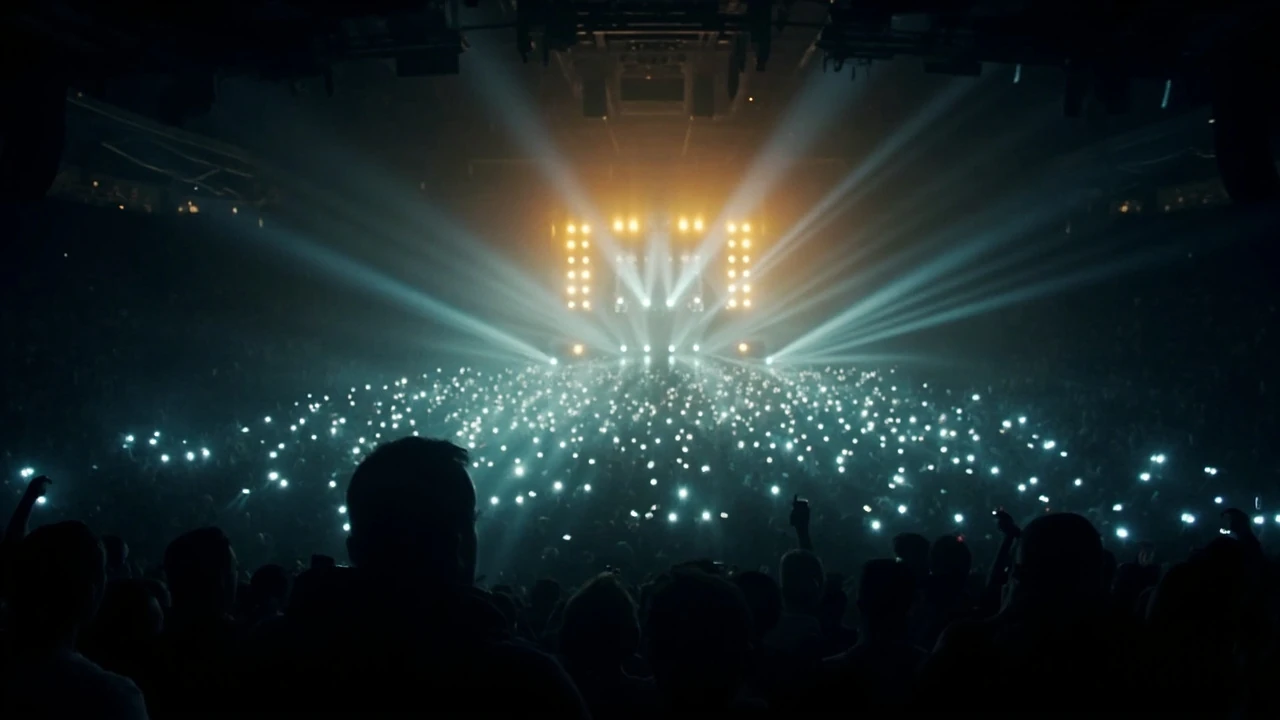
Tate McRae tickets: a calmer way to plan a night out around a tour stop
Scoring Tate McRae tickets has become its own little sport. The 2025 Miss Possessive Tour sold out within minutes in several cities, and resale prices jumped before the opening acts even walked on stage. If you tried to grab seats and came away empty-handed, or if you are quietly dreading the queue for the next tour, the situation is not in your head. Demand for pop tours built around a short, choreographically tight set has grown faster than primary ticket supply, and a few resale habits have made the whole process feel more expensive than it should.
This guide walks through the practical side of buying Tate McRae tickets: where to look first, how to read a seat map, what price tiers usually mean, when resale is a reasonable option, and how to reduce the chance of getting stuck with a fake or unusable code. The goal is to replace guesswork with a short, repeatable routine you can use for this tour and the next one.
Why Tate McRae tickets sell out so quickly
Before getting into tactics, it helps to understand the mechanics. A modern pop tour has a small number of inventory pools, and most of them are not equal.
The three pools most fans actually touch
- Artist and promoter presales. A short window, usually 24 to 72 hours, opened to fans on an email list, fan club, or specific credit card. Inventory here is small but priced at face value.
- General on-sale. The main public release, opened by Ticketmaster, Live Nation, AXS, or a regional vendor. This is the largest face-value pool, but high-traffic queues can still clear premium seats in under a minute.
- Verified resale. Same platforms, second wave of inventory, often priced higher than face value once a show starts trending.
For a tour built on a single, fast-moving album cycle like Miss Possessive, the general on-sale can behave like a presale because the demand curve is steep from the first second the queue opens. That is why fans who plan the routine below usually walk away with seats while others do not.
The short routine that beats the queue
Most ticket headaches come from last-minute decisions: which device to use, which tab to refresh, which seat section to aim for. Fix those in advance and the difference is enormous.
One hour before the on-sale
- Open the venue map and screenshot the sections you would actually accept. Include a stretch goal section, a realistic section, and a fallback in the upper tier.
- Sign in to the ticketing account, store your payment method, and turn off any extra security prompts that require a one-time code.
- Decide whether you want a single seat, a pair, or a small block. Buying more than four together usually forces you into the most expensive sections.
- Pick one device. A laptop on a wired connection is more stable than a phone on cellular. If you use a phone, switch to Wi-Fi and close every other app.
Two minutes before the on-sale
Be on the event page, not the artist’s main page. The queue starts when the platform is ready, and refreshing the artist page burns time. Have the screenshot of the venue map open in another window so you can pick a section in two clicks.
When the queue opens
Do not skip the queue for a “better deal” elsewhere. The first batch of seats that loads is usually the best-priced inventory you will see all night. If your chosen section is already grey, jump to the next section on your list rather than restarting.
| Step | What to do | Why it matters |
|---|---|---|
| Account setup | Sign in, save payment, disable extra codes | Removes 15-30 seconds of friction at checkout |
| Map study | Screenshot 2-3 acceptable sections | Forces a fast decision under queue pressure |
| Device choice | Laptop on wired, or phone on Wi-Fi | Stable connection prevents a dropped session |
| Queue entry | Stay on event page, do not refresh | Refreshing can send you to the back of the line |
| Section pick | Use fallback list in order | Keeps you moving when a section is already taken |
Reading a Tate McRae seat map without overpaying
Seat maps are designed to upsell, not to inform. The labels in small text are usually the ones that matter most. Knowing how to read them saves real money, especially on resale. To place this section in context, the Tate overview offers a concise background reference.
Section names that usually cost less
- Upper tier / 300 level. Far from the stage but with full sightlines. On a choreographed pop set, you actually see the formations better from mid-upper than from behind a sound tower in the lower bowl.
- Side sections (100 level). Angled views at a discount. Acceptable for a show that is heavy on lighting and screen content.
- Standing / GA behind seats. Often released separately and priced lower than the closest reserved sections.
Section names that often cost more than they should
- Floor / pit. A premium only worth paying for if you are near the front third. The back of the floor is almost always a worse experience than lower-bowl reserved seats at half the price.
- “Premium” and “VIP” blocks. Some include a small merch item or early entry. Many do not. Read the fine print before paying the markup.
| Section type | Typical price band (USD) | Best for | Watch out for |
|---|---|---|---|
| Upper tier (300s) | $55-$110 | Fans who care about full stage view | Very back rows can feel distant for ballads |
| Lower bowl sides (100s) | $95-$180 | Balanced sound and view | Some seats are behind a sound tower |
| Lower bowl center (100s) | $160-$260 | Mid-price sweet spot | Limited inventory, sells out fast |
| Floor front third | $260-$450+ | Fans who want proximity | Standing only, sightline issues if tall people move |
| Floor back | $180-$260 | Energy and atmosphere | Often a worse view than lower bowl at the same price |
Those numbers are typical ranges for a 15,000 to 20,000 seat arena tour in North America. Smaller European arena dates and festival slots can shift these bands significantly, but the relative ranking between sections is fairly stable.
Primary vs resale for Tate McRae tickets
Primary sales are the cleanest way to buy. You pay face value, get a guaranteed ticket, and the transfer or refund policy is clear. The catch is inventory. For a tour where demand is high and the on-sale is short, primary supply is not always enough.
When resale is reasonable
- The show is in two to four weeks and the resale price is within roughly 30 percent of the original face value.
- The platform offers a money-back guarantee if the ticket does not scan or is duplicated.
- The seats are in a section you actually chose, not an “or similar” alternative you cannot verify.
When to walk away from resale
- The price has doubled or more in the final week. At that point, you are usually paying for the hype, not the seat.
- The seller asks you to pay through a method outside the platform. Any off-platform deal is a scam, regardless of how convincing the listing looks.
- The seats are in an unspecified section marked as “best available.” That label almost always means the least desirable seat the platform can match you to.
Resale is a tool, not a strategy. If you cannot get Tate McRae tickets at a price you are comfortable with during the primary on-sale, it is reasonable to wait for the second week, when prices often settle. Holding out for the final 48 hours is risky: prices can drop again, but they can also spike if the artist adds dates or makes a surprise appearance nearby.
Spotting and avoiding fake ticket scams
Ticket scams have become more sophisticated. A listing that shows a real PDF with a real barcode can still be a copy, and a “screenshot only” sale can be a freshly bought ticket the seller never had. The single best protection is to use a platform that holds payment until the ticket scans, and to refuse any deal that moves off that platform.
Common red flags
- Sellers who insist on payment through Zelle, Venmo, Cash App, or crypto before sending the ticket.
- Screenshots with no order number, or order numbers that do not match the platform listed on the ticket.
- Prices that are dramatically below the going resale rate. If the deal looks too good, the ticket usually is not real.
- Sellers who refuse to talk on the platform’s in-app messaging and move the conversation to text or email.
If you are buying resale, take a screenshot of the listing, the seller profile, and any messages. If the ticket turns out to be invalid, you will need that trail to file a claim and recover your money through the platform or your card issuer.
Timing the secondary market
Resale prices for pop tours tend to follow a fairly predictable curve once a show is announced. Another relevant reference is the mcrae signs first major brand deal, which adds context without changing the practical guidance here.
| Window | What usually happens to resale prices | What to do |
|---|---|---|
| On-sale day to week 1 | Sharp spike above face value | Skip unless you are okay paying a premium |
| Weeks 2-3 | Slowly drift down as listings build | Set a target price and watch daily |
| Final 7-10 days | Two-way movement, often lower for non-final shows | Best window for last-minute deals |
| Day of show | Last drops from casual sellers | Risky but often cheapest, especially for weeknight dates |
Weeknight shows in cities with multiple arena options tend to be the easiest to discount. Saturday nights and tour openers are the hardest. If you have flexibility, a Tuesday or Wednesday date in a major city is often the friendliest point on the resale curve.
Travel, hotels, and the rest of the night
Once the tickets are sorted, the rest of the trip matters too. A tour stop is often the cheapest moment to do a short break in a city you would not visit otherwise, especially if the show is on a weeknight.
Simple checklist for a tour trip
- Book refundable or flexible-rate hotels until tickets are in hand. Once the show is confirmed, switch to a cheaper non-refundable rate.
- Check the venue’s transit options before paying for parking. Most arenas are on a rail line, and a round-trip pass is usually cheaper than event parking.
- Plan to arrive 60-90 minutes before doors if you have reserved seats, and 2-3 hours before if you have a floor ticket and care about the front.
- Eat before you arrive. Arena food prices for tour nights are usually marked up beyond the normal event premium.
For a longer stay, a useful frame is to treat the show as one anchor event inside a two- or three-day city break. That shifts the cost of travel from “just for the concert” to “a short trip that happens to include a concert,” which is closer to how most fans actually plan it.
What to do if the show is sold out
Sold out does not mean unavailable. It means the easy inventory is gone. A few habits help.
- Watch the official platform’s resale tab instead of third-party marketplaces. Verified resale protects the buyer.
- Check the artist’s social media around soundcheck time. Surprise contests, promo drops, and last-minute radio station giveaways often surface a small number of tickets in the final 24 hours.
- Ask the venue box office directly. They sometimes hold back a small block of production holds that release in the final week.
- For fans who are flexible on city, look at later legs of the tour. Miss Possessive-style runs often add second nights in major markets once the first night sells out.
If none of those produce a seat, it is healthier to skip the show than to overpay. The next tour cycle will come, and the routine you build for this one transfers cleanly to the next.
Refunds, transfers, and reading the fine print
Most arena tours are non-refundable, with a narrow exception list that usually includes cancelled or rescheduled shows. Tickets that were bought through the platform are also usually non-transferable through email or screenshot: transfers must go through the platform’s own transfer tool, which voids the original barcode and issues a new one.
That transfer rule is the reason so many “PDF” sales fail at the gate. A PDF is just a rendering of a barcode. The barcode itself is the ticket, and once it has been scanned or voided, the PDF is worthless. If a seller sends you a PDF, the first thing to do is check whether the platform supports PDF resale at all. If not, the ticket cannot be legally transferred, and the sale should not go through.
Frequently asked questions
When do Tate McRae tickets usually go on sale?
For arena tours in North America, the general on-sale is typically 6 to 10 weeks before the first show, with presales running in the 1-2 weeks before that. European and UK dates tend to open slightly later, and Oceania legs often run on a separate timeline because of routing.
How much do Tate McRae tickets cost on average?
Face value for arena shows in 2025-2026 has ranged from about $55 USD in the upper tier to $250-$300 USD for closer lower-bowl and front floor seats, depending on the city. Smaller venues and festival slots can be cheaper, and larger arenas in expensive markets can push face value above that range.
Are verified resale tickets safe to buy?
On the official platform, yes. Verified resale holds payment until the ticket scans at the door, and the platform refunds you if there is a problem. Resale on third-party sites is harder to guarantee. Use the platform’s in-app tools and avoid moving the conversation off the platform.
Can I get a refund if the show is cancelled or rescheduled?
For cancellations, the platform issues an automatic refund to the original payment method. For reschedules, refunds are usually available only for a short window after the new date is announced, and policies vary by platform. Read the email from the platform rather than relying on social posts.
Is it cheaper to buy for a weeknight show?
Often, yes. Resale prices for Tuesday, Wednesday, and Thursday shows tend to be lower than Friday and Saturday dates, especially in cities with several arena options. The difference can be 20-40 percent on the secondary market, and primary inventory for weeknights also tends to last longer.
What is the difference between floor seats and lower bowl?
Floor seats are standing, unreserved within the section, and closer to the stage. Lower bowl seats are reserved, seated, and elevated. For choreographically heavy shows, lower-bowl seats in the front half are often a better experience than the back of the floor at the same price.
How do I avoid ticket scams?
Use the official platform, never pay outside it, never accept a screenshot as proof of a valid ticket, and be skeptical of prices that are far below market value. If a deal feels off, walk away. Another round of resale inventory is usually a day or two away.
Can I transfer Tate McRae tickets to a friend?
Yes, but only through the platform’s own transfer tool. The original barcode is voided and a new one is issued to the recipient. Forwarding a PDF, screenshot, or email confirmation is not a valid transfer and the ticket will fail to scan at the door.
Do VIP packages include anything worth the price?
Sometimes. Some packages include early entry, a small merch item, and a dedicated check-in. Others are mostly a premium seat with a lanyard. Read the package detail page before paying the markup, and compare the seat section and perks against buying a standard ticket and a piece of merch separately.
What is the best time to buy resale tickets?
For most arena tours, the best window is 7 to 14 days before the show, when casual sellers start listing and prices begin to settle. Buying on the day of the show is cheaper on average but riskier, especially if the venue is small and inventory is tight.
Buying Tate McRae tickets is not really about luck. It is about having a small, repeatable routine: study the map before the on-sale, sign in early, pick two or three acceptable sections, and stay on the event page when the queue opens. If you miss the primary round, give the resale market a few days, set a target price, and avoid any deal that pulls you off the platform. A tour is supposed to be a good night, not a small financial decision you regret in the Uber on the way home.
Related reading
Explore High Ropes Adventure
Trip tools
Essential adventure planning guides
Use these practical guides to compare rope park activities, prepare for a first high ropes day, check a booking, choose suitable footwear and contact the editorial team. Each page links to the relevant live tools and current planning sections.
Latest articles
- Tate McRae tickets: how to find, compare, and buy seats without the stress
- Tame Impala tickets: how to find them, what they cost, and what to know before you buy
- Outdoor pillows: how to choose the right ones for a deck or trail rest stop
- How to find Morgan Jay tickets without overpaying
- How to find national parks near me: a practical local search guide
- Paylater travel: how buy now, pay later works for trip bookings
- Bagsmart Blast Travel Backpack: A Practical Review for Day Trips and Adventure Days
- How to choose an outdoor rocking chair that actually lasts
- Indiana travel advisory map: how to read it before a day trip
- How to plan an outdoor day around a concert stop: a cardi b tickets field guide