Choosing an outdoor bench that actually lasts
Choosing an outdoor bench that actually lasts
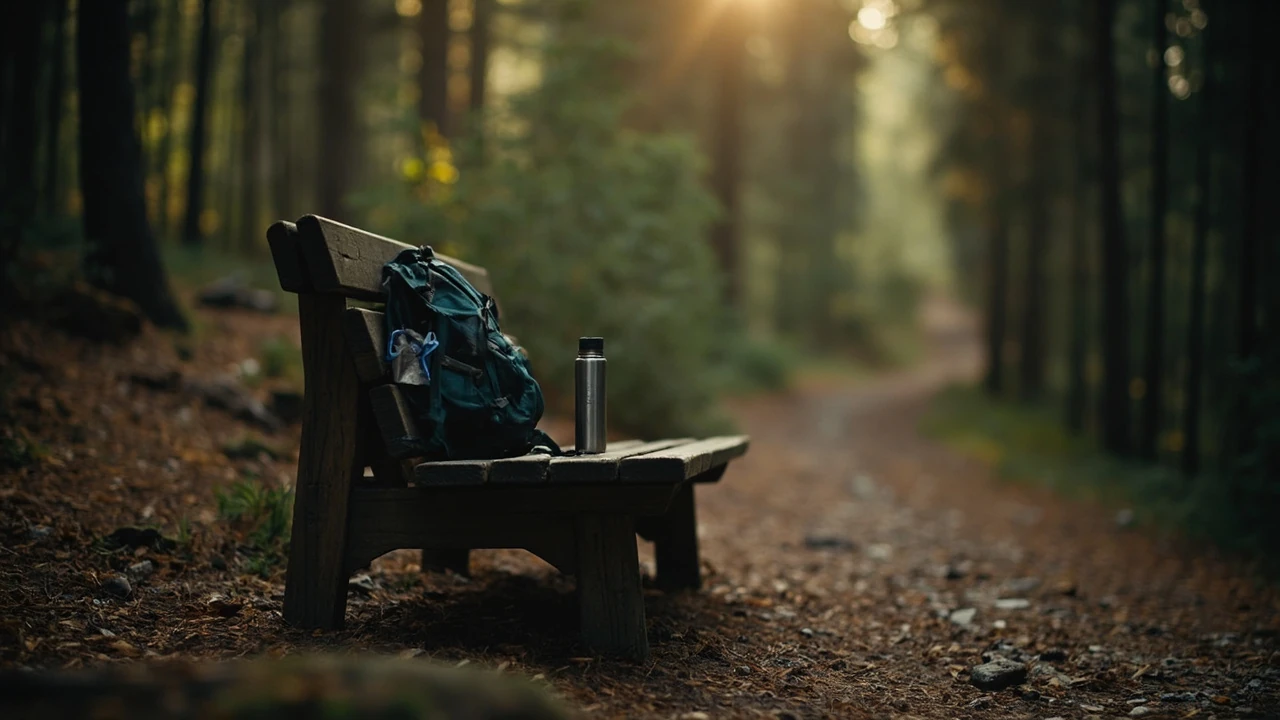
A visitor walks the loop trail at a forest park, reaches the viewpoint marked on the map, and finds a bench so badly rotted that one plank bows under a hand. That is the moment most people start thinking seriously about what an outdoor bench is supposed to be, and why the cheap one in the garden centre never lasted more than two winters. The truth is that outdoor seating fails for predictable reasons, and almost all of them can be checked before you place an order or build one yourself.
This guide focuses on a single decision: which outdoor bench suits a specific place, climate and use, and how to keep it serviceable for years. It draws on the same logic used by visitor sites, nature reserves and small parks, where seating is expected to handle rain, sun, boots, prams and the occasional teenager without constant repair. If you are planning a garden corner, a glade on a private property, a rest stop on a walking loop, or seating near an adventure park, the same framework applies.
What counts as an outdoor bench
An outdoor bench is any multi-seat, backless or backed structure fixed or placed in open air, designed to be sat on repeatedly through weather and seasons. The definition sounds simple, but it covers a wide range of objects, from a 1.2 metre teak garden seat to a 3 metre recycled-plank installation in a city square, and from a folding aluminium camp stool to a fixed concrete perch at a viewpoint.
For practical purposes, outdoor benches fall into three broad groups:
- Domestic benches, used in gardens, patios and balconies, where aesthetics often lead and weather is moderate.
- Site benches, used in parks, trails, schools and visitor attractions, where durability and low maintenance dominate the decision.
- Commemorative or feature benches, often donated or made by a community group, where a personal message or design is part of the object.
Each group puts different stress on the same components: the frame, the seat and back slats, the fixings, and the foot or anchor. Understanding those components is more useful than memorising model names, because manufacturers reuse the same vocabulary for very different quality levels.
Common outdoor bench materials and how they actually age
Material choice is the single biggest predictor of how an outdoor bench performs. The table below compares the most common options on the criteria that matter in real use: weight, maintenance, expected service life in temperate climates, and the kind of failure to expect near the end of that life.
| Material | Typical weight (2 m bench) | Maintenance level | Realistic service life | Common end-of-life failure |
|---|---|---|---|---|
| Softwood (pine, spruce), untreated | 25 to 35 kg | High | 3 to 6 years | Soft rot at the ground contact, splintering on the seat |
| Softwood, pressure-treated | 30 to 40 kg | Moderate | 8 to 15 years | Checks and shakes along the grain, fastener stains |
| Hardwood (oak, beech, ash) | 45 to 60 kg | Low to moderate | 15 to 30 years | Surface checking, occasional joint loosening |
| Tropical hardwood (teak, iroko, eucalyptus) | 50 to 70 kg | Low | 20 to 40 years | Greying surface, rare structural failure if drained |
| Recycled plastic lumber | 45 to 65 kg | Very low | 20 to 35 years | UV fading, occasional sag on long unsupported spans |
| Galvanised or powder-coated steel frame, with wood slats | 35 to 55 kg | Moderate | 10 to 20 years | Coating failure at welds, wood slat replacement |
| Cast iron ends with wood slats | 55 to 80 kg | Low | 25 to 50 years for the frame | Slats replaced several times over the life of the frame |
| Aluminium, powder-coated | 20 to 30 kg | Low | 15 to 25 years | Coating chips, bending on heavy impact |
| Concrete (cast or precast) | 120 to 200 kg | Very low | 30 to 50 years | Spalling in freeze-thaw climates if not sealed |
The numbers above describe typical performance, not guarantees. A softwood bench kept under a roof in a dry region can outlast an untreated tropical hardwood bench left in a wet valley. What the table does show clearly is that frame and slat materials age in different ways, and that the ground contact zone is where most outdoor benches die first.
Frame, slats, fixings: where benches really fail
Outdoor bench marketing tends to lead with the wood species or the colour, while the components that actually determine lifespan are quietly glossed over. Three areas deserve a closer look.
Frame and joinery
The frame is the skeleton that holds slats in place and keeps the geometry of the seat. In cheaper benches, the frame is a flat-pack assembly of thin sections held by short screws, which works fine on a flat showroom floor and poorly after a year of wet-dry cycling. Better frames use thicker sections, mortise-and-tenon or welded construction, and through-bolts rather than screws at load-bearing joints. If a bench has visible screws at the end of every slat, that is a sign the design is meant to be assembled by the buyer rather than engineered for decades of use.
Slats
Slats carry the load and take the most weather. The two practical questions are thickness and drainage. Slats under about 20 mm thick on a 2 metre bench will bow visibly after a few seasons, especially in softwoods. Slats with cupped or grooved faces shed water; flat-faced slats hold a film of water that accelerates surface decay. End-grain sealing, even on expensive hardwoods, adds measurable life because water enters wood much faster along the grain than across it.
Fixings and ground contact
Steel fixings are the silent killer of outdoor benches. Standard zinc-plated screws corrode within a few seasons in acidic or coastal conditions, leaving black stains on the wood and a joint that no longer holds. Stainless steel or hot-dip galvanised fixings cost more upfront and prevent most of the streaking and joint failure seen on cheaper benches. Where the bench meets the ground, raised feet, rubber pads or a stone plinth keep the end grain out of standing water and slow rot dramatically. A bench sitting directly on soil or turf will rarely reach half its potential service life.
Sizing and dimensions that matter in real use
Outdoor bench dimensions are not a matter of taste. They affect comfort, accessibility and the way people actually use the seat, including who can sit on it and for how long.
| Dimension | Typical range | What it controls |
|---|---|---|
| Seat height | 40 to 48 cm | Whether most adults can place feet flat on the ground; 45 cm is a reliable default |
| Seat depth | 35 to 50 cm | How far the seat extends under the thigh; shallower benches read as more upright |
| Backrest height (above seat) | 25 to 50 cm | Whether the bench supports a relaxed posture or only a quick stop |
| Backrest angle | 5 to 15 degrees from vertical | Trade-off between upright support and lounging comfort |
| Armrest presence | Yes or no | Armrests help users stand up and define personal space, but reduce usable seat length |
| Length per seated adult | 55 to 65 cm | How many people actually fit at one time |
| Gap between slats | 5 to 12 mm | Drainage and how easily small items (keys, coins) fall through |
| Clearance in front | 90 to 120 cm | Space for legs, prams, dogs and walking poles without crowding the path |
A useful quick test before buying or building: sit on the bench, place feet flat on the ground, and slide fingers under the front of the seat. If fingers do not fit, the seat is too low or too deep for most adults. If a second person cannot sit without shoulders touching, the per-person length is too tight for the intended use.
Placement decisions that decide how long a bench lasts
Where an outdoor bench is placed has as much effect on its life as the material it is made from. Three placement factors deserve a deliberate decision.
Orientation and sun
Full south-facing sun in temperate climates bakes a bench every summer afternoon and soaks it with every passing shower. A spot with morning sun and afternoon shade, or open sky but backed by a hedge, ages more slowly. A north-facing site under tree drip is even gentler on the wood but keeps the seat damp, which can be uncomfortable and encourages moss. The most common durable placement is along a path on the sheltered side of a tree line, where the bench gets light but not constant rain.
Ground and drainage
Standing water is the enemy. A bench placed in a low spot where puddles form after rain will sit in moisture for hours after every shower, even if the bench itself is made from a durable species. A slight camber of the ground away from the bench, or a small gravel pad under the feet, extends life noticeably. For permanent installations, a stone or concrete plinth that lifts the wooden feet out of the splash zone is worth its cost many times over.
Use pattern
A bench at the end of a busy trail will be climbed on, jumped over, and used as a picnic table. A bench in a quiet reading corner of a garden is rarely sat on. Matching the bench to the use pattern prevents disappointment: thin slats and a delicate frame make sense in the second setting, but a robust frame and through-bolted slats pay off in the first. For visitor sites, it is common to combine a robust main bench with a small, separate stool for children, so the main structure is not used as a climbing frame.
Care routines that actually move the needle
Maintenance is where most outdoor benches either reach their full potential or fall years short of it. A small, regular routine does more than an annual deep restoration.
- Spring: brush off winter debris, check for soft spots with a screwdriver, rinse with water, let dry fully, then apply a wood treatment if the surface is dry and absorbent.
- Summer: clear sap, bird droppings and leaf stains promptly, because they hold moisture against the surface.
- Autumn: clear leaves from the seat and the gaps between slats, because wet leaves mat down and keep slats damp for weeks.
- Winter: in regions with heavy snow, avoid using metal shovels on timber seats; a soft brush is enough. Salt and grit from paths will mark the wood, so a quick rinse in early spring helps.
On oiled hardwoods, a single maintenance coat of hardwax oil or a similar product every one to three years keeps the surface from going grey and slows surface checking. On painted or stained softwoods, expect to recoat the exposed surfaces every three to five years. On metal frames, touch up chips in the coating as soon as they appear, because corrosion starts at the break in the film.
Repair versus replacement: a short decision guide
Not every weathered bench is a write-off. Some patterns are worth repairing, others signal that replacement is the better call.
- Replace slats if the frame is solid: most timber benches can be re-slatted with new planks for a fraction of the cost of a new bench, and the work is straightforward for a competent DIYer.
- Replace the whole bench if the frame is bent, the joints are loose at every corner, or the ground-contact feet have rotted through.
- Re-tighten fixings if screws have loosened but the wood is still sound; in many cases the existing screws can be replaced one size up, or the holes plugged and re-drilled.
- Re-coat rather than replace if the surface is grey and slightly rough but the wood is still hard when pressed with a fingernail.
For visitor sites, a rolling programme of bench inspection every spring, with a simple pass, repair or replace decision per bench, keeps the network of seating serviceable without sudden large costs.
Accessibility and shared use
An outdoor bench is part of a path, not an object on its own. A bench that excludes part of the audience is a partial loss, even if it is beautifully made.
For wheelchair users and people who need a stable surface to rest a stick or crutch, a bench with a higher seat, a firm backrest, and an armrest that runs the full length is far more usable than a low, backless plank. Where space allows, providing a bench with a clear adjacent hard surface of at least 90 by 120 cm lets a wheelchair pull alongside, so the bench becomes a resting place for a companion rather than an obstacle.
For families, a bench that comfortably seats two adults with a small child between them is more useful than one that nominally seats three adults but forces everyone to balance. For sites that welcome dogs, a bench with a clear space beside the seat for a lead and a water bowl is a small but appreciated detail.
Cost versus lifespan: thinking in years, not stickers
It is tempting to compare benches by their purchase price, but the fairer comparison is annualised cost over a realistic lifespan, including a sensible allowance for maintenance. The table below uses conservative estimates and is meant for thinking, not as a quote.
| Bench type | Indicative purchase | Indicative annual care cost | Expected lifespan | Approximate cost per year |
|---|---|---|---|---|
| Untreated softwood, domestic | Low | Low | 4 years | High annual cost once replacement is included |
| Pressure-treated softwood | Low to moderate | Low | 12 years | Moderate |
| European hardwood | Moderate to high | Low | 22 years | Low to moderate |
| Recycled plastic lumber | Moderate to high | Very low | 28 years | Low |
| Cast iron frame, hardwood slats | High | Low (slats replaced once or twice) | 40 years for the frame | Low over the long term |
| Concrete | High | Very low | 40 years | Low, but limited comfort |
None of these numbers are quotes. They illustrate the principle: a more expensive bench with low annual care can match or beat a cheap bench once the replacement cycle is included. For a single garden seat, the difference rarely matters. For a site that maintains dozens of benches, the lifetime cost is the figure that should drive the specification.
Common mistakes when choosing an outdoor bench
A few patterns come up again and again, in gardens and at visitor sites. They are worth naming, because avoiding them is easier than fixing them afterwards.
- Choosing the bench for the photo, not the location. A delicate painted bench looks right in a catalogue, but a forest clearing is a different climate from a balcony.
- Underestimating slat thickness. Thin slats bow and then split; the saving on material is paid back in early replacement.
- Letting the bench sit on turf. Direct ground contact is the fastest route to rot at the feet, even on durable species.
- Skipping armrests in places where older visitors or parents with small children use the bench. The armrest is what lets someone stand up again.
- Ignoring wind. A lightweight aluminium bench in an exposed spot is a maintenance problem the first time a storm passes through; either anchor it or choose a heavier bench.
A short checklist before you decide
Before placing an order, walk through this list against the spot you have in mind. It catches most of the decisions that would otherwise come back as regret.
- Who will use the bench, and how many at once.
- How much direct weather the spot gets, especially winter wet and summer sun.
- Whether the ground stays dry or forms puddles after rain.
- Whether the bench needs to be anchored against wind or frequent use.
- What level of annual care is realistic for the owner or maintenance team.
- Whether the bench needs to be accessible to people with limited mobility or wheelchair users nearby.
- What the bench will cost over its expected life, not just on the day it arrives.
With those questions answered, the choice of material, frame and finish usually becomes clear. The bench that suits the spot is almost always the one that quietly does its job for a long time, rather than the one with the most striking first impression.
Frequently asked questions
How long should an outdoor bench last?
A well-chosen outdoor bench in a temperate climate should last at least 10 to 15 years, and a robust hardwood or recycled-plastic bench often reaches 25 to 30 years. The main limit is rarely the material itself, but how the bench is placed and whether it is lifted off damp ground.
Which material is best for an outdoor bench?
For most domestic and light commercial settings, a dense hardwood such as oak, or a recycled plastic lumber, gives the best balance of longevity and low maintenance. Tropical hardwoods such as teak last longer but raise sourcing questions. Softwoods are acceptable when the budget is tight, but only if pressure-treated and kept off wet ground.
Should an outdoor bench be anchored?
Anchoring is worth doing whenever the bench sits in a public space, near a slope, or in a region with strong winds. Anchors can be as simple as ground screws on a soft surface or bolt-down plates on a paved area. For a single bench in a sheltered garden, anchoring is usually optional.
Do I need to oil or seal my outdoor bench every year?
Not every year. On most species, a maintenance coat every one to three years is enough, and only when the surface has dried out enough to absorb oil. Oiling too often or while the wood is still damp traps moisture and can cause blackening under the film.
Can an outdoor bench stay out in winter?
Yes, an outdoor bench can stay out through winter, and most are designed to do so. The two practical precautions are to clear heavy, wet snow off the seat to avoid long periods of moisture, and to avoid using de-icing salt on or near the wood, because the salt draws moisture back out of the air and keeps the surface damp.
What is the most comfortable seat height for an outdoor bench?
For most adults, a seat height around 45 cm feels right and lets feet rest flat on the ground. Lower seats read as more rustic but are harder to get up from. Higher seats feel institutional and tip shorter users forward.
Are recycled plastic benches a good choice?
Recycled plastic lumber benches are a strong option where low maintenance and long life matter more than the look of natural timber. They do not rot, do not need oiling, and shed water easily. Their main limits are a tendency to fade under strong UV and a slightly higher purchase price, which is usually offset over the bench’s life.
What is the best way to place a bench on grass or soil?
Lift the feet off the soil using paving slabs, a gravel pad, or purpose-made ground anchors. A bench sitting on a slab lasts far longer than the same bench placed directly on turf, because the feet stay dry rather than sitting in damp ground.
How do I stop an outdoor bench from going mouldy or green?
Algae and mould on a bench are nearly always a sign that the surface stays damp. Improve airflow around the bench, clear leaves and debris regularly, and consider moving it to a spot with more direct sun for part of the day. A dilute vinegar wash or a dedicated outdoor wood cleaner removes the green film, but the underlying cause is moisture, not the surface itself.
Is it worth repairing an old wooden bench?
If the frame is solid and the damage is limited to slats, surface rot, or loose fixings, repair is almost always worth it. Replacing the slats on a sound frame is a straightforward job and extends the bench’s life by many years. If the frame itself is bent, or the joints are loose in every corner, full replacement is usually the better call.
Related reading
Explore High Ropes Adventure
Trip tools
Essential adventure planning guides
Use these practical guides to compare rope park activities, prepare for a first high ropes day, check a booking, choose suitable footwear and contact the editorial team. Each page links to the relevant live tools and current planning sections.
Latest articles
- Choosing an outdoor bench that actually lasts
- Lows adventure: how low-ropes courses work and who they suit
- outdoor couch
- United travel bank: how prepaid travel money cards actually work
- National parks in California: a practical guide to choosing your trip
- How to buy chris brown usher tickets without overpaying
- Ariana Grande tickets: how to find real seats, avoid resale traps, and plan the day around the show
- Outdoor fireplace ideas, fuel choices, and safety for a back-garden build
- Raffle tickets for fundraisers and community events
- Parks Explained: Types, Rules, and How to Plan a Visit