Organ Pipe Cactus National Monument: First-Visit Guide
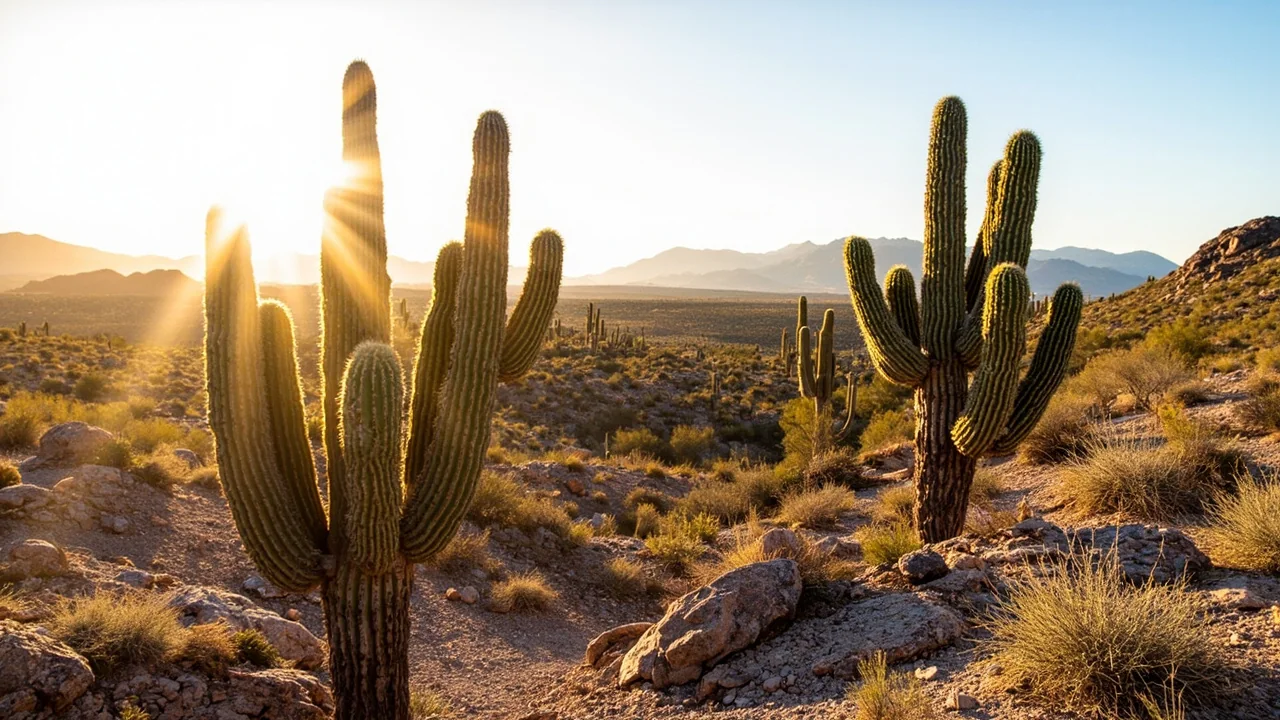
A visit to organ pipe cactus national monument can be memorable for the unexpected way its desert plants resemble a row of pipes, but the park rewards visitors who arrive prepared. The landscape is hot, exposed, and crossed by rough roads, yet its trails and viewpoints provide an accessible introduction to the plants and animal life of southern Arizona. The most important first step is deciding how much walking you want to do, if you are driving a standard passenger vehicle, and how much time you can spend in the desert without relying on amenities that are not present.
This guide focuses on the monument as a first-time destination. It explains the meaning of the unusual name, compares the main ways to experience the landscape, identifies practical concerns about heat and navigation, and outlines a simple plan for a short visit. Official park information is the final authority for road conditions, closures, permits, and visitor services; conditions can change with weather, wildfire activity, or maintenance work.
What the monument protects and why its name is unusual
Organ Pipe Cactus National Monument protects a Sonoran Desert landscape in southwestern Arizona near the U.S.–Mexico border, not on the edge of Tucson. Arizona Highway 85 leads south through Ajo and Why toward the Kris Eggle Visitor Center. The National Park Service directions describe approaches and services; allow for a substantial drive rather than treating the monument as a Tucson city park.
The monument is named for the organ pipe cactus, a different species from the saguaro. An organ pipe cactus typically has several upright stems growing from near its base; a saguaro usually has a main trunk and may develop branches higher up. Both occur in the monument. Use a ranger’s guidance or an NPS plant guide when identifying individual plants.
Look for differences in growth form rather than assuming that every tall cactus is the same species. The monument protects much more than its namesake plant: its valleys and mountains support a varied Sonoran Desert community.
The protected landscape also represents an ecosystem rather than a display of one famous plant. Saguaros share the ground with columnar and branching cacti, palo verde trees, ocotillo, creosote bush, desert broom, grasses, small flowers, and seasonal changes in color. Bird activity, reptiles, insects, and mammals add movement to a landscape that can otherwise seem still.
| Feature | What visitors see | Best way to notice it |
|---|---|---|
| Tall organ pipe and saguaro cacti | Columnar cactus groups with varying heights and branching forms | View a cluster from an open area before approaching on foot |
| Low desert plants | Shrubs, grasses, flowering perennials, and young cacti | Look along the ground rather than focusing only on tall plants |
| Rocky slopes | Exposed stone, gravel, and plants rooted in narrow spaces | Follow marked trails and avoid forcing a route through dense cactus |
| Desert wildlife | Birds and small animals using cover, shade, and water sources | Scan quietly near shrubs and keep a respectful distance |
How to choose the right route for your visit
The monument is often described through its scenic drive, but the paved and unpaved portions of the route should not be treated as equivalent visitor experiences. The visitor center provides orientation, while nearby trails offer a slower view of the vegetation. If your visit is limited to a short stop, the visitor center area and a nearby trail are more practical than planning to cover the entire backcountry road.
Visitors with limited mobility can still experience the landscape from accessible areas around the visitor center, although the exact openness of paths and facilities should be checked before arrival. People who want to understand the park at walking pace should choose a signed trail rather than improvising a shortcut between cactus stands.
Backcountry driving adds another set of requirements. Drivers may need to manage washboard surfaces, sharp stones, dust, and sections where vehicles need to proceed slowly. A high-clearance vehicle can be advantageous, but the more important preparation is to check current conditions and avoid making the drive part of the itinerary if the driver lacks suitable experience. The official National Park Service information for the monument is the appropriate place to confirm access, road notices, and service availability.
| Visit style | Best fit | Typical priorities | Main limitation |
|---|---|---|---|
| Visitor center stop | Families, short visits, travelers with limited time | Orientation, exhibits, nearby scenery, and an easy introduction | Less immersion in the wider landscape |
| Signed walking trail | Day visitors and first-time walkers | Close observation of cactus, shrubs, geology, and wildlife | Heat and distance from services |
| Scenic backcountry drive | Experienced drivers with suitable vehicles | Longer views of the desert and cactus stands | Road conditions can limit access or slow progress |
| Combined visit | Visitors with several hours | Visitor center, a walk, and a partial drive | Requires more planning and a larger water reserve |
For most first-time visitors, a combination works well: arrive early, use the visitor center, take one marked trail, and leave enough time to return before the strongest afternoon heat. Avoid trying to complete every road and trail in one visit.
When to arrive and what to carry
Early morning can be a useful time of day for a desert walk, especially in hot weather. The monument is open at night, but a walk after dark requires its own preparation and awareness of conditions. Check the NPS safety guidance before setting out, and avoid strenuous activity during the hottest part of the day.
Spring and autumn are often comfortable for longer walks, while winter offers mild daytime conditions but cold mornings and nights. Summer can still work for a brief visitor-center stop or a very short walk, but it demands stricter limits on time, shade, and exertion. A visitor who begins a hike in unsuitable weather may need to retrace the route rather than continuing to a distant destination.
Desert temperatures can feel deceptive. A breeze may make exposed ground seem comfortable, while exertion in direct sun produces much faster fluid loss than a casual walk suggests. Keep water available from the beginning of the visit rather than waiting until thirst appears.
- Carry more drinkable water than you expect to use, plus a small reserve for the return journey.
- Wear sturdy closed-toe shoes with good traction on loose gravel and rocky ground.
- Use a wide-brimmed hat, sunscreen, sunglasses, and light-colored clothing that covers exposed skin.
- Carry a charged phone, a paper map or downloaded offline directions, and a spare power source.
- Bring a small first-aid kit and any personal medication; the park is not a substitute for an emergency kit.
- Pack out food wrappers, tissues, and other waste because there are few convenient disposal points.
Before leaving, check whether personal drinking water, restrooms, shade, or visitor services are available at the visitor center. Do not assume that every facility shown on an old map or photograph remains open. Cell service can also be inconsistent, so do not depend on a phone call as the only way to report a problem.
Reading the Sonoran Desert landscape
A short trail reveals that a desert is not an empty environment. It is a structured community adapted to low rainfall, high temperature, intense sunlight, and competition for water. Plants occupy different spaces and use different strategies. Saguaros store water in thick stems, while smaller shrubs and annual plants complete much of their growth during favorable moisture periods.
Desert plants often occupy distinct layers. Tall cacti and small trees create the upper layer; shrubs occupy the space below; grasses, herbs, and seedlings grow close to the soil. Rocks, drainage channels, and changes in elevation influence which plants can establish themselves. A change in soil or water flow can therefore produce a very different plant community within a short walk.
Seasonal color can be subtle but striking. After adequate rain, annual wildflowers may appear in open patches, adding yellow, white, purple, or red beneath the more permanent shrubs and cacti. The timing is not predictable enough to guarantee a particular display, and a dry spell can end a bloom quickly.
Wildlife watching benefits from slowing down. Many animals remain close to cover and become less visible when a visitor moves directly toward them. A quiet pause near a shrub may reveal a bird moving between branches, while looking along the ground can reveal tracks or the movement of a small reptile.
Observation should remain nonintrusive. Do not move rocks to expose animals, cut plants, dig around cactus roots, or attempt to approach wildlife for a closer photograph. Human feet can damage fragile seedlings and disturb the dry surface that helps plants establish.
| What to observe | Clues to look for | Why it matters |
|---|---|---|
| Cactus shape and age | Trunk width, scars, arms, ribs, and damaged areas | Shows how a cactus changes over many years |
| Plant spacing | Open ground beneath large specimens and crowded growth near runoff zones | Reveals relationships between water, soil, and vegetation |
| Wildlife cover | Shrubs, cactus bases, rocks, and shaded ground | Shows how animals use the structure of the habitat |
| Seasonal plants | Short-lived flowers, grasses, and seedlings after favorable weather | Highlights the desert’s rapid response to moisture |
How to recognize the namesake cactus
The namesake cactus has multiple columns that can suggest the pipes of a musical organ. The comparison is a way to remember the plant’s form, not a reason to identify every columnar cactus as an organ pipe cactus.
A cluster of upright stems is only one clue. Look at where the stems branch and use the park’s plant information to distinguish organ pipe cacti from saguaros. Some views contain both species, so a silhouette alone may be difficult to interpret.
A photograph can compress distance and make separate plants appear to overlap. A wider view can show the position of a cactus within the surrounding wash, slope, and vegetation without requiring visitors to leave a designated route.
Respect the plants and their habitat: stay on designated routes where required, leave specimens in place, and photograph from a safe distance. A ranger can explain which routes currently provide suitable viewing.
Heat, wildlife, roads, and other safety considerations
Heat, rough roads, flash flooding, wildlife, and navigation all deserve attention before a remote trip. Check the current NPS alerts and conditions shortly before departure: a drive or trail that was open when you planned may later be restricted.
Heat illness can progress rapidly. If someone becomes confused, collapses, or has other severe symptoms, call 911 when possible, move the person to shade, and begin cooling while help is arranged. Consult the park’s desert safety advice before a trip and do not rely on mobile reception in remote areas.
Sudden storms can produce fast-moving water in desert channels. A dry wash may look harmless in clear weather but can flood before a distant rainstorm reaches the area. Avoid crossing flooded channels and do not drive through water of unknown depth. Local weather warnings and park instructions take priority over an itinerary.
Wildlife is generally more likely to avoid people than to confront them, but rattlesnakes and other animals can still be present. Stay on established paths, look before placing hands into rock crevices, and never try to approach, capture, or move a snake. Give birds and mammals room to leave. Most important of all, do not leave food or scented items where they might attract animals.
Tire pressure and roadside recovery equipment deserve attention for backcountry travel. Drivers should know how to repair a tire, carry a suitable spare, and avoid placing the vehicle where it blocks the narrow travel corridor. Before driving away, check that nothing is hanging from the vehicle and that the doors are closed. On remote sections, stay with the vehicle if mechanical trouble occurs rather than walking far for help in extreme heat.
- Tell a person outside the group your route and expected return time.
- Download the park map and road notices before losing service.
- Carry extra water for the vehicle as well as for people outside it.
- Inspect tires and carry the tools appropriate for the vehicle and route.
- Stay out of closed areas and obey temporary barriers or instructions.
- Turn back for worsening weather, mechanical trouble, injury, or a depleted water reserve.
Photography and a simple first-visit itinerary
The monument rewards photographs that place the cactus stands within the wider Sonoran Desert. A close image can show ribs, spines, scars, flowers, and new growth, while a wider frame can explain how the plants relate to gravel, shrubs, distant ridges, and open sky. The most convincing photographs usually work best with natural light and careful positioning rather than heavy manipulation.
Morning light can be gentle and directional. It also gives photographers time to finish before the heat rises. Midday light is harsher, but strong contrast may suit close details of cactus surfaces. Late-afternoon light is warmer and can make a familiar scene look different, provided the group has a safe return plan.
A practical two-part itinerary starts with an early arrival and an orientation stop. After checking current conditions at the visitor center, choose one signed trail that matches the group’s time and mobility. Return to the vehicle with water reserves intact, then make a short scenic drive only if road conditions and daylight support it. This is a better plan than starting with the longest possible route.
- Check official road, trail, weather, and facility information before departure.
- Arrive early enough to park, orient yourself, and begin a walk before temperatures rise.
- Carry water, sun protection, navigation tools, and suitable footwear.
- Stay on marked routes and allow time to examine plants and watch wildlife.
- Stop before heat, fatigue, or a low water reserve becomes a problem.
- Complete any drive before dark and leave the route in better condition than you found it.
Before choosing a drive, check the park’s scenic-drive information for the actual route, vehicle restrictions, and current conditions. The Ajo Mountain Drive is a one-way route, so build enough time into the day to complete it safely.
Frequently asked questions
How long should I spend at Organ Pipe Cactus National Monument?
Allow time for the drive to the monument as well as the activities you choose. A visitor-center stop and a short trail can fit into a shorter visit; a scenic drive adds substantially more time. Ask a ranger about current conditions and choose a plan that matches the group’s abilities and daylight.
Is the scenic drive suitable for an ordinary passenger car?
Conditions vary by section, and official access notices should determine whether your vehicle is suitable. Drivers should expect slow travel, dust, and possible washboard or rocky surfaces. Check current conditions, use a suitable spare tire and recovery equipment, and turn back if the road becomes impassable. Do not assume that a vehicle can continue merely because another car has passed.
Can I hike at the monument during summer?
Summer visits are possible, but exposed heat changes the calculation. Keep walks short, begin early, carry extra water, and be ready to turn back. Anyone with heat sensitivity, heart or respiratory conditions, or limited ability to handle exertion should seek current medical or safety guidance and choose a conservative itinerary.
Why are some cacti clustered while others stand alone?
Distance from a suitable seed source, local water flow, soil conditions, shade, and past disturbance all influence where saguaros establish. Mature plants also need many years to grow, so the current arrangement reflects long-term conditions rather than a single season. Do not move seeds, seedlings, or cactus pieces, since disturbing them can damage the population the monument protects.
Are there flowers and wildlife at the monument?
Yes, but wildflowers depend on rainfall and may be most noticeable after favorable weather. Desert birds, mammals, reptiles, and insects use the available vegetation and rocky cover. Visitors are more likely to notice wildlife when they move slowly and watch quietly instead of trying to approach an animal.
Can I take a photograph next to a saguaro?
Stay on the trail and keep enough distance to avoid touching the cactus or its roots. A photograph can show scale by placing a person at a safe distance in the frame. Never climb, carve, lean against, or otherwise damage a plant for a picture.
Are there facilities at the visitor center?
The visitor center is the main place for orientation, and it may provide useful maps, staff information, and visitor resources. Services and operating hours can change, so confirm what is open on the day of your visit. Do not assume that water, restrooms, shade, or fuel will be available throughout the monument.
What should I do if I encounter a snake?
Do not approach it, attempt to capture it, or drive toward it. Give the animal space to move away, retreat slowly, and follow park guidance. If a snake enters a vehicle or creates an immediate danger, contact park staff or emergency services through the appropriate local channel.
Is the monument suitable for children or visitors with limited mobility?
The visitor-center area and selected paths can provide a manageable introduction, but accessibility conditions can change and surfaces may include gravel. Check current accessibility information and request assistance if needed. Bring mobility equipment appropriate for uneven ground, and avoid treating an unmarked desert route as accessible merely because it appears level.
Explore High Ropes Adventure
Trip tools
Essential adventure planning guides
Use these practical guides to compare rope park activities, prepare for a first high ropes day, check a booking, choose suitable footwear and contact the editorial team. Each page links to the relevant live tools and current planning sections.
Latest articles
- Organ Pipe Cactus National Monument: First-Visit Guide
- Plan an outdoor day trip: timing, weather and ropes-course bookings
- Evenflo Pivot Modular Travel System: A Practical Guide for Active Families
- What a travel guard does on a high ropes course and why it matters
- Choosing an outdoor heater for patio evenings and trail-side stops
- Travel quotes that actually help you plan the next trip
- Ring outdoor camera placement and setup for adventure parks
- Blink outdoor camera: a practical guide for property monitoring
- Outdoor bar ideas: design, layout, and practical choices
- Tate McRae tickets: how to find, compare, and buy seats without the stress