How to Find a Safe Adventure Park Near You
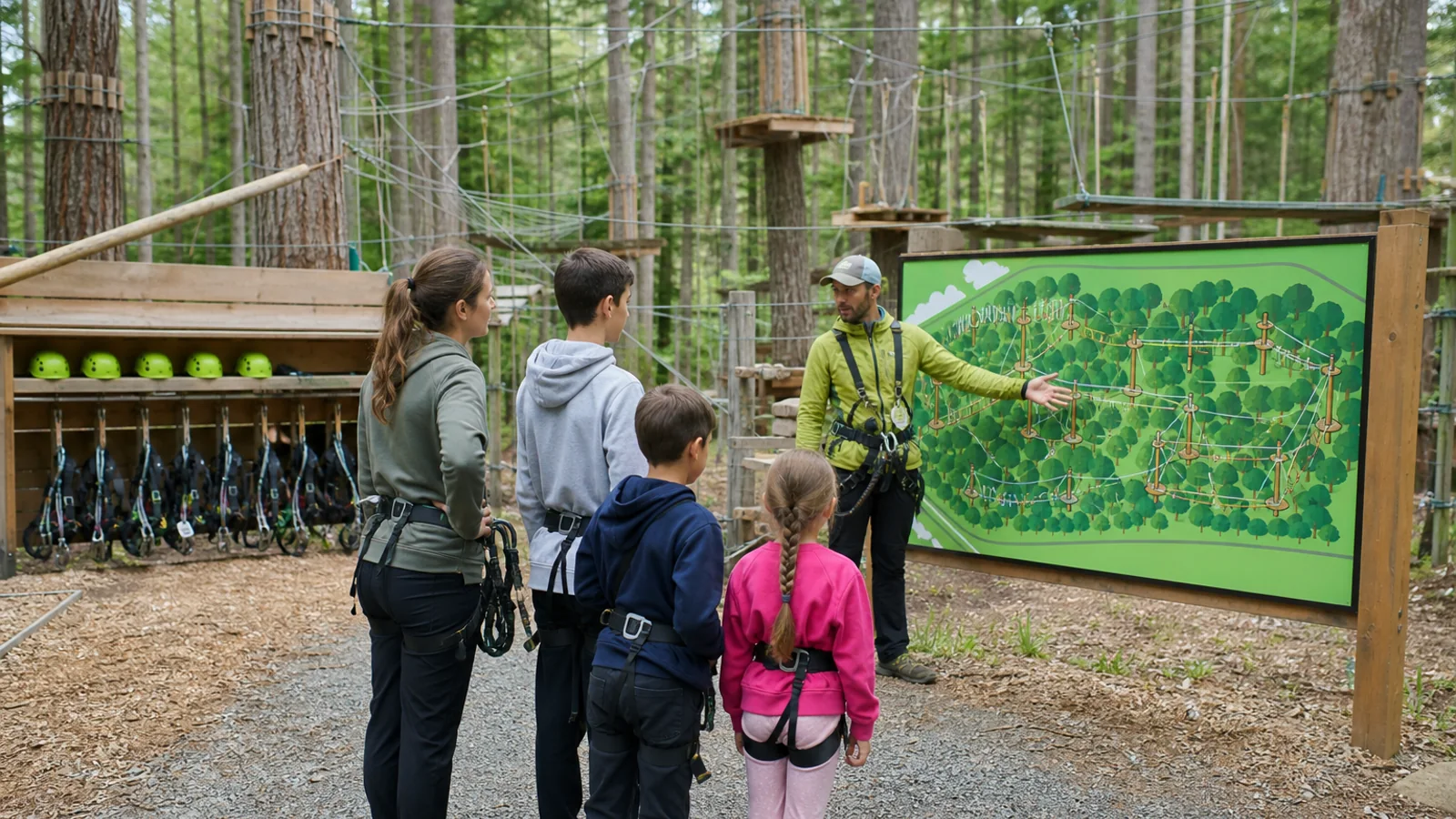
Searching for an adventure park near me produces plenty of pins, reviews and old directory pages. A useful shortlist starts with location, but the final choice needs current information from the operator.
Use a map to build a shortlist
Open the adventure park finder and move the map over the area you can realistically reach. It looks for high ropes courses and adventure climbing places recorded by OpenStreetMap contributors. A marker helps you discover a venue, but it does not confirm that the business is open or that every activity still exists.
Compare the full journey, not only the straight-line distance. A park on the other side of a river, mountain or city can take longer to reach than a place that appears farther away.
Move from the map to the official source
Open the venue website and check the date of its information. Look for opening season, session times, booking requirements, age and height rules, weight limits, adult supervision and weather terms. If a critical detail is missing, contact the operator before paying. A useful background reference is the Mega Adventure, which places this part of the discussion in context.
Be careful with search snippets. They can preserve old opening times and prices after the source page changes. Social media can be useful for same-day status updates, but the booking terms should still come from the operator.
Look for practical quality signals
A clear safety briefing, named attachment system, instructor availability, rescue arrangements and understandable participation rules are useful signs. Accreditation and inspection systems differ by country, so avoid assuming that one badge applies everywhere. Ask which local standard or inspection regime the park follows when that matters to your group.
Good pre-visit information should also explain footwear, loose items, accessibility, spectator access and what happens if a participant changes their mind after the briefing.
Read reviews for patterns, not verdicts
Recent detailed reviews can reveal repeated issues with queues, briefings, staff response or unclear rules. Separate a complaint about bad weather from a complaint about how the venue communicated the closure. One dramatic review is less useful than a pattern across several months. Readers can also consult the park book mega zipline thrills singapore for an independent source related to this section.
Photographs in reviews may show an older course layout. Use them to understand the atmosphere, not to confirm current equipment or access.
Make a final day-of-travel check
Reopen the operator page on the morning of the visit. Confirm the session, weather status and route to the correct entrance. Save the booking confirmation and contact number offline in case mobile reception is weak.
If the park information remains vague, choose another venue. A day out should not depend on guessing the rules at the gate.
Explore High Ropes Adventure
Trip tools
Essential adventure planning guides
Use these practical guides to compare rope park activities, prepare for a first high ropes day, check a booking, choose suitable footwear and contact the editorial team. Each page links to the relevant live tools and current planning sections.
Latest articles
- Outdoor pillows: how to choose the right ones for a deck or trail rest stop
- How to find Morgan Jay tickets without overpaying
- How to find national parks near me: a practical local search guide
- Paylater travel: how buy now, pay later works for trip bookings
- Bagsmart Blast Travel Backpack: A Practical Review for Day Trips and Adventure Days
- How to choose an outdoor rocking chair that actually lasts
- Indiana travel advisory map: how to read it before a day trip
- How to plan an outdoor day around a concert stop: a cardi b tickets field guide
- Outdoor sectional sofas: a practical buyer’s guide for patio living
- How amusement parks actually work: rides, safety, and what to expect