Skate parks near me: how to find, compare, and choose the right one
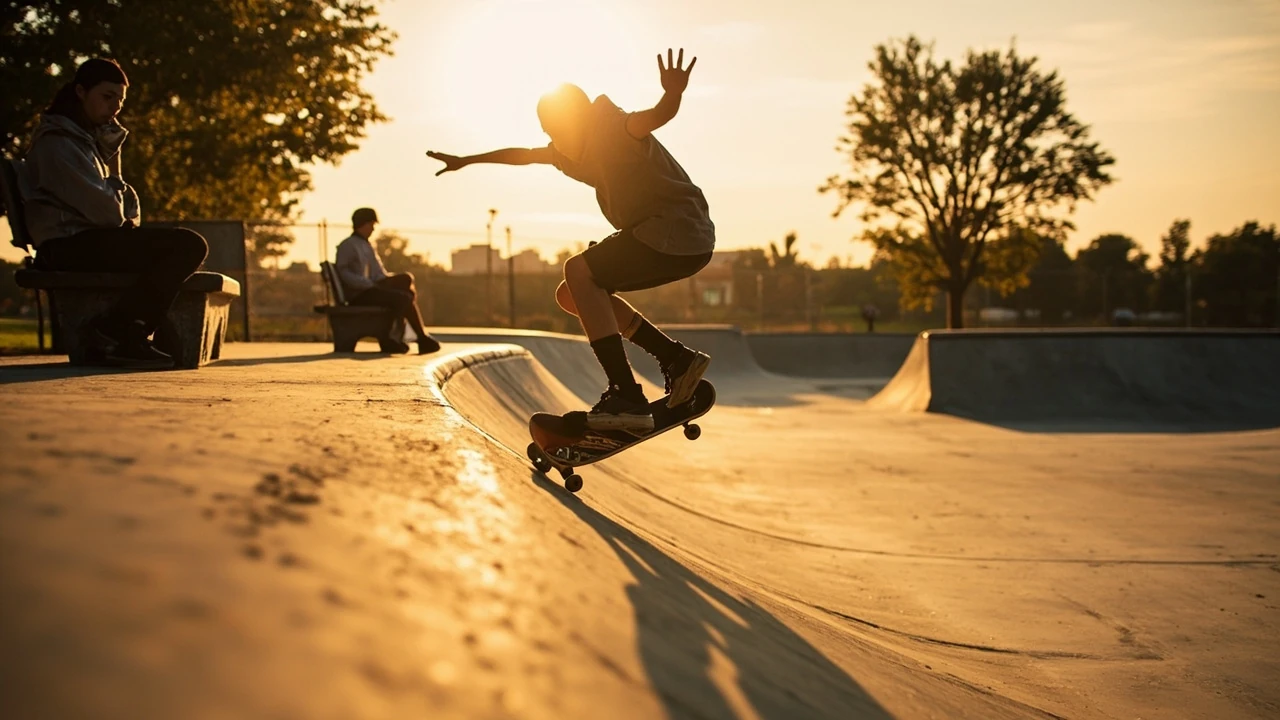
Skate parks near me: how to find, compare, and choose the right one
You open a map app, type skate parks near me, and watch a cluster of pins appear within a 20-minute drive. The real work starts there, because not every pin is a usable park on the day you want to ride. Some are smooth public concrete lots with a deep end and a mellow box. Others are cracked parking-lot DIY builds that flood after rain. A few are private indoor facilities with membership rules, lesson programs, and a tight schedule.
This guide walks through how to filter those pins down to one or two parks that actually match your skill, gear, group, and transport. It focuses on the practical decisions a real rider or parent faces on a weekend: how to read a park’s page, what to verify by phone or in person, and how to plan a session that ends with progress instead of frustration.
What counts as a “skate park” worth driving to
A skate park is a designated area built or surfaced for skateboarding, scooters, BMX, or inline skating. The shape, surface, and obstacles vary widely. Public concrete parks tend to last the longest and handle the most styles. Asphalt or tile parks are often smoother for beginners but harder to repair when they crack. Metal ramps at older parks can be loud and slippery when wet. Indoor parks and private ramps add weather protection and sometimes coaching, but they charge per session or require a membership.
When you search skate parks near me, you are really asking three smaller questions at once: Where is the closest legal place to skate? What kind of riding does it support? and Is it worth the time and fuel today? The rest of this guide breaks each of those questions into steps you can act on.
Start with the right map tools and search terms
Generic map searches often return mixed results: surf shops, skate brands, or street spots shared on social media. A few small adjustments sharpen the list.
- Use specific phrases in the search bar. Try skateparks, skate plaza, BMX track, or wheeled sport facility alongside your city or neighborhood. Local councils often label facilities under “recreation” or “wheeled sports” rather than “skate.”
- Filter by category. Google Maps, Apple Maps, and OpenStreetMap all let you search for “skate park” as a category. OpenStreetMap tags are useful because community editors keep them current.
- Check council websites directly. Many municipal recreation pages list every official park with photos, hours, and rules. A park that does not show up on a council list is often unofficial, seasonal, or recently closed.
- Cross-reference two or three apps. Pin locations vary between services. A park that appears on two of the three major maps is more likely to still be open.
Save the resulting list to your phone before you go. Offline maps are helpful in parks where cell reception drops near concrete bowls.
Quick comparison: park types you will actually find
Before you start driving, it helps to know what type of park you are looking at. The table below summarizes the four types most riders will encounter when searching skate parks near me.
| Park type | Surface and build | Best for | Typical cost | Watch for |
|---|---|---|---|---|
| Public concrete park | Poured or precast concrete, fixed obstacles, open layout | Street, transition, beginner to advanced | Free | Hygiene of ledges, drainage after rain, crowded peak times |
| Public modular park | Metal frame with composite or wood ramps | Street and transition, younger riders | Free | Surface wear, loose hardware, noise limits |
| Private indoor park | Skatelite or similar surface, fixed and movable obstacles | Year-round riding, lessons, scooters | Session fee or membership | Booking rules, helmet requirements, age splits |
| DIY or community-built spot | Wood, concrete, or mixed materials, often on donated land | Local regulars, specific styles | Free or donation | Permission, safety gear, neighbors, weather damage |
If you ride a full setup, the public concrete option will usually be the most versatile. For younger kids on scooters, an indoor park with a smooth floor and low features is often easier to supervise.
Read a park’s page like a checklist
A good park page answers a short list of questions. If any of these are missing, the page is either thin or the park is not well managed, and that matters for your safety and time.
- Hours and lighting. Some parks close at dusk, others stay open until 22:00. Lighting changes the value of an evening session by a lot.
- Surface and obstacles. Look for a photo or a feature list: quarter-pipes, mini-ramp, bowl, ledges, manual pads, stairs, rails. The list tells you what the park rewards.
- Skill zoning. Many modern parks have a beginner area, an intermediate street section, and a deeper bowl. The presence of a beginner zone usually means the park welcomes new riders.
- Rules and signage. Posted rules about helmets, bikes, scooters, glass, and music give you a sense of how the space is run.
- Maintenance schedule. Some councils list inspection dates. A park that has not been inspected in two years is worth a closer look on arrival.
- Parking, transit, water, shade. A park without shade in summer or a water fountain within walking distance is harder to enjoy for a long session.
When any of these are missing, check user reviews on maps or community forums. Look for the same complaint repeated by several riders, since isolated complaints often reflect one bad day.
How to verify the park is open and rideable today
A park on a map is not always a park in real life. Construction, weather, and rule changes can close a site with little notice. Use the following quick checks before you load the car.
- Look for recent photos. Reviews or posts from the last 60 days usually show whether the park is active, under repair, or deserted.
- Check the local skate scene. Skateboarding community groups, subreddits, and Discord servers often post within hours if a park is closed, resurfaced, or hosting an event.
- Call the council or facility. For public parks, the recreation department’s front desk can confirm opening hours and any scheduled work. For private parks, the venue’s voicemail often states closures.
- Read the weather window. Concrete can stay slightly slick for an hour after rain. Asphalt and modular surfaces are unsafe when wet, so plan around the forecast, not just the rain radar.
These checks add ten minutes of planning and often save an hour of driving.
Match the park to your skill and gear
Skill mismatch is the most common reason a session ends badly. The same park that supports a smooth ollie can be discouraging on day one if the ledges are too tall, the transitions too steep, or the bowl too deep. Use the table below to match what you see on the page to what you actually need.
| Rider profile | Look for on the page | Avoid on the page |
|---|---|---|
| Absolute beginner, child or adult | Beginner zone with low banks, flat ground, mellow quarter-pipes under 1.5 m | Bowls deeper than 1.5 m, large stairs, hubbas, gap-to-rail features |
| Returning rider building confidence | Mix of ledges, manual pads, and a mini-ramp in the 1.2 to 1.8 m range | Park marketed as “advanced only” or dominated by steep transitions |
| Street-style intermediate | Varied ledges, manual pads, a 3 to 5 stair, smooth flat ground | Park with a single long bowl and limited street furniture |
| Transition-focused skater | Bowl or pool section, full-pipe or extensions, multiple coping heights | Flat street plaza with no banks or transitions |
| Parent with mixed ages | Visible line of sight from a bench, beginner and intermediate sections, shade | Bowl-heavy parks with little separation from a busy street zone |
If you are a parent, add two more filters: shade in summer and shelter in winter. A bench under a tree or a covered viewing area turns a two-hour session into a comfortable family afternoon.
What good lighting, shade, and amenities look like
Skate parks fail in three predictable ways: glare, heat, and rain. Each one can be anticipated.
- Lighting. Look for poles that are at least 6 m tall and angled toward the ramps. Glare from low lights can hide a coping nick. A park lit only by streetlights on the perimeter is fine for casual riding but not for filming.
- Shade. Trees on the north and west edges of the park give the most relief in the afternoon. Built shade structures are rare in public parks but common at private facilities.
- Water and restrooms. A drinking fountain within 50 m of the ramp area, plus a public restroom that is actually open, makes a long session realistic. If neither exists, plan to bring water and a portable shade.
- Bench and viewing area. A clear sightline from a bench to all obstacles is the single most useful amenity for parents, coaches, and friends taking photos.
Safety checks that take 60 seconds on arrival
Even at a well-managed park, do a quick walk-through before you drop in. Most injuries at skate parks come from avoidable surface and hardware issues.
- Walk the line you plan to ride. Look for cracks wider than a fingernail, loose coping, drainage stains, and missing bolts on ledges.
- Check the deck and flat ground. Gravel, broken glass, and small debris are the most common reasons for an early end to a session. Keep a small broom or brush in your bag for a quick sweep.
- Look at the transitions. Spongy spots on a wooden ramp mean water damage. A black ring at the base of a concrete quarter-pipe can mean a drainage problem.
- Watch the flow for ten minutes. A simple observation tells you which features are crowded, which direction people approach, and whether anyone is calling lines.
- Note the exits and the first-aid box. In indoor parks, staff usually point these out. In public parks, identify the nearest road, gate, and water source.
If a hazard is obvious and significant, take a photo, post it in the local community group, and let the council know. Most councils respond to specific, dated evidence within a few weeks.
Etiquette that makes every park work better
Skate parks are shared by age, style, and skill. The unspoken rules keep the session safe and friendly. They are easy to remember and worth teaching new riders.
- Wait your turn. The person on the obstacle has the right of way. Standing in a landing zone is the fastest way to cause a collision.
- Call your line. A short “going” or “dropping” before you start a run gives everyone a chance to clear the landing.
- Snake in a line, not in a run. Cutting in front of a person mid-line is unsafe and unwelcome at every park.
- Pick up your mess. Energy drink cans, glass, and broken boards are a real hazard. Bring a bag and leave the park cleaner than you found it.
- Respect posted rules. If a park bans bikes or music, the rule usually comes from neighbor complaints, not the council’s preference.
Following these habits is the most reliable way to make a new park feel welcoming on your first visit.
Pairing a skate park with a wider day out
Many people searching skate parks near me are planning a half-day or a full day around the session. A skate park sits well alongside other outdoor activities, especially when transport and food are simple. If you are building a day around riding, it is worth thinking about the structure of the whole day: warm-up, main session, food, recovery, and a backup option if weather or crowds disrupt the plan.
For families, a natural pairing is a skate session in the morning and a ropes course or adventure park in the afternoon, since both share a similar pattern of warm-up, focused activity, and a cooldown walk. Our guide to family rope park rules by age and height pairs well with a skate plan when you have riders of mixed ages. If you are driving in from farther away, our day trip budget planner is a useful reference for fuel, food, and entry fees across the whole day.
What to pack for a skate park session
Packing light but correctly is the difference between an hour and a full afternoon. The list below covers what most riders end up needing.
- Helmet that fits and is less than five years old. Replace it after any significant impact.
- Wrist guards, knee pads, and elbow pads for beginners, returning riders, and anyone working on transition.
- A small backpack with water, a snack, a phone strap, and a basic first-aid kit.
- Spare hardware if you ride a setup with adjustable trucks: a skate tool, spare bushings, an extra bearing, and a small wrench.
- Layered clothing for parks that run cool in the morning and warm by midday.
- Sun protection: sunscreen, a hat for breaks, and polarized sunglasses if you have them.
- Wet-weather option: a packable rain jacket, since concrete parks can be skated briefly after a light shower if the deck is dry.
Families with younger riders can also pack a change of clothes, a small towel, and a portable chair for the viewing area.
Common mistakes when choosing a skate park
Most first-time visitors to a park run into the same handful of issues. They are easy to avoid with a little planning.
- Picking the closest pin without checking the surface. A ten-minute walk to a poorly maintained park is slower than a 25-minute drive to a good one.
- Skipping the rules page. Helmet rules, scooter rules, and session times are the difference between a smooth session and a turned-away group.
- Going at the wrong time. After-school peaks, weekend mornings, and event days are crowded. Midweek late afternoons are often the most productive.
- Forgetting transport. A park that needs a 15-minute walk from a bus stop is not the same as a park with parking next to the ramp.
- Ignoring shade and water. Heat exhaustion ends sessions early, especially for younger riders and beginners.
Adjusting for these points usually makes a new park feel like a familiar one within a couple of visits.
When the closest park is not the right park
Sometimes the answer to skate parks near me is “the closest one is fine for ten minutes but not for a real session.” In that case, expand the search in three ways before giving up.
- Increase the radius gradually. Start with a 15-minute drive, then 30, then 45. Many riders find a better park 10 minutes farther away that they use for the rest of the year.
- Consider two small parks instead of one big one. A 20-minute drive to a beginner-friendly park plus a 30-minute drive to a transition park can serve more riders than one average park.
- Check indoor facilities for winter. Indoor parks are not free, but they are a real option when outdoor surfaces are wet or cold. Many offer a discounted first session or a youth rate.
If none of those options work, look for legal street spots. Plazas with smooth ledges, manual pads, and low stairs can serve as a secondary practice space, although they come with their own rules around security, pedestrians, and local bylaws.
Skate parks, scooters, and shared space
Modern skate parks are designed for multiple wheel sports. Skateboarders, BMX riders, inline skaters, and scooter riders often share the same ramps. The same rules of turn-taking and line-calling apply across all of them. A few parks post group-specific hours, especially for younger scooter riders, which can be useful if you are a parent planning around school hours.
For parents new to the scene, this shared use is one of the most positive parts of the sport. Younger riders often learn from older skaters, and BMX riders will often step in to steady a wobbly first run on a mini-ramp. The park’s rules and the local community do most of the orientation work for you.
Frequently asked questions
How do I find skate parks near me that are actually open?
Search your preferred map app for “skate park” as a category, then check the local council’s recreation page for the same list. Cross-reference at least two sources, look for photos or reviews from the last 60 days, and call the council’s recreation desk for any park whose status is unclear. For private parks, the venue’s own site or social media usually has the most current information.
Are skate parks free to use?
Most public skate parks are free. Private indoor parks usually charge a session fee, often lower for under-18s and for off-peak hours. Memberships are common at larger indoor facilities. The fee structure is usually listed on the venue’s home page or in a booking app.
Do I need to wear a helmet at a skate park?
A helmet is required at most private indoor parks and is strongly recommended at every public park, regardless of local rules. Wrist guards, knee pads, and elbow pads are common for beginners, returning riders, and anyone working on transition. Protective gear is the most reliable way to extend a session and to keep injuries minor when they happen.
What age is appropriate for a public skate park?
Children as young as four can use a beginner area on a scooter, and most public parks welcome young riders with adult supervision. The right park for a child has a clearly visible beginner zone, a low line of features, and shade or seating nearby. Many parks also have age-split sessions or scooter-only hours, which are worth checking on the park’s page.
What should I check before dropping into a new park?
Walk the line you plan to ride first. Look for cracks, loose coping, missing hardware, drainage stains, and any debris on the flat ground. Watch the flow for ten minutes so you can see how riders take turns, and identify the nearest exit and water source before you start. If you spot a serious hazard, take a photo and report it to the council or the park operator.
Can I skateboard when the park is wet?
Concrete can be slightly slick for an hour or so after a light shower, and modular ramps with wood or composite surfaces are unsafe when wet. For most riders, the safe choice is to wait until the surface is fully dry. A small towel and patience are cheaper than a hospital visit.
Are skate parks safe at night?
Parks with proper lighting are usable after dusk and are often quieter than during the day. Parks with no dedicated lighting are harder to read and more exposed. If you ride in the evening, go with at least one other person, bring a light, and let someone know where you are.
Can scooters and BMX share the park with skateboarders?
Yes, in most public parks. The same rules of turn-taking and line-calling apply across all wheel sports. Some parks post scooter-only or BMX-only sessions, which are worth checking if you want a quieter experience. Shared use is part of the culture and is usually well managed by the local community.
How do I report a hazard at a public skate park?
Take a clear photo with the date, note the exact obstacle, and contact the council’s recreation or parks department through the form on their website. Most councils also accept reports by phone. Posting the same issue in a local skate community group raises the visibility and often speeds up the response.
What is the best time of day to use a skate park?
Midweek late afternoons and weekend mornings before 10:00 are usually the quietest. After-school hours, weekends between 12:00 and 16:00, and event days are typically the busiest. The quietest time often gives the cleanest lines for filming, while the busiest time is useful for younger riders who benefit from seeing how others use the park.
Final practical reminder
The most useful answer to skate parks near me is rarely the single closest pin. It is the closest park whose surface, features, and rules match your skill, your gear, and the time you have today. Spend five minutes on a council page and ten minutes reading recent community posts before you drive. Pack water, sun protection, and a basic tool kit. Walk the line before you drop in. Those four habits turn an unfamiliar pin on a map into a session you will want to repeat next weekend.
Related reading
Explore High Ropes Adventure
Trip tools
Essential adventure planning guides
Use these practical guides to compare rope park activities, prepare for a first high ropes day, check a booking, choose suitable footwear and contact the editorial team. Each page links to the relevant live tools and current planning sections.
Latest articles
- How to find national parks near me: a practical local search guide
- Paylater travel: how buy now, pay later works for trip bookings
- Bagsmart Blast Travel Backpack: A Practical Review for Day Trips and Adventure Days
- How to choose an outdoor rocking chair that actually lasts
- Indiana travel advisory map: how to read it before a day trip
- How to plan an outdoor day around a concert stop: a cardi b tickets field guide
- Outdoor sectional sofas: a practical buyer’s guide for patio living
- How amusement parks actually work: rides, safety, and what to expect
- Beis Travel: What the Bag Brand Offers for Outdoor Days
- Adventure park: what it is, what to expect, and how to plan a visit