Overseas adventure travel: how to plan a trip that actually works
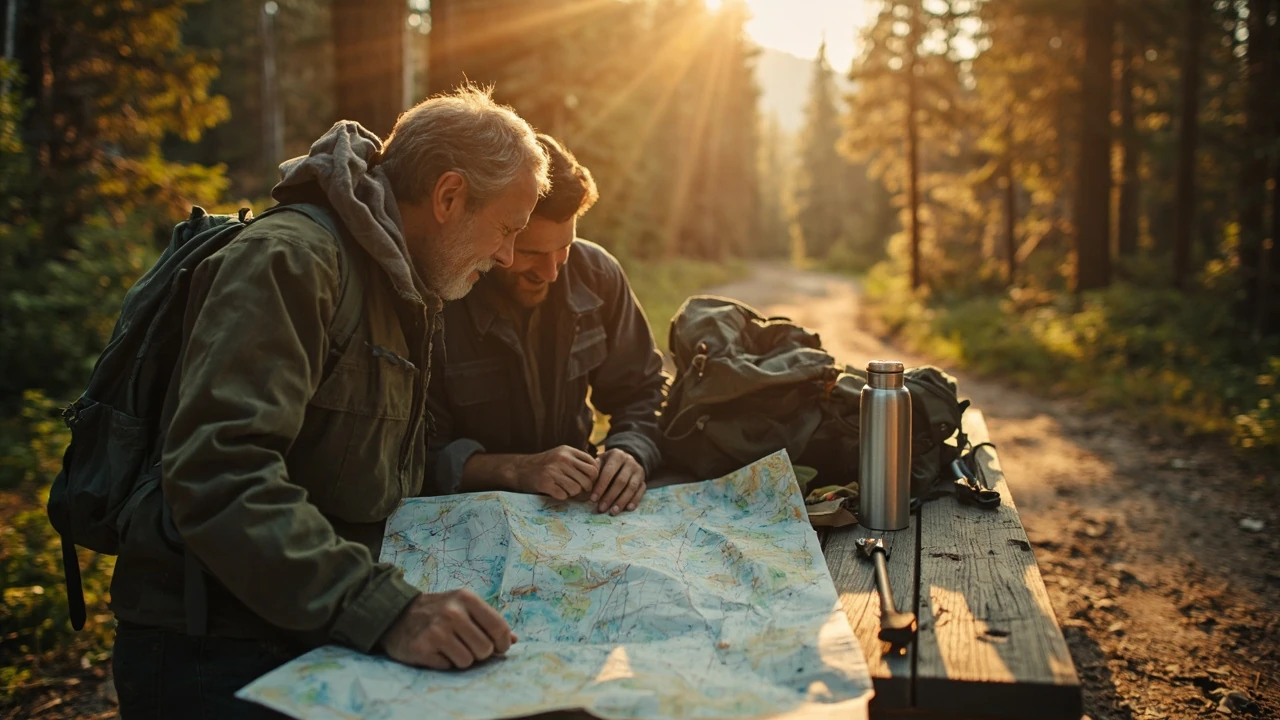
Overseas adventure travel: what it really means and how to start
A traveller from Manchester books a ten-day package that promises canopy walks, a volcano sunrise, and a night in a jungle lodge. The price looks fair, the photos look spectacular, and the operator answers emails quickly. By day three on the ground, the canopy walk uses a harness that the traveller does not trust, the sunrise pickup is two hours late, and the jungle lodge has running water only between six and eight in the morning. The trip is not ruined, but the gap between the brochure and the experience is wide enough to make the traveller wish someone had asked better questions before the deposit went in.
That gap is the real subject of overseas adventure travel. The phrase covers a wide range of experiences, from a long weekend of guided rafting in Slovenia to a multi-week trek across the Annapurna region. What every successful trip has in common is not luck or budget size. It is the set of decisions made before the flight, the gear list, the insurance policy, and the operator’s safety record. This guide walks through those decisions in the order most travellers actually need to make them, so that a trip planned in the next few weeks can be realistic from the first day abroad.
Define your version of overseas adventure travel
Before searching for operators or comparing prices, it helps to write down what kind of overseas adventure travel you want. A couple in their sixties looking for coastal walks in Croatia is planning a very different trip from a group of friends looking for a multi-pitch climbing course in Spain. The flight, the budget, the training, and the gear all flow from this first decision.
One useful exercise is to name the activity, the country or region, the duration, and the intensity in a single sentence. For example, “two weeks of guided hiking and sea-kayak day trips along the Adriatic coast, medium intensity, mostly day hikes.” That sentence becomes a filter for every later choice, including which adventure parks to visit on the way and which to skip.
Pick the region before you pick the operator
Region shapes everything in overseas adventure travel. Climate affects what you pack, visa rules affect how long you can stay, terrain affects training, and local infrastructure affects how independent you can be. Choosing the country first, then the activity, tends to produce a smoother trip than choosing the activity first and forcing it into a region that does not suit it.
Common regions for overseas adventure travel
- European Alps and Pyrenees. Reliable lift access, well-marked trails, strong rescue services, and a wide range of guided and self-guided routes. Higher on-trip cost for food and lifts, lower on logistics.
- Iberian peninsula and Mediterranean coast. Climbing, kayaking, and walking in Portugal, Spain, and southern France. Long season, with summer heat as the main constraint.
- North American mountain west. National parks in the United States and Canada, with permits required for some overnight routes. Logistics are straightforward, but park fees and accommodation can dominate the budget.
- Patagonia and southern Andes. Serious trekking, weather windows that can collapse, and a flight premium. Best suited to travellers with some altitude and weather experience.
- Sub-Saharan and East African safaris. Strong on wildlife, variable on activity intensity, and structured around fixed lodge circuits. Worth comparing against independent options.
- Southeast Asia and Oceania. Densely packed activities, low on-trip cost, and a wide range of operator quality. Research and local reviews matter more than they do in Europe.
Decide how much you want guided
Almost every overseas adventure travel experience falls somewhere on a spectrum from fully independent to fully guided. Each end of that spectrum has costs and trade-offs that deserve a clear comparison before booking.
| Style | Typical cost | What you handle yourself | What works well | What to watch |
|---|---|---|---|---|
| Independent, no guide | Flights, lodging, food, permits | Routing, navigation, safety, gear, food | Repeat travellers with strong local knowledge | Rescue access, language barriers, permit systems |
| Self-guided with logistics support | Trip design, baggage transfer, some meals | Daily routing, weather, pace | Coastal walks, hut-to-hut routes, family trips | Quality of in-country support, what counts as “support” |
| Small-group guided | Guide, transport, often lodging and meals | Personal gear, training, insurance | Remote areas, technical skills, first-time visitors | Group size, guide qualifications, single supplement |
| Private guide or custom trip | Highest, often by the day | Personal goals, training, fitness check | Families, photographers, skill development | Operator vetting, hidden fees, single-guide liability |
For first overseas adventure travel, a small-group guided trip is usually the lowest-risk entry point. For travellers who have done a few trips and want more control, self-guided with a reputable logistics partner often gives the best balance of independence and support.
Set a realistic budget before you book flights
The fastest way to ruin a trip is to lock in flights before budgeting. Flights to popular regions can absorb a quarter to a third of the total trip cost, which means the choice of region quietly determines the rest of the experience. Setting a budget first, then choosing a region that fits it, keeps the trip coherent.
It also helps to split the budget into flights, insurance and visas, accommodation, on-trip transport, activities, food, and a contingency. The contingency is not optional. A reasonable rule for overseas adventure travel is to keep ten to fifteen percent of the trip total unallocated, so that a weather delay, a gear failure, or a missed connection does not force a poor decision on the road.
| Cost line | Typical share of trip budget | Notes |
|---|---|---|
| Flights | 25 to 40 percent | Lower shoulder season, higher for remote regions |
| Insurance and visas | 3 to 8 percent | Activity-specific cover raises this line |
| Accommodation | 15 to 30 percent | Wide range depending on huts versus hotels |
| On-trip transport | 5 to 15 percent | Higher in regions with limited public options |
| Activities and guides | 10 to 30 percent | Dominates on guided or technical trips |
| Food | 5 to 15 percent | Higher in remote regions with limited supply |
| Contingency | 10 to 15 percent | For weather, gear issues, and rebooking |
For a more detailed breakdown of day-to-day spending on a trip that includes adventure activities, the practical day-trip budgeting approach in How to Build a Realistic Day Trip Budget is a useful starting point, even though the totals will be lower for a single day at home.
Insurance is the single most important pre-trip purchase
Standard travel insurance often does not cover technical activities. Activities like canyoning, glacier travel, scuba, or high-altitude trekking frequently sit in an exclusion list, and the fine print changes between insurers. A helicopter rescue from a remote valley in Switzerland can cost more than the trip itself, so the insurance question deserves as much attention as the operator question.
When comparing policies, check five things specifically:
- The exact list of covered activities, including altitude ceilings and dive depths.
- Whether search and rescue, including helicopter evacuation, is included or capped.
- Coverage for trip cancellation caused by medical reasons, family emergency, or civil unrest.
- Coverage for gear loss, including rented technical equipment.
- Whether the policy is valid in the country of travel for the full duration of the stay.
Read the activity list rather than the marketing summary. Insurers that cover “mountaineering up to 6,000 metres” are not necessarily covering guided ice climbing, and a policy that covers “trekking” may still exclude routes described as “expedition”. If the trip includes any structured activity, the operator may also require proof of specific cover before allowing participation.
Vet operators the way a regulator would
Operator quality is the single biggest variable in overseas adventure travel. A good guide turns bad weather into a story. A poor guide turns good weather into a problem. Vetting takes time, but the time is spent before the deposit, not in the field.
Begin with the questions a safety auditor would ask. How long has the company been operating under the current name and ownership. Which local or national association is the operator a member of, and what is the standing. How are guides trained and re-certified, and how often. What is the maximum client to guide ratio, and does it change with conditions. What is the documented procedure for an incident on the route, including communication and evacuation. The answers should be specific. Generic assurances of “safety first” are a signal to look elsewhere.
Independent review sites help, but reviews should be read with a sense of pattern. Look for repeated praise or complaints about the same things, especially around guide behaviour, group size, and how problems were handled. One negative review on its own is rarely a deal-breaker. A pattern of late pickups, missed pickups, or guide substitutions should be.
Quick operator checklist
- Confirm the legal entity and the country of registration.
- Ask for the public liability insurer and policy limit in writing.
- Check whether the company is a member of a recognised industry body for that region.
- Request a sample itinerary with the names of lodging and guide qualifications.
- Confirm group size, and ask whether it is capped or averaged.
- Ask how a day is handled if weather or conditions change the plan.
- Confirm what is included, what is optional, and what is excluded.
- Read the cancellation and refund terms before paying any deposit.
Match the activity to your training, not the other way round
It is common to over- or under-estimate fitness for overseas adventure travel. The first step is to be honest about training. If the planned trip involves five days of walking with a loaded pack at altitude, the relevant question is not whether the traveller can walk a few hours on a Sunday, but whether they can repeat that on consecutive days with elevation.
Most reputable operators publish a fitness or experience grade for each trip. The grade is only useful if the traveller is realistic about their own current level. Where the grade sits in the middle of the range, the trip usually works. Where the traveller sits at the bottom of the range, the trip can be miserable even with a good guide. In that case, the answer is either more training before the trip or a different trip.
Where the trip includes structured activities like a high ropes course or a zip line, it also helps to read the safety system in advance. The zipline safety guide and the ropes courses explained page cover the questions to ask an operator, and the same logic applies abroad as it does at home.
Build a packing list for the actual conditions
Packing for overseas adventure travel is a balance between bringing enough to handle a weather change and keeping the bag light enough to enjoy the trip. The trick is to pack for the worst conditions on the itinerary, not the best. For most regions, that means a waterproof shell, a warm mid-layer, and a base layer that works in a range of temperatures.
For footwear, the right boot is the one that has been worn in, not the one that has just been bought. New boots on a long trip are a known cause of blisters, and blisters on a multi-day route can shorten the trip. A practical approach is to wear the boots on a few long training walks before departure, and to keep a small repair kit in the bag for the field.
For technical activities, the operator usually provides the safety-critical gear, but it is worth confirming the exact list in writing. Where personal gear is required, it should meet a recognised standard, and the standard should match the conditions. A travel insurance policy can also be invalidated by using unlisted equipment on a structured activity.
Core packing list for a typical two-week overseas adventure travel trip
- Waterproof shell jacket and trousers, taped seams preferred.
- Synthetic or merino base layers, two sets.
- Fleece or light insulated mid-layer.
- Walking trousers that dry quickly.
- Worn-in boots with spare laces and a small repair kit.
- Day pack with a rain cover and a bladder or bottles for two litres.
- Headlamp, spare batteries, and a basic first aid kit.
- High SPF sunscreen, sunglasses, and a brimmed hat.
- Compact dry bag for electronics and documents.
- Universal adapter, power bank, and a simple cable kit.
- Copies of passport, insurance, and emergency contacts stored separately from the originals.
Plan the on-trip transport before you arrive
Many overseas adventure travel itineraries look simple on a map and become complex on the ground. A two-hour drive on a printed map can turn into a four-hour journey on a mountain road with a transfer to a local bus. Building the on-trip transport into the plan, rather than leaving it to the day, removes one of the most common causes of stress.
Public transport in many adventure regions is excellent, but it requires a little reading in advance. Rail passes in Europe, regional bus networks in New Zealand, and domestic flights in parts of Africa and South America all have specific booking windows, and missing a connection in a remote region can be expensive. The day-trip comparison in Train or Car for an Outdoor Day Trip? is a useful reminder that the same logic applies to short journeys at home, and the questions about cost, time, and flexibility scale up for longer international travel.
Transport decision points for overseas adventure travel
- From the arrival airport to the first night: pre-booked transfer, taxi, or train.
- Between activities: public bus, hired driver, or self-drive.
- Remote areas: a 4×4 with a local driver, organised by the operator.
- City days on either end: walking plus public transport, with one taxi option as a backup.
- Return to the airport: same options as the arrival, with extra time for weather.
Schedule training that matches the trip
Training is more useful when it is built around the trip, not just general fitness. A good training block for overseas adventure travel focuses on the most demanding day, not the average day. If the hardest day is a six-hour ascent with a loaded pack, the training block should include that pattern at least a few times before departure.
Training is also the right time to test gear. A waterproof jacket that looks fine on a coffee-shop walk can be a disaster in a steady rain. A backpack that feels light in a hallway can rub shoulders on a long day. Testing during training avoids the more expensive lesson in the field.
Where the trip includes technical skills, a short local course before departure is often the most efficient preparation. Climbing gyms, sea-kayak clubs, and outdoor education centres run day and weekend courses that cover the basics. The same providers may also run trips abroad, which can be a useful way to test a guided style before committing to a longer overseas itinerary.
Decide how you will stay connected and safe
Communication is part of safety. A phone that works in the city may not work in the mountains, and a single roaming plan rarely covers every region well. Planning connectivity in advance is more comfortable than discovering the limits on a remote route.
- Check whether the home mobile plan includes the destination country or whether a local eSIM is more cost-effective.
- Carry a small, separate power bank rated for the conditions, including temperature.
- Keep a paper map and a basic compass in the bag, even on a guided trip.
- Share a copy of the itinerary with someone at home, with check-in points.
- Store the operator’s local emergency number and the in-country rescue number separately.
Where the itinerary passes through a region with poor mobile coverage, a satellite messenger or personal locator beacon is a meaningful upgrade. These devices are not just for mountaineers. On a remote trek in Patagonia or a long route in the Scottish Highlands in winter, they are a reasonable part of a standard kit.
Common mistakes in overseas adventure travel
Most problems in overseas adventure travel repeat. Recognising them in advance saves money and time.
Trying to do too many regions in one trip
Adding a second country to a ten-day trip sounds efficient, but in practice it usually means a day lost to a transfer and a higher cost for the same amount of activity. A more focused trip, with extra time in one region, almost always feels better than a rushed tour of two.
Choosing the cheapest operator without comparing cover
Price differences between operators usually reflect differences in group size, guide qualifications, and included services. A low headline price with a small group, an inexperienced guide, and hidden costs on the ground is not cheaper than a higher price with a smaller group, a qualified guide, and a clear inclusion list.
Skipping the altitude conversation
Even on a moderate trip, a day at altitude can flatten energy and affect sleep. Travellers who have not been above two or three thousand metres before can find a three-thousand-metre pass surprisingly hard. Where the itinerary includes altitude, build a rest day, drink more water than feels necessary, and reduce alcohol in the first 48 hours.
Underestimating weather risk
Adventure regions have weather windows, and those windows do not always match the calendar. A good plan B for the worst day, agreed with the operator, is part of the trip, not an admission of failure. The questions to ask an operator about closures and weather decisions are covered in Rope Park Weather: Rain, Wind and Closure Questions to Ask, and the same approach applies to overseas high ropes or canopy parks.
Leaving the family conversation too late
For a family trip, the planning conversation should start months in advance, not weeks. Age, height, and experience rules vary between operators, and the right trip is the one that matches the youngest or least experienced participant, not the average. The family rope park planning guide is written for a single day, but the same age, height, and rule-checking logic helps with a longer family overseas adventure travel itinerary.
Sample two-week overseas adventure travel plan
The plan below is a worked example for travellers who have done a few trips and want a self-guided model with some structure. It uses the Alps, but the same pattern works in other regions. Adjust the altitude, the daily walking time, and the rest day count to match your own level.
| Day | Location | Main activity | Logistics note |
|---|---|---|---|
| 1 | Arrive in Zurich, transfer to Lauterbrunnen | Short walk to stretch legs | Pre-booked transfer, grocery stop in town |
| 2 | Lauterbrunnen valley | Trümmelbach falls and village walk | Local bus and walking |
| 3 | Mürren | Cable car and cliff walk, easy half day | Check weather window before booking lifts |
| 4 | Mannlichen to Kleine Scheidegg | Panorama walk, five to six hours | Train up, walk down, well-marked route |
| 5 | Rest day in Wengen | Optional short walk or pool | Useful for weather and recovery |
| 6 | First to Grindelwald | Transfer and easy valley walk | Public transport, short day |
| 7 | Pfingstegg to Bäregg | Cable car and ridge walk | Check route closure in early season |
| 8 | Grindelwald to Zermatt | Long transfer day, evening walk in Zermatt | Two train changes, book seats in advance |
| 9 | Zermatt | Five Lakes walk, easy half day | Acclimatise, check gear |
| 10 | Gornergrat | Cog railway and ridge walks | Avoid the highest lifts if not acclimatised |
| 11 | Zermatt to Chamonix | Transfer via Martigny, short walk in Chamonix | Allow half a day, no agenda |
| 12 | Chamonix | Aiguille du Midi cable car, walk at altitude | Strong weather window required |
| 13 | Chamonix | Mer de Glace walk or rest day | Mer de Glace steps reopen seasonally |
| 14 | Geneva and home | Transfer, buffer for delays | Even before long flights, a buffer reduces stress |
This pattern keeps daily travel time short, builds in a real rest day, and matches activities to the day’s energy. The same shape, with different activities, is a strong starting point for a kayaking trip in Croatia, a hiking trip in Slovenia, or a family activity trip in the Pyrenees.
A short pre-departure checklist
Two weeks before the flight, the following list should be complete. Anything still open at this point is a risk to the trip.
- Passport valid for the full stay, with blank pages for visas.
- Visas confirmed in writing, where required.
- Insurance documents, including the activity list, saved offline and in the cloud.
- Vaccinations and any required medication checked against the destination.
- Itinerary shared with someone at home, including check-in points.
- Operator confirmations, including group size, guide name, and pickup time.
- Key bookings in writing, with cancellation terms in a single folder.
- Connectivity plan tested, including any eSIM or local SIM.
- Bank notified of travel dates and destinations.
- Gear tested, boots worn in, and a small field repair kit ready.
What to do once you are on the ground
The first 24 hours of a trip set the tone. A short walk, a familiar meal, and a check of the next day’s weather all help the body and the mind arrive. It is tempting to launch straight into the most demanding activity, but a moderate first day almost always leads to a better second day.
Each morning, a five-minute check of the day’s plan, the weather, and the local conditions is enough. The questions to ask an operator about weather, closures, and group decisions are the same as the questions to ask yourself on a self-guided day, and the practice of asking them is the same in a forest near home as in a mountain valley abroad.
Frequently asked questions
What counts as overseas adventure travel?
Overseas adventure travel is any active trip that crosses a national border and includes a physical challenge such as hiking, climbing, kayaking, cycling, or a structured activity like a high ropes course. The challenge can be modest, like a family coastal walk in a different country, or demanding, like a multi-day trek. The shared element is the activity, the international location, and the need for some planning before departure.
How far in advance should I plan an overseas adventure travel trip?
For most regions, three to six months is a comfortable window. That allows time to research operators, train, check visa rules, and book the most popular guides and accommodations. For remote regions with permit systems, like Patagonia or the high Himalayas, twelve months is safer.
Do I need a guide for my first overseas adventure travel trip?
For most first-time travellers, a small-group guided trip is the safest and simplest entry point. The guide handles routing, weather decisions, and local contacts, and the group setting means you are not alone if conditions change. Independent travel is reasonable for experienced travellers, especially on well-marked routes with strong local infrastructure.
How do I choose between two operators offering similar trips?
Compare three things: group size, guide qualifications, and what is included. The cheapest option usually has the largest group, the least experienced guide, or the most exclusions. Ask both operators the same written set of questions, including cancellation terms and the procedure for an incident, and read the answers, not just the brochures.
Is travel insurance enough for high-altitude or technical activities?
Standard travel insurance often excludes technical activities and high-altitude routes. Read the activity list, not the marketing summary, and confirm altitude ceilings and dive depths in writing. For trekking above about 3,500 metres, glacier travel, or any structured activity, a specialist policy is usually required.
How do I keep costs under control on a longer overseas adventure travel trip?
Set a total budget before booking flights, then divide it into flights, insurance and visas, accommodation, transport, activities, food, and a contingency. Use shoulder seasons where the weather still works, choose self-catering accommodation for at least some nights, and confirm what is included in any guided package to avoid paying twice on the ground.
What is the most common mistake first-timers make?
The most common mistake is underestimating the trip and overestimating the day-of flexibility. A common pattern is a single rest day, a full activity list, and a long transfer in the middle. A simpler plan with more rest time and shorter transfers almost always feels better than a packed plan with no margin.
Can I combine overseas adventure travel with a family trip?
Yes, and family trips often work best with a clear age and height plan in advance. Match the trip to the youngest or least experienced member, build in a rest day, and check the operator’s policy on children for any structured activities. Many regions, from the Alps to the Pyrenees, run family-friendly itineraries that mix walking and easy adventure activities.
What is the safest way to try a structured activity abroad for the first time?
Book a half-day or single-day session with a reputable local provider before committing to a longer trip that includes the same activity. The half-day session confirms whether you enjoy the activity, and it also gives you a baseline to compare other operators against for the rest of the trip.
How do I handle a weather day on a longer overseas adventure travel itinerary?
Treat the weather day as part of the plan, not a problem. Use it for a slower walk, a museum or a local food experience, or a transfer between regions. A flexible operator will already have a plan B for the structured days, and a flexible traveller will treat the slow day as part of the trip rather than lost time.
Related reading
Explore High Ropes Adventure
Trip tools
Essential adventure planning guides
Use these practical guides to compare rope park activities, prepare for a first high ropes day, check a booking, choose suitable footwear and contact the editorial team. Each page links to the relevant live tools and current planning sections.
Latest articles
- Overseas adventure travel: how to plan a trip that actually works
- Choosing an outdoor bench that actually lasts
- Lows adventure: how low-ropes courses work and who they suit
- outdoor couch
- United travel bank: how prepaid travel money cards actually work
- National parks in California: a practical guide to choosing your trip
- How to buy chris brown usher tickets without overpaying
- Ariana Grande tickets: how to find real seats, avoid resale traps, and plan the day around the show
- Outdoor fireplace ideas, fuel choices, and safety for a back-garden build
- Raffle tickets for fundraisers and community events