Parks Explained: Types, Rules, and How to Plan a Visit
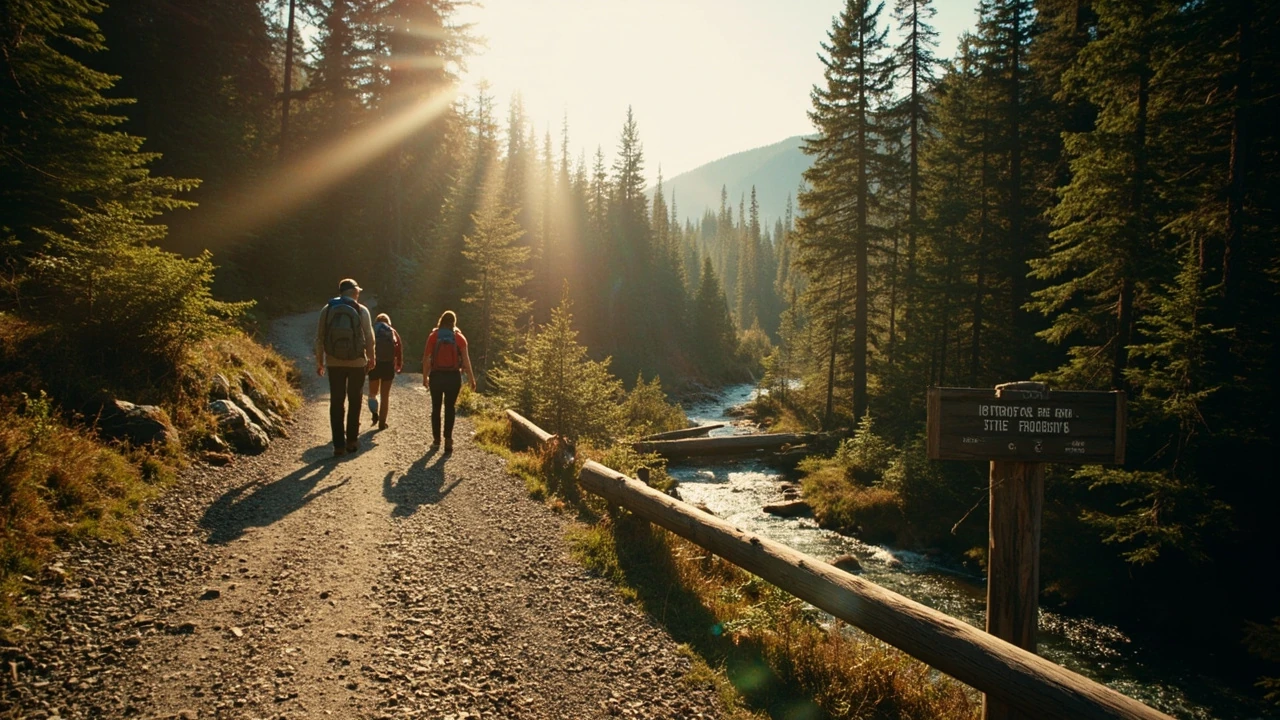
parks
The word “parks” covers a wider range of places than it suggests. A street-corner green with one bench, a 300-hectare forest reserve with a visitor centre, and a ticketed site built around a high ropes course all sit under the same label in English. The difference shows up once you are through the gate: walk, climb, picnic, swim, watch birds, let the children run, or work through a structured activity with provided gear.
Across English-speaking countries, the term usually means any public outdoor space managed for recreation, conservation, or both. A national agency might run one site and enforce strict rules on fires, pets, and overnight stays. A city council might run a different site and lean toward playgrounds, sports fields, and event lawns. A third group sits in the middle: privately operated adventure parks with ropes courses, ziplines, and climbing walls, where you pay for a timed session and use equipment the operator maintains. The wider idea of a park as a piece of open land set aside for public use goes back centuries and still covers most of what people mean by the word.
The main types of parks you will come across
Knowing the category helps you set expectations before you drive to the gate. The list below groups the most common park types in English-speaking countries. It is not a legal classification; it reflects how these spaces are typically managed and what visitors use them for.
- National parks – large protected areas managed for conservation, often with entry fees, marked trails, and a visitor centre.
- State, regional, or provincial parks – medium-sized protected areas run by a sub-national government, usually focused on day use and camping.
- Local or municipal parks – neighbourhood green spaces owned by a city or town, often free, with playgrounds and sports facilities.
- Adventure and rope parks – privately operated sites built around climbing, ziplines, and obstacle courses, with paid sessions and trained instructors.
- Theme and amusement parks – commercially run attractions focused on rides, shows, and food, with high entry fees and long opening hours.
- Nature reserves and wildlife parks – conservation-led areas where protecting habitat is the main purpose, with limited visitor infrastructure.
- Water and marine parks – sites built around a lake, river, or coastline, with swimming, paddling, or boat access as the main draw.
How public parks differ from adventure parks
One common source of confusion when planning a day out is the gap between a public park and an adventure park. Both use the word, but the day looks very different at each.
| Feature | Public parks | Adventure and rope parks |
|---|---|---|
| Owner | Government agency or municipality | Private operator, sometimes a franchise |
| Entry fee | Often free; some charge parking | Per-person session fee, usually timed |
| Main activity | Walking, picnicking, sport, play | Climbing, ziplining, obstacle courses |
| Equipment | Bring your own | Provided and checked by staff |
| Age and height rules | Loose, except for play equipment | Strict, with age, height, and weight tiers |
| Booking | Rarely required | Often required, especially on weekends |
| Weather policy | Open in most conditions | May close in wind, lightning, or heavy rain |
| Typical visit | One to four hours, flexible | Two to three hours per session |
If your group is mostly under twelve, a public park with a good playground is often the better first option. If you want a physical challenge with built-in safety systems, a ropes course inside an adventure park tends to give a more structured day.
What you can usually do in a public park
Public parks are designed for everyday use, which means the rule book is usually short. The list below is a reasonable baseline for most municipal sites in the UK, the US, Canada, Australia, and New Zealand. Local signage or the council website always takes priority, because rules vary by site.
- Walk, jog, or cycle on marked paths and shared trails.
- Picnic on the grass or at a fixed table, often with a small disposable barbecue where local rules allow.
- Use playgrounds, outdoor gyms, and sports courts on a first-come basis.
- Walk dogs on a lead, with most sites providing dog waste bins at the entrances.
- Birdwatch, sketch, or photograph, as long as you stay on paths and do not disturb wildlife.
Restrictions usually focus on a few recurring issues: open fires outside of fixed barbecue stands, alcohol in family-heavy areas, drones above a certain altitude, and amplified music. In sites with sensitive habitats, you may also be asked to keep to boardwalks and not feed animals such as ducks, geese, or squirrels.
How national and state parks actually operate
National and state parks are managed for long-term conservation, so day-to-day rules can be stricter than a city park. The most common controls fall into a few clear areas.
| Area of control | What is usually regulated | Why it matters |
|---|---|---|
| Access | Entry stations, opening hours, seasonal road closures | Protects staff safety and sensitive habitats in winter |
| Wildlife | No feeding, no approaching, no flash photography at nests | Reduces stress on animals and keeps visitors safe |
| Fires and cooking | Designated fire pits only, sometimes a fire ban in summer | Prevents bushfire and ground damage in dry seasons |
| Camping | Booked sites, pitch limits, length of stay caps | Controls wear on the site and spreads impact |
| Activities | Permits for fishing, climbing, off-road driving, commercial tours | Tracks use and funds conservation work |
| Pets | Leads required, some areas dog-free | Protects ground-nesting birds and grazing animals |
The practical impact is that a national park day takes more preparation than a city park visit. You tend to need a map, water, layered clothing, and a realistic plan for what to do if the weather turns. For a longer stay, packing for wet weather is often the difference between a small discomfort and a cut-short trip.
Adventure parks: how a paid session actually works
Adventure and rope parks sit between a public park and a theme park. You pay for a timed session, sign a safety briefing, and use provided equipment. The structure varies by site, but the broad flow is similar in most English-speaking countries.
- Pre-booking – Most sites use online booking with set start times. Weekends and school holidays fill up first.
- Arrival and check-in – You sign a waiver, often online in advance, and confirm age, height, and weight for each participant.
- Gear fitting – Staff issue a harness, helmet, and any safety lines, then check the fit by pulling on the buckles.
- Safety briefing – A short talk covers how the belay system works, what to do if you freeze on a course, and how to signal staff on the ground.
- Course access – You move through marked levels, usually colour-coded, with staff observing from below.
- End of session – Gear is returned, and a debrief may include a photo, a certificate, or a small shop purchase.
Height, age, and weight tiers are the most important detail for families. They are not negotiable on the day, because the equipment is rated for a specific range. A useful way to plan around this is to read the family rules page of the operator before you book, and to be honest about each child’s height in shoes they will actually wear.
How to pick the right park for your group
The best choice depends on the people in your group, the time you have, and the weather. The checklist below walks through the decisions in the order they tend to come up when planning a day out.
- Who is coming? Toddlers, mixed-age families, adult friends, and corporate groups have very different needs.
- How much time do you have? Under three hours favours a local park; a full day can support a national park or a long adventure session.
- What is the energy level? Flat lawns and tarmac paths suit tired legs; hills, ropes, and water suit active groups.
- How is the weather? Wind, rain, and heat change which parks are open and which are safe; always check the operator’s weather page before driving out.
- What is the budget? Free parks exist in nearly every city; paid parks usually charge per person, with small discounts for groups or off-peak sessions.
- Do you need facilities? Toilets, cafés, baby-changing, and shade often decide whether a site works for young children or older relatives.
If you are short on time, a useful shortcut is to filter first by location, then by what you actually want to do. Searching only “parks near me” returns a long list; searching “parks with a playground and toilets near me” narrows it fast.
Safety basics that apply to every park
Every category of park has its own safety logic, but a few principles apply almost everywhere. They are not the whole picture, but skipping them is the most common cause of preventable incidents.
- Read the entry signs and any local rules before you unpack the car.
- Keep children within sight, especially near water, car parks, and play equipment.
- Wear footwear that grips on wet grass, wood chips, or rock; open sandals are a poor choice for trails and obstacle courses.
- Bring enough water for the time you plan to spend, and refill at a known tap rather than a stream unless the site says otherwise.
- Note the exit points and the meeting spot in case mobile signal is poor.
- Follow staff instructions at rope and adventure parks, even if you have done similar courses before.
Adventure parks deserve a slightly tighter list. Before booking, scan the operator’s safety page, look for a recent inspection record, and check the type of belay system in use. A belay system is the set of pulleys, carabiners, and clips that connects a climber to a safety line; our overview of how ropes courses work in practice covers the same details from a visitor’s point of view.
How rules change by country and region
The English-speaking world covers a wide range of climates and legal systems, so park rules are not uniform. The table below is a rough guide, not a legal reference. Always confirm with the local managing authority before you travel, because rules shift with season, ownership, and recent incidents.
| Region | Common system | Typical entry fee | Pets on site |
|---|---|---|---|
| United Kingdom | National Parks, Country Parks, Local Authority parks | Free at point of entry; car park charge common | Usually allowed on leads, some areas dog-free |
| United States | National Park Service, State Parks, City Parks | Federal or state pass, per-vehicle, or per-person | Often allowed on leads, restricted on trails and beaches |
| Canada | Parks Canada, Provincial Parks, Municipal Parks | Free at many sites; day-use fees at busier parks | Allowed on leads in most areas, off-leash zones vary |
| Australia and New Zealand | National Parks state-run, Regional Parks, Council parks | Free or low-cost day pass, vehicle fees in peak | Leads required in many reserves, especially near wildlife |
| Republic of Ireland | National Parks, Forest Parks, Local Authority parks | Free at most sites, parking may be charged | Leads required, dog restrictions in nature reserves |
Planning a day trip to a park: a realistic sequence
A useful park day is mostly a logistics exercise. The list below is a realistic planning order, not a checklist of things to buy. It is the same whether you are heading to a local green space or a national park several hours away.
- Pick the type of park that matches the group and the time you have.
- Check the operator’s website for opening hours, weather policy, and any required booking.
- Read the height, age, and weight rules for each participant if it is an adventure park.
- Decide transport: public rail can be cheaper for a single city park, but a car is usually easier for national or state sites with limited bus routes.
- Pack water, snacks, sunscreen, layers, and a small first-aid kit; review the site’s food and water rules.
- Arrive 15 to 30 minutes before opening to beat the queue, and note the exit time before you start.
- Set a simple meeting point and a rough turnaround time, especially for children and older adults.
- After the visit, log what worked and what did not, so the next park day is easier to plan.
Budgeting for a park day
Park budgets range from effectively zero to a significant day out. The list below shows the categories that usually matter, with a rough sense of where the cost sits in each case. Numbers are deliberately generic, because local prices change quickly and vary by country.
- Entry or parking – Free in most local parks; a small parking fee or pass in many national and state parks.
- Transport – Petrol or rail tickets are usually the largest cost; a realistic day trip budget helps frame the total spend.
- Food and water – Packed food is cheaper and faster; on-site cafés are convenient but rarely cheap.
- Equipment hire – Rope parks include gear; trails rarely do, so good shoes and a daypack matter.
- Extras – Souvenirs, photos, gift shop items, and small upgrades add up, especially with children.
A practical move is to set a per-person cap before you go, and to pay entry, transport, and food from a single envelope or card. That stops small extras from quietly doubling the day’s cost.
Common mistakes when choosing a park
Most park day problems come from a small number of recurring oversights. They are easy to avoid once you know to look for them.
- Picking a site by name rather than by activity, so the group arrives with no real plan.
- Assuming a park is dog-friendly, when the local rules or habitat protection say otherwise.
- Booking an adventure session at peak time without checking the weather, only to have it closed on arrival.
- Underestimating driving time, especially in rural areas where the last stretch is on single-track roads.
- Forgetting that toilets, shade, or shelter may be limited at smaller sites.
- Bringing more kit than the group can carry, which turns a short walk into a chore.
Quick decision guide for a first visit
If you are new to a city, travelling with a mixed-age group, or simply short on time, the table below is a rough shortcut. Match the group profile to the most reliable option, then refine using the operator’s website.
| Group profile | Best first option | Reason |
|---|---|---|
| Toddlers and pre-schoolers | Local park with a fenced playground | Short travel, toilets on site, low cost, easy exit |
| Primary-age children | Adventure or rope park with junior courses | Structured activity, clear height rules, visible safety |
| Teenagers and active adults | High ropes course, zipline, or national park trail | Longer sessions, physical challenge, photo value |
| Older relatives and quieter groups | Municipal park with paths, benches, and a café | Flat ground, seating every few hundred metres, shade |
| Friends on a day out | State or national park with a marked loop walk | Sense of place, photo spots, simple logistics |
| Corporate or large group | Booked adventure park session | Predictable timing, dedicated instructor, on-site food |
How park design shapes the day
Design matters even when you are not thinking about it. A park with wide, flat paths and clear sight lines is friendlier to mixed-age groups than one with steep banks and dense undergrowth. Benches every 200 to 300 metres turn a one-hour walk into a comfortable outing for older relatives. Shaded lawns, water taps, and visible toilets remove most of the small frustrations that end a day early.
Adventure parks are designed around flow. A good site moves groups from check-in to gear-up to briefing without a long wait, and lets slower participants take longer on each course without blocking the line. The number of courses, the height of the highest platform, and the length of the zipline all change the feel of the day more than the price does.
National parks are designed around the landscape, so the visitor experience is shaped by the terrain. A coastal park with cliff-top paths feels very different from a forested river valley, and both are different again from a desert or alpine site. The activity list is the same on paper, but the effort and the kit you need are not.
Frequently asked questions
What is the difference between a park and a garden?
Gardens are usually smaller, designed spaces focused on plants, structure, and display, often with an entry fee and formal paths. Parks are larger, multi-use spaces built for a wider range of activities, including sport, play, and unstructured time. The two terms overlap, but gardens tend to be more curated and parks more open.
Are national parks free to enter?
It depends on the country and the specific site. Many national parks are free at the point of entry but charge for parking, camping, or special permits. Others charge a per-vehicle or per-person fee that funds trail maintenance and visitor centres. Always check the managing authority’s website before you travel.
Can I bring my dog to any park?
No. Local, regional, and national parks each set their own dog rules. Most allow dogs on leads, but some nature reserves and beach areas are dog-free to protect wildlife. Carrying a lead and waste bags is a good baseline wherever you go.
Do I need to book a rope or adventure park in advance?
Usually yes, especially on weekends, school holidays, and during good weather. Most adventure parks run timed sessions with a fixed number of places, and walk-ins are accepted only if the day is quiet. Booking ahead also lets you check height, age, and weight rules in advance.
What should I wear to an adventure park?
Closed-toe shoes with grip, comfortable trousers or leggings, and a top you can move in. Avoid loose scarves, loose hoodies, and large jewellery, because they can catch on equipment. Long hair should be tied back, and a small sweat towel is useful in warm weather.
What happens if it rains on the day of my visit?
Public parks usually stay open in light rain, though some paths can become slippery. Adventure and rope parks close in heavy rain, lightning, or strong wind, and many offer a rebooking option rather than a refund. The site’s weather and closure policy is the best guide for what to expect.
Are parks safe for young children?
Local parks with fenced playgrounds are designed for young children, and a well-run adventure park is safe for the height and age range it allows. The risk comes from sending a child onto a course above their rating, or leaving a toddler unsupervised near water, car parks, or play equipment. Reading the rules on site, not just online, is part of a safe visit.
How long should I plan for a park visit?
For a local park, one to three hours is usually enough. For a state or national park, allow a full day, including travel, a short walk, and a stop for food. For a rope or adventure park, plan two to three hours for the session plus travel and gear return.
Can I have a barbecue or fire in a park?
Only where the site allows. Many municipal parks have fixed barbecue stands that you can use, and national parks usually restrict fires to marked fire pits, often with seasonal bans in dry periods. Bringing a small disposable barbecue into a site that does not allow one is a common reason for a fine.
How do I find a safe adventure park near me?
Start with the operator’s website and look for clear safety pages, a recent inspection record, qualified instructors, and visible course height and weight rules. Third-party reviews and local recommendations are useful, but the safety information should come from the operator. Booking a site that is transparent about its belay system and training is the most reliable shortcut.
Related reading
Explore High Ropes Adventure
Trip tools
Essential adventure planning guides
Use these practical guides to compare rope park activities, prepare for a first high ropes day, check a booking, choose suitable footwear and contact the editorial team. Each page links to the relevant live tools and current planning sections.
Latest articles
- Parks Explained: Types, Rules, and How to Plan a Visit
- Planning a Parks Project: From Site Vision to Built Adventure Space
- How fast do ziplines go? Real speeds and what to expect
- Zipline age requirements: a practical guide for riders and parents
- Outdoor storage for adventure gear: a practical guide
- How to get Metallica Sphere tickets without overpaying
- What Is a Challenge Course Facilitator? Roles, Skills, and Training
- Outdoor storage box: how to choose the right one for your garden
- AAA travel insurance: what it covers and how to use it on a high ropes trip
- Zipline landing positions explained: how to approach, brake, and dismount safely