What to pack for a family ropes course day
What to pack for a family ropes course day
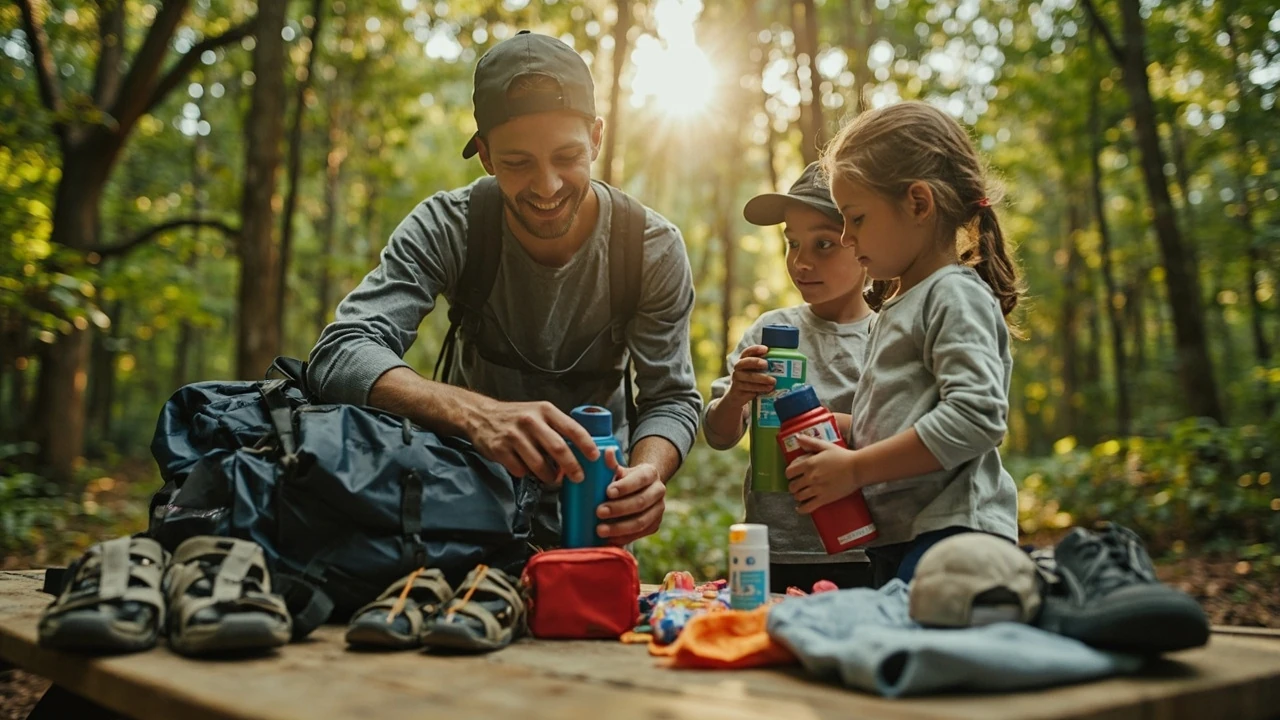
The first time a family drives up to a high ropes park, the car boot is usually a mess of half-empty rucksacks, somebody’s football boots, and a bag of supermarket crisps. By the second visit, most parents realise that the day runs much more smoothly when the kit is chosen around what the course actually asks of you: harness friction, sun exposure, wet ropes, tired legs, and children who suddenly refuse to walk back to the car. This guide covers the practical choices behind what to pack for a family ropes course day, with a focus on safety, comfort, and keeping the group moving without a support vehicle full of spare outfits.
Why packing matters more at a ropes course than at most day trips
A high ropes course combines a few features that push packing lists in unusual directions. The harness sits high on the waist and tightens over whatever you are wearing at the hips. Courses often run through shaded tree canopy, so the temperature on the platform can be ten degrees lower than the car park. Participants spend time waiting their turn, walking between elements, and listening to safety briefings, which means a layer you would happily climb in for twenty minutes can feel wrong after an hour of standing still. Finally, harnesses, helmets, and gloves are usually provided, so the kit you bring has to work with that equipment, not against it.
For a deeper look at the physical structure of a course and how it changes a family’s day, the practical parent’s guide to kids activities at high ropes parks explains how the elements are designed for different ages, and the overview of your first high ropes course: what to expect covers the typical timeline of a first visit.
Start with the rules every operator enforces
Before listing items, it helps to anchor the pack around the rules most operators share. Almost every UK and European high ropes park will refuse entry to participants wearing open-toed shoes, loose jewellery, or scarves, and will ask that long hair is tied back. Many parks will also ask participants to empty their pockets before clipping in. These rules shape the pack in two ways: you need clothing that meets them, and you need a safe place to leave the things you are told to remove.
| Common operator rule | What it means for your pack | How to plan ahead |
|---|---|---|
| Closed-toe, secure footwear only | No sandals, crocs, or loose trainers | Pack one pair per person, already broken in |
| No loose scarves, hood cords, or jewellery | Hood and neck must be clear under the harness | Choose a collarless or zipped top |
| Long hair tied back | Hair can catch in pulleys and webbing | Pack a soft hair tie for every member |
| Empty or zipped pockets | Phones and keys fall from height | Bring a small car-side locker pouch or zipped hip pocket |
| Harnesses over a base layer | Thick coats are uncomfortable and hard to adjust | Wear one thin mid-layer rather than a bulky jacket |
| Helmets must fit over hairstyles | Large bows or thick headbands stop the helmet seating | Skip novelty hair accessories for the day |
Clothing that works with a harness
Clothing is the category where families most often get it wrong, because the kit people wear to a soft play centre or a country walk is rarely the kit that feels right on a high platform. The harness sits on the hips and upper thighs, so any waistband that is too loose will roll or pinch. Sleeves matter because participants often grab the top rope, and a bare arm sliding against rough bark or a steel cable is an under-discussed source of friction burns. Trousers should be flexible, not loose, because excess fabric can catch on stirrups or platform corners.
- Top: a close-fitting short or long-sleeve technical tee, or a light merino base layer, with a thin fleece or zip-up mid-layer in the bag for after the climb.
- Bottom: stretch walking trousers, leggings, or convertible trousers. Avoid jeans on a wet day; they stay heavy and slow drying.
- Socks: mid-height walking socks that sit above the harness strap. Short trainer socks can rub against the leg loop.
- Outer layer: a packable waterproof jacket with elasticated cuffs. Wind on an elevated platform is real, even in July.
- Hat and sunglasses: a cap or visor for belay stations, and sunglasses for the walk between elements. Many parks operate in clear-cut areas with strong midday sun.
Footwear and the friction question
Shoes are the single piece of kit that determines whether a child or adult enjoys the course. They need to grip wooden platforms, stay secure when the heel is lifted on a foot loop, and not slip if the platform is wet from morning dew. Lightweight trail shoes or approach shoes are the usual sweet spot. Heavy hiking boots can be overkill for a two-hour course and tire smaller legs quickly, but completely flat shoes offer too little support when the participant has to step sideways across a wobbly bridge.
| Footwear option | Grip on wet wood | Comfort over 2–3 hours | Suits harness work | Notes for families |
|---|---|---|---|---|
| Trail / approach shoes | Strong | Good | Very good | Best general choice for adults and older kids |
| Light hiking boots | Strong | Moderate | Good | Useful for ankle support on uneven approach paths |
| Running trainers with lugs | Moderate | Good | Good | Acceptable if the outsole has visible tread |
| Road / canvas trainers | Weak on wet surfaces | Good | Acceptable | Not recommended for early-morning or winter bookings |
| Open-toe sandals | Not allowed by most operators | – | – | Bring them in the car for the picnic only |
Food and water: the often underestimated part of the pack
Ropes courses burn more energy than they look like they do. Participants are constantly bracing, lifting their own body weight, and gripping with the forearms. Children also forget to drink when they are focused, which leads to the classic end-of-session headache. The pack needs a balance of slow-release food for the climb itself and quick sugar for the drive home.
- Water: at least 750 ml per adult and 500 ml per child, in refillable bottles. Most parks have a tap or bottle fill station near the meeting point.
- Snacks for the queue: soft fruit, oat bars, or a small sandwich that does not need refrigeration for under two hours.
- Recovery food for afterwards: a flapjack, a banana, or a small bag of salty crisps helps replace what was lost in sweat.
- Avoid: heavy chocolate, very sugary sweets, and anything that needs a knife. The harness compresses the stomach, and a too-large meal can sit badly during the climb.
A practical tip is to keep a small soft pouch for snacks in the backpack, separate from the water bottle pocket, so a child can grab a bar while a parent is busy rethreading a carabiner.
Sun, rain, and midges: building a weather-ready pack
The same ropes course can feel like three different days depending on the weather. Sun and exposure are the bigger issue than most UK families expect because the tree canopy is broken at belay stations, and the wait between elements can be long. Rain is a real possibility from spring through to autumn in most regions, and mosquitoes or midges can turn a calm session into a frantic one near any still water. Rather than packing for one forecast, the pack should be ready for two scenarios.
| Weather scenario | What to add to the pack | What to leave at home | Why it matters |
|---|---|---|---|
| Bright, dry day | Cap, sunglasses, SPF 30+ sunscreen, lip balm | Thick waterproofs | Reflected light off the helmet can burn the nose |
| Warm but breezy | Lightweight wind shell, hair ties, buff | Heavy fleece | Wind chill on an elevated platform surprises first-timers |
| Light rain expected | Packable waterproof, dry bag for phones, spare socks | Cotton hoodie | Cotton stays wet; gloves supplied by the park will slip |
| Midge-heavy evening session | Insect repellent, head net, long-sleeve base layer | Strong perfumed products | Repellent with DEET or picaridin works better than natural oils |
| Cold morning, warming up | Thin base layer, removable fleece, gloves | Single heavy coat | Layers you can shed at the platform keep you comfortable |
Safety items and small essentials
Operators run the safety system, so families do not need to bring helmets, harnesses, or lanyards. The personal safety kit is much smaller, but each item earns its place by solving a specific, predictable problem on a ropes course day.
- Mini first-aid pouch: plasters, a small bandage, antiseptic wipes, and any personal medication such as an inhaler or antihistamine. Keep it in a zipped pocket you can reach without taking the backpack off.
- Sunglasses retainer strap: if any participant wears glasses, a strap prevents them from dropping onto the platform. Several operators will not allow glasses to be worn on certain elements without a strap.
- Spare hair ties: at least one per person with long hair. They snap more often than people expect.
- Spare socks: a single pair per person, kept in a dry bag. Wet socks inside closed shoes are the fastest route to blisters and a miserable drive home.
- Tissues and a small hand sanitiser: harnesses are shared, and the toilet may be a short walk from the briefing area.
For families that want to dig into how operators check safety themselves, the article on zipline safety: what riders and operators actually check is a useful cross-reference, even if the day is more climbing than ziplining.
Phones, cameras, and the electronics question
Many parents want photos of the kids crossing a high element, but most parks either ban loose phones on the course or ask participants to lock them in a car-side locker. The compromise is a small action camera mounted on a wrist strap, a chest harness, or a helmet mount supplied by the park. If the family does bring a phone for the walk between elements, it should live in a sealed dry bag clipped to the backpack, not in a pocket that the harness can press against.
- What to bring: a small action camera with a strap, a power bank if the day is long, and one cable per device.
- What to leave in the car: tablets, drones, and any non-waterproof camera. Drone use is typically banned near adventure parks for safety reasons.
- Useful trick: pack a small dry bag for the post-course picnic so phones stay clean and dry while the family eats.
Packing for different ages in the same group
The hardest part of the day is rarely the climb; it is the differences in pace, appetite, and energy between a six-year-old and a grandparent. The pack should reflect that mix rather than treat every member identically. A small child needs more frequent snacks, more spare layers, and a familiar comfort item such as a small toy for the long car ride. An adult who is less confident on height needs a slightly warmer layer, because anxiety and cold travel together on a belay platform.
| Group member | Extra to add to the shared pack | Why it helps |
|---|---|---|
| Toddler or pre-school non-climber | Small toy, snack pouch, sun hat, pushchair if paths are gravel | They wait the longest; the day must entertain them between turns |
| Primary-aged child | Spare socks, plasters, a wrist camera, refillable bottle | Small cuts and thirst are the two predictable problems |
| Teenager | Power bank, earphones for the drive, light waterproof | They can carry their own layer and enjoy a small amount of autonomy |
| Adult climber | Thin gloves if the park allows them, energy snack, mid-layer | Forearm fatigue and cold at height are the main adult complaints |
| Older relative watching | Folding camp stool, flask, book, sun protection | Spectators stand for long periods on uneven ground |
What to leave at home
Deciding what to leave in the car is as important as deciding what to pack. Items that work on a picnic or a soft-play visit often get in the way at a ropes park. A clear “leave in the boot” list saves a parent from running back to the car mid-briefing.
- Open-toe shoes, flip-flops, and wellies for the climb itself.
- Loose scarves, long hood cords, and dangly earrings.
- Glass bottles, alcohol, and anything that encourages a participant to clip in with a hot drink.
- Heavy handbags and tote bags. The park will usually provide a locker, but space is limited.
- Pet carriers. Most parks do not allow dogs near the climbing area, and they should stay in the car with ventilation.
A core pack checklist you can print
Below is a tight list of items that cover the most common needs on a UK high ropes day. It is designed to fit into one adult-sized daypack with room left for a small picnic blanket.
- 2 x refillable water bottles per adult, 1 per child, plus a shared 1-litre bottle for the picnic.
- Pack of plasters, a small bandage, antiseptic wipes, and any personal medication.
- Light waterproof jacket per person, in a labelled dry bag.
- Thin mid-layer per person, packed even in July.
- One pair of spare socks per person, sealed in a zip bag.
- Sun cream SPF 30+, lip balm, and one cap or visor per person.
- Insect repellent and a small head net if midges are likely.
- Soft snack pouch with oat bars, fruit, and a salty snack.
- Hair ties, a small hairbrush, and a microfibre towel.
- Park tickets, ID, payment card, and a paper map if the area has poor signal.
- Small action camera with strap, plus a power bank and cable.
- Folding picnic blanket, a couple of bin bags for muddy kit, and hand sanitiser.
Planning the wider day around the pack
The pack works best when the wider day is planned around it. A common family pattern is to climb in the morning, eat a late picnic in the car park, and then either head to a short walk or drive home. That structure means the pack does not need to be huge; it only needs to bridge the gap between breakfast and an early dinner. Families that combine a ropes course with another activity, such as a forest walk, should think about how much water and food they really need to carry between the two.
For those thinking about layering a ropes course into a longer weekend, the comparison of forest escapes and focused days out in the woods is a useful companion read, and the budget guide on how to build a realistic day trip budget helps decide where the kit list meets the overall cost of the day.
Common packing mistakes and how to avoid them
Across hundreds of family visits, the same small mistakes tend to repeat. Recognising them in advance saves a parent the awkward mid-briefing trip to the car.
- Too many clothes. A spare base layer is useful; a full second outfit rarely is. The harness compresses the lower body, and a dry mid-layer is what people reach for first.
- Not enough water. Active children drink more than adults expect. A spare litre in the car is cheap insurance.
- Heavy backpacks on the course. A second adult should stay at the base with the bulk of the kit. The person climbing should carry a tiny pouch with phone, water, and a snack.
- Cotton clothing. It absorbs sweat, stays cold, and slows drying. Synthetic or merino layers are kinder over a long session.
- Forgetting the post-clim b change. A plastic bag with a dry T-shirt for the drive home turns a tired child into a happy one.
Adapting the pack to the season
The same family will pack a slightly different bag in March and in August. The structure is the same, but the weights change.
| Season | Add to the core pack | Drop from the core pack | Notes |
|---|---|---|---|
| Spring | Insulating mid-layer, light gloves, beanie | Sun visor | Mornings are cold even when afternoons are warm |
| Summer | Higher-SPF sunscreen, larger water capacity, insect repellent | Heavy mid-layer | Midges are the main late-afternoon risk near water |
| Autumn | Windproof shell, spare socks, thermos of warm drink | Sun cream (unless at altitude) | Wet leaves make platforms slippery; grip matters more |
| Winter | Insulated jacket, gloves, neck gaiter, hand warmers | Short-sleeve tees | Check that the park is open; many UK courses close in January |
A quick decision framework before you leave the house
If a family only has ten minutes to pack, the most useful habit is to walk through the day in order and ask what each transition needs. The drive to the park, the briefing, the climb, the post-climb picnic, and the drive home each have a different weather, energy, and kit profile. A simple mental sequence keeps the bag lean and the day calm.
- Drive: light layer, water, snack for the youngest passenger.
- Briefing: closed shoes on, hair tied, jackets in the car, phones in the locker.
- Climb: small pouch only, water, plasters, a snack if booked in for a long session.
- Picnic: blanket, full water bottles, change of socks, hand sanitiser.
- Drive home: dry T-shirt per child, bin bag for muddy shoes, easy snack.
That sequence is also a good way to involve older children in the pack itself. Once they understand why each item is there, they are more likely to wear the right shoes and to keep the harness over a base layer without being asked twice.
Where packing choices end and operator policy begins
A good pack solves personal comfort, family logistics, and small emergencies. It does not replace the safety equipment or briefings the operator is responsible for. Parents should still expect to listen to a full safety talk, to follow the harness checks run by staff, and to keep younger children in arm’s reach on the ground. The pack simply removes the friction that gets in the way of a calm, focused day on the course. When the kit is right, the family is free to think about the climb, the view, and the small victory of finishing a high element together.
Final reminder before you zip the bag
Before the car door closes, run through this short list. It is the trimmed version of everything above and works for most UK and central-European high ropes parks in any season.
- Closed-toe shoes with good tread for every climber.
- One thin base layer, one removable mid-layer per person.
- Packable waterproof and a dry bag for phones and keys.
- 750 ml of water per adult and 500 ml per child, plus a refill plan.
- Soft snacks for the queue and recovery food for afterwards.
- Plasters, hair ties, spare socks, and personal medication in a small pouch.
- Sun protection in summer, gloves and a buff in winter.
- Park tickets, ID, and payment card in a zipped pocket that does not go on the course.
A ropes course day is short, physical, and surprisingly emotional for first-time families. A well-considered pack does not make the experience; it gives the family the headspace to actually enjoy it. Take ten minutes before the drive, lay the kit on the kitchen table, and pack once, slowly, with everyone watching. By the time the car pulls into the car park, the bag will be the last thing on anyone’s mind, and that is exactly the point.
Frequently asked questions
Should we bring our own helmet or harness to a ropes course?
No. Operators supply helmets, harnesses, and the safety system, and they inspect that kit daily. Personal helmets rarely meet the operator’s certification and are usually not allowed on the course. Bring only the personal items the operator asks for, which is normally closed-toe shoes and a willingness to empty your pockets.
What is the best bag to carry on a family ropes course day?
A 20 to 30-litre daypack is plenty for one adult and one child. For larger families, two daypacks work better than one large rucksack, because the climber on the course should only carry a small pouch. Look for a bag with a hip belt, a side water-bottle pocket, and a built-in rain cover, or at least room to stash a packable waterproof.
How much water should a child bring to a ropes course?
A useful starting point is 500 ml for a primary-aged child and 750 ml for a teenager, plus access to a refill point. Children often forget to drink when they are focused on the climb, so offering small sips between elements usually works better than waiting until they ask.
Can we take phones onto the course for photos?
Most parks do not allow loose phones on the elements because a dropped phone is a safety hazard. The usual compromise is a wrist-mounted action camera or a chest harness for the camera, with the phone locked in a car-side locker. Check the operator’s policy before you arrive, as it varies by site.
What should we do if the weather forecast changes the night before?
Repack the bag around two scenarios rather than one. Move the waterproofs to the top of the pack, add a warm layer for every climber, and pack a dry bag for a possible wet walk back to the car. If the forecast is genuinely poor, contact the operator; many UK parks will reschedule for a small fee or a voucher rather than push on in unsafe conditions.
Is it worth bringing snacks, or does the park have food?
Most parks have a small café, but queues can be long and the choice is limited. A small soft pouch with oat bars, fruit, and a salty snack covers the gap between elements and avoids a post-climb meltdown in a hungry child. A flask of warm drink is a nice touch in cooler months.
How do we pack for a ropes course when a grandparent is coming too?
Older spectators need comfort for long periods of standing. Add a folding camp stool, a flask, a book or tablet, sun protection, and a light folding umbrella. They will often be the unofficial photographer, so a power bank and a small dry bag for the phone or compact camera make the day easier for everyone.
Are gloves useful, and can we bring our own?
Some operators supply thin work gloves for the top rope, and a few allow you to bring your own. Leather or heavy rigger’s gloves are usually too thick and reduce grip. If the park allows personal gloves, choose a thin pair with a silicone palm, similar to a gym or cycling glove. Otherwise, rely on the park’s issue and pack a hand warmer for the wait between elements.
What should we pack for a ropes course with a toddler who is not climbing?
Treat the toddler as a spectator, not a climber. Bring a pushchair if the ground is uneven, a small toy and snack pouch, sun protection, a change of clothes, and a familiar comfort item for the long wait. Plan at least one short break away from the course, such as a feed in the car, so the rest of the family can keep moving without managing a tired toddler at the same time.
How do we keep the kit clean and dry on the drive home?
Pack a couple of strong bin bags and a roll of tape. Muddy shoes go straight into a bin bag, damp jackets into a second bag, and a dry T-shirt for each child sits on top, ready for the drive. A small hand-held vacuum in the boot is a popular upgrade for families that visit adventure parks regularly, and a microfibre towel wipes down harnesses and helmets that are being returned to the park.
Related reading
Explore High Ropes Adventure
Trip tools
Essential adventure planning guides
Use these practical guides to compare rope park activities, prepare for a first high ropes day, check a booking, choose suitable footwear and contact the editorial team. Each page links to the relevant live tools and current planning sections.
Latest articles
- Sweet tart ropes: what the flavour means in a ropes course
- Demon Slayer movie tickets: how to find a screening and prepare for a day out
- How to choose NBA tickets without overpaying
- Time travel movies worth watching on a slow weekend
- Overseas adventure travel: how to plan a trip that actually works
- Choosing an outdoor bench that actually lasts
- Lows adventure: how low-ropes courses work and who they suit
- outdoor couch
- United travel bank: how prepaid travel money cards actually work
- National parks in California: a practical guide to choosing your trip